Top Rated Documentary Movies on Tub Tv - Page 370
All Services
Free Services
 Netflix
 Amazon Prime Video
 Apple iTunes
 Apple TV Plus
 Disney Plus
 Google Play Movies
 Paramount Plus
 Hulu
Hulu
 HBO Max
 YouTube
 fuboTV
 Peacock
 Peacock Premium
 Amazon Video
 The Roku Channel
 AMC+
AMC on Demand
AMC+
AMC on Demand
 Kocowa
 Hoopla
 The CW
 Vudu
Vudu
 Starz
Starz
 Showtime
 PBS
PBS
 Pantaflix
 FXNow
FXNow
 Tubi TV
 Kanopy
 Comedy Central
 Crunchyroll
 Microsoft Store
 Redbox
 Sun Nxt
 ABC
ABC
 DIRECTV
 Crackle
 Fandor
 Plex
Plex
Netflix
Amazon Prime Video
Apple iTunes
Apple TV Plus
Disney Plus
Google Play Movies
Paramount Plus
Hulu
HBO Max
YouTube
fuboTV
Peacock
Peacock Premium
Amazon Video
The Roku Channel
AMC+
AMC on Demand
Kocowa
Hoopla
The CW
Vudu
Starz
Showtime
PBS
Pantaflix
FXNow
Tubi TV
Kanopy
Comedy Central
Crunchyroll
Microsoft Store
Redbox
Sun Nxt
ABC
DIRECTV
Crackle
Fandor
Plex

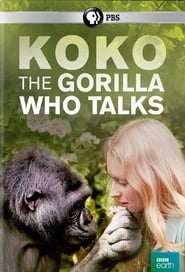
Koko: The Gorilla Who Talks to People
2016
star 7.6Documentary telling the extraordinary story of Koko, the only 'talking' gorilla in the world, and her lifelong relationship with Penny Patterson. Project Koko started as a PhD project to teach sign language to a baby gorilla, but as Koko began to communicate with Penny, an intense bond formed between them. Penny has now been with Koko for over 40 years and claims Koko can reveal fresh insights into the workings of an animal's mind. Koko's unique life with Penny has been filmed every step of the way. Over 2,000 hours of footage chart the most dramatic moments - Penny's battle to keep Koko from being taken back to the zoo in which she was born, Penny's clash with academic critics who doubted her claims and the image of Koko mourning the death of her kitten.The Magic Sun
1966
The Magic Sun
1966
star 6Multi-faceted artist Phil Niblock captures a brief moment of an interstellar communication by the Arkestra in their prime. Black turns white in a so-called negative post-process, while Niblock's camera focuses on microscopic details of hands, bodies and instruments. A brilliant tribute to the Sun King by another brilliant supra-planetary sovereign. (Eye of Sound)KidPoker
2015
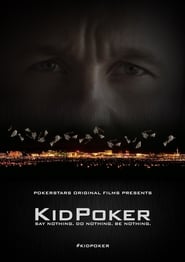
KidPoker
2015
star 6.9Follow the winding career and personal life of professional poker phenom Daniel Negreanu, who rose from humble roots to become the game's top ace.Politics, Instructions Manual
2016
star 7In 2015, a new spanish political party, named Podemos, made history by becoming the third force of the parliament, just two years after its creation. This is how it happened.The Freedom to Marry
2016
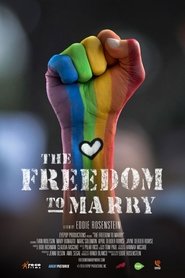
The Freedom to Marry
2016
star 5.1A documentary about the same-sex marriage movement, from the final frenetic months of the legal and grassroots campaign.Brexit: The Movie
2016
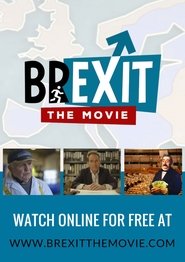
Brexit: The Movie
2016
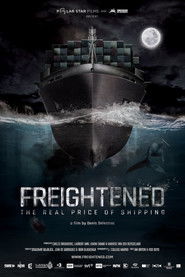
star 5.8A feature-length documentary to show why Britain should vote to LEAVE the EU - and would thrive outside of it. Brexit: The Movie spells out the danger of staying part of the EU. Is it safe to give a remote government beyond our control the power to make laws? Is it safe to tie ourselves to countries which are close to financial ruin, drifting towards scary political extremism, and suffering long-term, self-inflicted economic decline?Freightened: The Real Price of Shipping
2016
star 7.6In an audacious investigation, Freightened will reveal the mechanics and perils of freight shipment; an all-but-visible industry that holds the key to our economy, our environment and the very model of our civilisation.Aliens: The Big Think
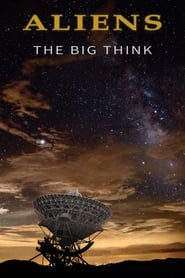
2016
star 6.9The hunt for aliens is on! After a distinguished career in cosmology Professor Martin Rees, the astronomer royal, has taken up the search for extra-terrestrials. Looking for aliens is no longer science fiction - it is a question that's engaging some of the greatest minds in science. As our knowledge of the universe has increased, we're getting closer to answers. Many scientists now think we live in galaxy with a billion Earth-like planets, many of which may be teeming with life. But what kind of life? Has anything evolved into beings we could communicate with? This film gets inside the minds of the scientists considering one of the most exciting and profound questions we can ask - are we alone in the universe? Professor Rees thinks we may have our idea of what an alien is like all wrong. If he's right, it's not organic extra-terrestrials we should look for, it's machines.Winston Churchill: A Giant in the Century
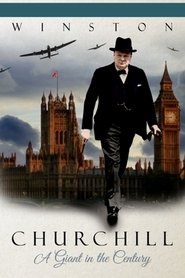
2014
star 8A new look at the public and private life of one of the most important statesmen in the history of Europe: Winston Churchill (1874-1965), soldier, politician, writer, painter, leader of his country in the darkest hours, winner of the Nobel Prize in Literature, a myth, a giant of the 20th century.Batrachian's Ballad
2016
Batrachian's Ballad
2016
star 6.5“Once upon a time, before people came along, all the creatures were free and able to be with one another”, narrates the voiceover. “All the animals danced together and were immeasurably happy. There was only one who wasn’t invited to the celebration – the frog. In his rage about the injustice, he committed suicide.” Something Romani and frogs have in common is that they will never be unseen, or stay unnoticed. In her film, young director Leonor Teles weaves the life circumstance of Romani in Portugal today with the recollections of a yesterday. Anything but a passive observer, Teles consciously decides to participate and take up position. As a third pillar, she establishes an active applied performance art that becomes integrated in the cinematic narrative. Thereby transforming “once upon a time” into “there is”. “Afterwards, nothing will be as it was and the melody of life will have changed”, explains a voice off-camera. Golden Bear for BestDown to Earth
2016
Down to Earth
2016
star 7.3Breaking away from convention, this family went on a five year journey to find a new perspective on life. Their life with tribal communities around the world has led to a thought-provoking cinematic experience of ancient, earthly wisdom.Los Punks: We Are All We Have
2016
star 5.8Los Punks: We Are All We Have is an intimate documentary about the teens and young adults who find meaning in the thriving punk rock scene in the backyards of South Central and East Los Angeles.Market Day in Bitola
1905
Believeland
2016
Believeland
2016
star 5.9The Drive. The Fumble. The Shot. The Decision. José Mesa. And so it goes for Cleveland sports fans. BELIEVELAND attempts to explain the masochistic devotion many Browns, Indians, and Cavs fans have when it comes to cheering for teams that continue to break our hearts. Including interviews with ghosts of sports heroes past, current Cleveland personalities, and many of the very fanatics that keep taking their licks, BELIEVELAND is like group therapy where the patients are the ones asking “why, Why, WHY!” Only true Clevelanders can understand our love for our city, our loyalty to our teams, and the mentality that hungers for more even though it’s been 50 years since our last championship. And that’s because one day–one day–we’ll be able to say, “I told you so” to everyone who refuses to believe.Seven Reeds, One Dress
1948
star 6A short documentary on the production of rayon, shot in Torviscosa (Italy). It portrays the production of this new synthetic fabric in the small town of Torviscosa, entirely built following strict fascist canons.The Million Dollar Duck
2016
star 6.5Six artists from different walks of life vie to win the Federal Duck Stamp Contest, the only juried art competition sponsored by the U.S. government.Impression of a War
2015
Impression of a War
2015
star 5.9For over 70 years Colombia has been subject to an internal armed conflict whose demarcation lines seem to have become blurred over time. An insidious creeping violence has gradually pervaded the whole of society. Impossible as it is to tell this story in one unified narrative, the history behind this violence seems to take form through a multitude of traces.Récréations
1993
Récréations
1993
star 6.7As French kindergarteners pour forth for recess, play takes on epic proportions. In every corner, some miniature drama is unfolding. Violence, love, jealousy, treachery are all here! This is human society in the making.The Dreamed Ones
2016
The Dreamed Ones
2016
star 8.2It’s not uncommon for a film to have a moving love story at its core. Yet this particular set-up is unusual. The lovers here are Ingeborg Bachmann and Paul Celan, both important representatives of post-war German-language poetry. The story of the relationship between the Austrian and the Jew from Czernowitz is told through their nearly 20-year correspondence (1948–1967). Or, more precisely, by a young woman and a young man reading from their letters in a studio in Vienna’s venerable Funkhaus.