Top Rated Documentary Movies on Tub Tv - Page 381
All Services
Free Services
 Netflix
 Amazon Prime Video
 Apple iTunes
 Apple TV Plus
 Disney Plus
 Google Play Movies
 Paramount Plus
 Hulu
Hulu
 HBO Max
 YouTube
 fuboTV
 Peacock
 Peacock Premium
 Amazon Video
 The Roku Channel
 AMC+
AMC on Demand
AMC+
AMC on Demand
 Kocowa
 Hoopla
 The CW
 Vudu
Vudu
 Starz
Starz
 Showtime
 PBS
PBS
 Pantaflix
 FXNow
FXNow
 Tubi TV
 Kanopy
 Comedy Central
 Crunchyroll
 Microsoft Store
 Redbox
 Sun Nxt
 ABC
ABC
 DIRECTV
 Crackle
 Fandor
 Plex
Plex
Netflix
Amazon Prime Video
Apple iTunes
Apple TV Plus
Disney Plus
Google Play Movies
Paramount Plus
Hulu
HBO Max
YouTube
fuboTV
Peacock
Peacock Premium
Amazon Video
The Roku Channel
AMC+
AMC on Demand
Kocowa
Hoopla
The CW
Vudu
Starz
Showtime
PBS
Pantaflix
FXNow
Tubi TV
Kanopy
Comedy Central
Crunchyroll
Microsoft Store
Redbox
Sun Nxt
ABC
DIRECTV
Crackle
Fandor
Plex

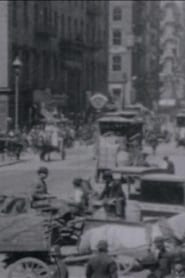
Starting a Skyscraper
1902
star 4.4Taken in the immense excavation for the foundation of the new Macy building at the corner of Broadway and 34th Street, New York.Images of Ostend
1929
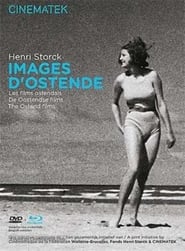
Images of Ostend
1929
star 6.9Structured in visual chapters: the port, anchors, the wind, the spray, the dunes, the North Sea… A series of images that need no anecdote or explanation. Storck offers a glimpse of Ostend, aspects that order its multiple constitutive elements; The water, the sand, the waves, vital cinematic language displayed in simple pictures. A poetic and kinetic shock, without fiction or sound, which relieves film from its narrative obligation and restores it to the world of sensations that it can alone carry.The Open Road
1926
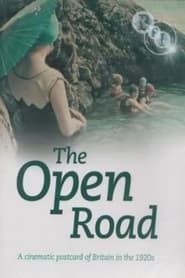
The Open Road
1926
star 6.7In the summer of 1924 Claude Friese-Greene, a pioneer of colour cinematography, set out from Cornwall with the aim of recording life on the road between Land’s End and John O’Groats. Entitled The Open Road, his remarkable travelogue was conceived as a series of shorts, 26 episodes in all, to be shown weekly at the cinema. The result is a fascinating portrait of inter-war Britain, in which town and country, people and landscapes are captured as never before, in a truly unique and rich colour palette.Inflation
1928
Inflation
1928
star 6.2Inflation (1928) is an experimental silent film at eight minutes which is sometimes categorized as a documentary. By now Richter is well beyond playing with light & shadow. Inflation explores the subject of money through photographs & with with stop motion animation techniques, adding faces of people impoverished & enriched by the unpredictability of finance. It functions almost as a political cartoon in motion, building to a chaotic & catastrophic climax.Mounted Police Charge
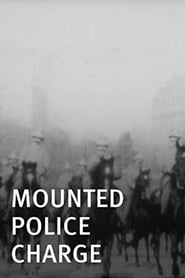
1896
star 3.4"A battalion of New York's famous mounted police at inspection. They approach at break-neck gallop." - from the Edison CatalogMechanics of the Brain
1926
star 4.6"Though not given a New York showing until 1935, V. I. Pudovkin's Mechanics of the Brain (Mekhanika Golovnovo Mozga) was written and directed by Pudovkin in 1926. A full year in the making, this scientific documentary concentrates on the behavioral studies conducted by Prof. Ivan Pavlov. The laboratory dogs used in Pavlov's research don't seem too happy about it, and as a result this film might be hard to take for the more sensitive viewers (the vivisection sequence is particularly rough). The progress of the research is detailed with charts and graphs, hardly the "cinematic" touches one might expect from Pudovkin. Interestingly, Mechanics of the Brains was released two years before the results of Pavlov's studies were printed in book form."The Mistral
1966
The Mistral
1966
star 7.2Dutch documentary filmmaker Joris Ivens follows the course of the famous wind as it originates in the Alps and finds its way to the Mediterranean Sea. Natural sounds and creative camera work provide a mood film showing the effect of the fury of the wind on the life of southern France.'Rear Window' Ethics: Remembering and Restoring a Hitchcock Classic
2001
star 7.3A documentary about Alfred Hitchcock's classic 1954 film Rear Window.The Trials of Ted Haggard
2009
star 4.3A documentary by Alexandra Pelosi takes a behind-the-scenes look at a recent life and hard times of ex-minister, Pastor Ted. Ted Haggard had it all: prosperity, a doting wife, five kids- and a ministry that reached out to approx 30 million followers who counted on his every word, whether on TV or in person at one of his arena sermons. In 2006, it all fell apart when Pastor Ted admitted to having sex with a male prostitute and to buying methamphetamines. He was exiled from his church and home in Colorado and became a pariah who now makes ends meet as a traveling insurance salesman.The Devil's Toy
1966
The Devil's Toy
1966
star 6.3This short 1966 documentary dedicated "to all victims of intolerance” depicts the dawn of skateboarding in Montreal. A new activity frowned upon by police and adults, skateboarding gave youngsters a thrilling sensation of speed and freedom. This film - the first Canadian documentary ever made about the sport - captures the exuberance of boys and girls having the time of their lives in free-wheeling downhill locomotion. Jutra's 1966 mockumentary film The Devil's Toy (Rouli-roulant), is a faux-anti-skateboarding propaganda film.The Private Life of the Gannets
1934
star 6A 1934 GB production that was picked up in 1937 by Educational for 20th Century Fox distribution about the gannet, a beautiful white and exceedingly graceful bird deemed the best fisherman in the world, that inhabits a small rocky island off the coast of Wales. The film won the 1938 Academy Award for Best Short Subject (One-Reel).The Ten-Year Lunch
1987
The Ten-Year Lunch
1987
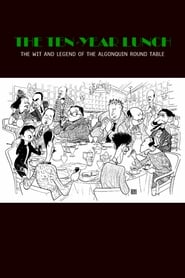
star 6.5The story of the legendary wits who lunched daily at the Algonquin Hotel in New York City during the 1920s. The core of the so-called Round Table group included short story and poetry writer Dorothy Parker; comic actor and writer Robert Benchley; The New Yorker founder Harold Ross; columnist and social reformer Heywood Broun; critic Alexander Woollcott; and playwrights George S. Kaufman, Marc Connelly, Edna Ferber and Robert Sherwood.Spider-Man Tech
2007
Spider-Man Tech
2007
star 7.7This documentary discuss all the laws of physics , genetic biology and reflexis which Peter Parker (Spiderman) uses and how he become so powerful dispite of having comparatively weak body.The Ghosts in Our Machine
2013
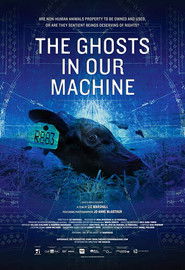
star 7Through the heart and photographic lens of international photographer Jo-Anne McArthur, we become intimately familiar with a cast of non-human animals. The film follows Jo-Anne over the course of a year as she photographs several animal stories in parts of Canada, the U.S. and in Europe. Each story is a window into global animal industries: Food, Fashion, Entertainment and Research.Rough Sea
1900
The Olympic Elk
1952
The Olympic Elk
1952
star 8.1Join the majestic Olympic elk as they traverse the alpine path from their winter home in the lowland shadow of Washington's Mount Olympus, to the fertile grazing grounds of its towering peaks.Venus Boyz
2002
Venus Boyz
2002
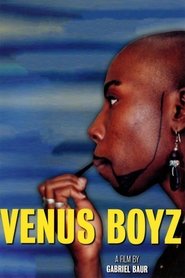
star 5.9This intimate look into the real world of drag kings -- women exploring their masculinity -- crosses continents, traveling through drag king nightclubs from New York to London.The Great Hip Hop Hoax
2013
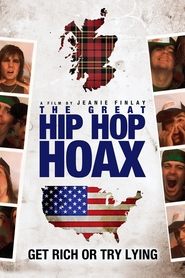
star 6.3Scottish rappers Billy Boyd and Gavin Bain reinvent themselves as West Coast Homeboys after they were signed by Sony.