Top Rated Documentary Movies on Tub Tv - Page 386
All Services
Free Services
 Netflix
 Amazon Prime Video
 Apple iTunes
 Apple TV Plus
 Disney Plus
 Google Play Movies
 Paramount Plus
 Hulu
Hulu
 HBO Max
 YouTube
 fuboTV
 Peacock
 Peacock Premium
 Amazon Video
 The Roku Channel
 AMC+
AMC on Demand
AMC+
AMC on Demand
 Kocowa
 Hoopla
 The CW
 Vudu
Vudu
 Starz
Starz
 Showtime
 PBS
PBS
 Pantaflix
 FXNow
FXNow
 Tubi TV
 Kanopy
 Comedy Central
 Crunchyroll
 Microsoft Store
 Redbox
 Sun Nxt
 ABC
ABC
 DIRECTV
 Crackle
 Fandor
 Plex
Plex
Netflix
Amazon Prime Video
Apple iTunes
Apple TV Plus
Disney Plus
Google Play Movies
Paramount Plus
Hulu
HBO Max
YouTube
fuboTV
Peacock
Peacock Premium
Amazon Video
The Roku Channel
AMC+
AMC on Demand
Kocowa
Hoopla
The CW
Vudu
Starz
Showtime
PBS
Pantaflix
FXNow
Tubi TV
Kanopy
Comedy Central
Crunchyroll
Microsoft Store
Redbox
Sun Nxt
ABC
DIRECTV
Crackle
Fandor
Plex

Handsworth Songs
1986
Handsworth Songs
1986
star 5.5The Black Audio Film Collective’s acclaimed essay film, 'Handsworth Songs', examines the 1985 race riots in Handsworth and London. Interweaving archival photographs, newsreel clips, and home movie footage, the film is both an exploration of documentary aesthetics and a broad meditation social and cultural oppression through Britain’s intertwined narratives of racism and economic decline.McConkey
2013
McConkey
2013
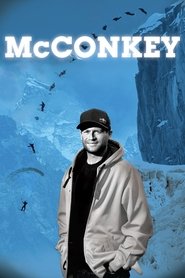
star 7“McConkey,” a 90-minute documentary to be released in 2013, is a heartfelt examination of the legacy one athlete left to the progression of his sports, and the path he paved to conquer his dreams. Shane McConkey is revered as the pioneer of freeskiing and ski base jumping, and through his talent and unique outlook on life, he inspired countless lives. In a new film from Red Bull Media House in association with Matchstick Productions, “McConkey” celebrates the life of one of the world’s ultimate innovatorsChanging Landscapes
1964
Changing Landscapes
1964
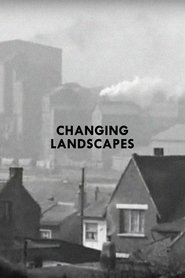
star 7.4A sophisticated and beautifully constructed account of landscape change in and around Paris in the early 1960s. The film raises complex issues about the meaning and experience of modern landscapes and the enigmatic characteristics of features such as canals, pylons and deserted factories. Rohmer also explores the role of landscape within different traditions of modern art and design and refers to specific architects, artists and engineers.Is It Easy to Be Young?
1986
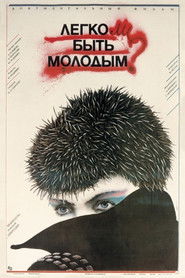
star 4.2Portrayal of a generation of rebellious teenagers growing up under Communist rule in Latvia.The Raw Ones
1965
The Raw Ones
1965
star 3.9Sun-kissed Floridians enjoy volleyball, jumping rope, trampolines, and relaxing in the sun.Félix Mayol Performs "The Trottins' Polka"
1905
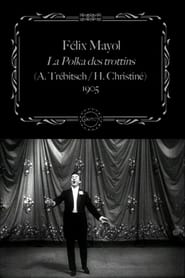
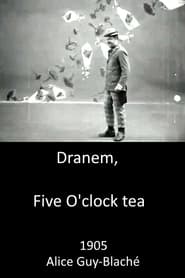
star 5Félix Mayol performs The Trottins Polka (La Polka des Trottins, by A. Trebitsch and H. Christine) in this phonoscene by Alice Guy. This early form of music video was created using a chronophone recording of Mayol, who was then filmed "lip singing". Guy would film phonoscenes of all three major Belle Époque celebrities in France: Polin, Félix Mayol, and Dranem.Eccentric Dance
1902
Eccentric Dance
1902
star 4.7"Danse excentrique" (Gaumont #587) is part of the "Miss Lina Esbrard. Danseuse cosmopolite et serpentine" series of 4 films, and should not be confused with "Danse serpentine" (Gaumont #588, the only extant film in the series), "Danse fantaisiste" (Gaumont #589) or "La Gigue" (Gaumont #590).In Bad Taste
1999
In Bad Taste
1999
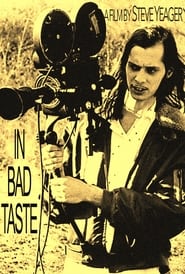
star 8A documentary on the career of filmmaker John Waters. Featuring interviews with actors and fellow film-makers. The life and death of the actor Divine is also discussed.Strip Jack Naked
1991
Strip Jack Naked
1991
star 5.2Ron Peck talks about his experiences of growing up as a gay man, the attitudes to homosexuality in Britain, and his journey towards making his film "Nighthawks".In the Land of the Deaf
1992
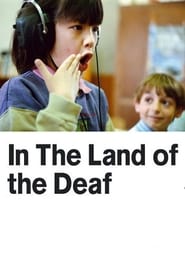
star 6.2Anyone who has ever ventured to the "Land of the Deafs" will have been struck by the strangeness of the choreographed signs with which deaf people express themselves. Developed ages ago, these signs constitute a veritable language. As precise and subtle as speech, they are as effective as spoken language in making a declaration love or providing a detailed technical description. Jean-Claude, Jeanine, Eric, Cyril, Alain, Juliette, Guy, Aurélien and René have one thing in common - they are all profoundly deaf. So they dream, think and communicate in sign language. Which means that they see the world differently. Viewers embark with them on a discovery of the distant land of the deaf, where sight and touch assume enormous importance.Brutality in Stone
1961
Brutality in Stone
1961
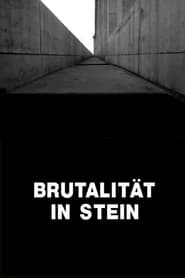
star 6.8In his experimental short film "Brutalität in Stein" (Brutality in Stone), Alexander Kluge demonstrates how Nazi architecture used dimensions of inhuman and super-human scale to bolster the regime's politics of the same kind. Shots of huge neo-classical architectural structures from the Nazi period are confronted with equally anti-human national-socialist language as a voice-over.Home of the Brave: A Film by Laurie Anderson
1986
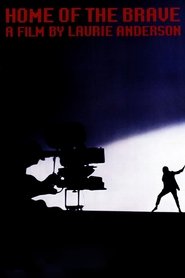
star 8.2A concert film directed by and featuring the music of Laurie Anderson, filmed at the Park Theater in Union City, New Jersey, during the summer of 1985. The film includes songs from her 1984 album 1984’s “Mister Heartbreak” and selections from her 1983 “United States” show, along with eclectic, experimental visuals blending film, animation, dance and electronics.Japan: A Story of Love and Hate
2008
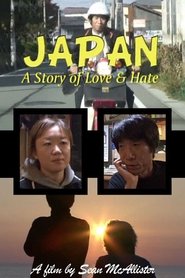
star 7.3Naoki once had it all - the fast car, the executive home. Boss of his own business he lived the good-life when Japan's economy was at it's height. Then the bubble burst - and he met Yoshie.Torero!
1957
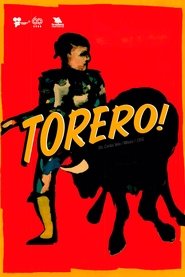
Torero!
1957
star 5.7The life of the famed Mexican bullfighter Luis Procuna, from his boyhood through his training and the triumphs that followed as Procuna rose to the peak of his profession. Written by Jim Beaver2 x 50 Years of French Cinema
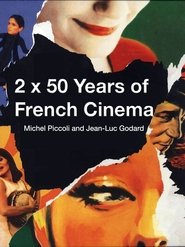
1995
star 6.4At a lakeside hotel, Michel Piccoli discusses the centennial of cinema with Jean-Luc Godard. Godard asks why should cinema's birthday be celebrated when the history of film is a forgotten subject. Through the remainder of his hotel stay, Piccoli tests Godard's hypothesis.The Woodmans
2011
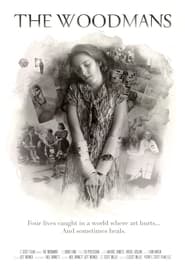
The Woodmans
2011
star 5.8The story of a family that suffers a tragedy, but perseveres and finds redemption through each other and their work - making art.Images of the World and the Inscription of War
1991
star 6.5Farocki’s intriguing and troubling film explores the processes of visual perception and how they affect our understanding of history and society. In a work reminiscent of the writings of Paul Virilio and Michel Foucault, Farocki examines a range of phenomena including aerial reconnaissance photos of the Auschwitz concentration camp.Down and Out in America
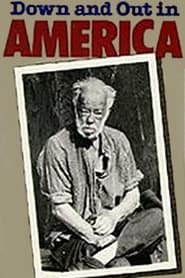
1986
star 6.6The recession of the 1980s split the country into the haves and have-nots, from family farmers to factory workers and homeless people forced to live in decrepit welfare hotels. On the verge of losing everything, courageous Americans discover the power of community organizing to fight injustice.