Top Rated Documentary Movies on Tub Tv - Page 413
All Services
Free Services
 Netflix
 Amazon Prime Video
 Apple iTunes
 Apple TV Plus
 Disney Plus
 Google Play Movies
 Paramount Plus
 Hulu
Hulu
 HBO Max
 YouTube
 fuboTV
 Peacock
 Peacock Premium
 Amazon Video
 The Roku Channel
 AMC+
AMC on Demand
AMC+
AMC on Demand
 Kocowa
 Hoopla
 The CW
 Vudu
Vudu
 Starz
Starz
 Showtime
 PBS
PBS
 Pantaflix
 FXNow
FXNow
 Tubi TV
 Kanopy
 Comedy Central
 Crunchyroll
 Microsoft Store
 Redbox
 Sun Nxt
 ABC
ABC
 DIRECTV
 Crackle
 Fandor
 Plex
Plex
Netflix
Amazon Prime Video
Apple iTunes
Apple TV Plus
Disney Plus
Google Play Movies
Paramount Plus
Hulu
HBO Max
YouTube
fuboTV
Peacock
Peacock Premium
Amazon Video
The Roku Channel
AMC+
AMC on Demand
Kocowa
Hoopla
The CW
Vudu
Starz
Showtime
PBS
Pantaflix
FXNow
Tubi TV
Kanopy
Comedy Central
Crunchyroll
Microsoft Store
Redbox
Sun Nxt
ABC
DIRECTV
Crackle
Fandor
Plex

Real Boy
2016
Real Boy
2016
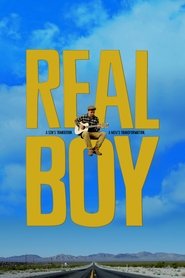
star 4.6REAL BOY is the coming-of-age story of Bennett Wallace, a transgender teenager on a journey to find his voice-as a musician, a friend, a son, and a man. As he navigates the ups and downs of young adulthood, Bennett works to gain the love and support of his mother, who has deep misgivings about her child's transition. Along the way, he forges a powerful friendship with his idol, Joe Stevens, a celebrated transgender musician with his own demons to fight.Oleg and the Rare Arts
2016
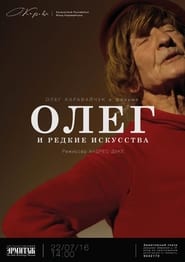
star 6.9The legendary Oleg Nikolaevitch Karavaichuk is the mysterious and moving subject of this loving film by the young director Duque. He was moved by the music the pianist composed for a film by Kira Muratova and is the first foreigner to win the trust of the eccentric and still active 89-year-old Russian.Wrong Elements
2017
Wrong Elements
2017
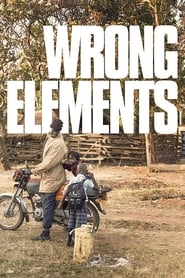
star 5.6Uganda, 1989. A young Acholi rebel guided by spirits, Joseph Kony, forms a new rebel movement against the government: the LRA, The Lord’s Resistance Army. An “army” that grew by abducting teenagers – more than 60 000 over 25 years – of which less than half came out of the bush alive. Geofrey, Nighty and Mike, a group of friends, as well as Lapisa, were among these youths, abducted at 12 or 13. Today, in their effort to rebuild their lives and go back to normal, they revisit the places that marked their stolen childhood. At the same time victims and murderers, witnesses and perpetrators of horrific acts that they did not fully understand, they are forever the "Wrong Elements" that society struggles to accept. Meanwhile, in the immensity of the Central African jungle, the Ugandan army still continues to hunt the last scattered LRA rebels. But Joseph Kony is still out there, on the run.Voices from Chernobyl
2016
star 5.7This film does not deal with Chornobyl, but rather with the world of Chornobyl, about which we know very little. Eyewitness reports have survived: scientists, teachers, journalists, couples, children... They tell of their old daily lives, then of the catastrophe. Their voices form a long, terrible but necessary supplication which traverses borders and stimulates us to question our status quo.My Brothers and Sisters in the North
2016
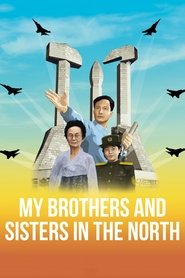
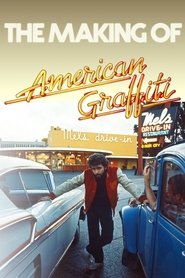
star 7.3The Democratic People's Republic of Korea is a country with a very strong social cohesion and the unprecedented admiration of the people for their leader, which is absolutely unique and incomprehensible especially from a Western point of view. The native Korean director Sung-Hyung Cho tries to understand this by accompanying several Koreans from different backgrounds in their daily lives. The film shows the country and its people in a way, as it is rarely done in Western media, non-judgmental and respectful towards the people.The Making of 'American Graffiti'
1998
star 7.8Documentary that features many interviews and other footage of the cast and crew for the film American Graffiti (1973)Hissein Habré, A Chadian Tragedy
2016
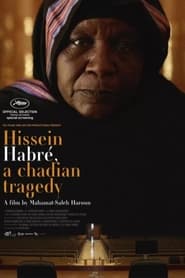
star 5.9In 2013, former Chadian dictator Hissein Habré’s arrest in Senegal marked the end of a long combat for the survivors of his regime. Accompanied by the Chairman of the Association of the Victims of the Hissein Habré Regime, Mahamat Saleh Haroun goes to meet those who survived this tragedy and who still bear the scars of the horror in their flesh and in their souls. Through their courage and determination, the victims accomplish an unprecedented feat in the history of Africa: that of bringing a Head of State to trial.Overgames
2016
Overgames
2016
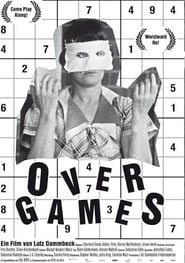
star 6.9On a talkshow, actor and German TV ikon Joachim Fuchsberger recalls how the games for his show "Nur nicht nervös werden" (Don't Get Nervous), first broadcast on West German TV in 1960, were developed along the lines of American psychiatry. Asked "So how many crazy people watched you?", he responded: "A whole crazy, psychologically disturbed nation". Why were the Germans or to be more precise, the West Germans, a psychologically disturbed nation at that time? This is a film about cheerful and serious games, therapies for re-education and self-imposed re-education, as well as the history of the idea of permanent revolution. Those appearing include directors and producers of gameshows, psychiatrists, anthropologists, and the diversely paranoid.Contemporary Color
2016
Contemporary Color
2016
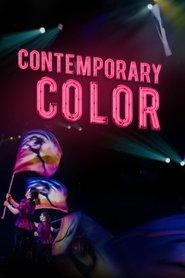
star 6.8In the summer of 2015, legendary musician David Byrne staged an event at Brooklyn's Barclays Center to celebrate the art of Color Guard: synchronized dance routines involving flags, rifles, and sabers. Recruiting performers that include the likes of St. Vincent, Nelly Furtado, Ad-Rock, and Ira Glass to collaborate on original pieces with 10 color guard teams from across the US and Canada, Contemporary Color is a beautifully filmed snapshot of a one-of-a-kind live event.Fragment 53
2015
Fragment 53
2015
star 6.4Fragment 53 is a feature-length documentary film on war considered in its necessary and universal dimension, faced both as an actual and archetypical event.The Kids Menu
2016
The Kids Menu
2016
star 6.6THE KIDS MENU is a feature documentary from the team that brought you "Fat, Sick and Nearly Dead." As filmmaker Joe Cross spent time traveling the world with his previous two films, he met thousands of people and one issue that came up again and again was what to do about the growing childhood obesity problem. In THE KIDS MENU, Joe meets with experts, parents, teachers and kids, coming to the realization that childhood obesity isn't the real issue, but rather a symptom of a bigger problem. The lack of knowledge of what healthy foods are. Lack of access to healthy and affordable options. And the influence of negative role models, whether a parent, teacher or even a celebrity. All of this together seems to be a lot to overcome, but when empowered, kids often make the surprising choice of the healthier path.The Evening Sacrifice
1987
star 3.9The manifestation and fireworks on the 1st of May, one of the ritual celebrations of Soviet times, as a gathering of tired participants of a mass scene falling into pieces without the director's orders and without any aims.Astrosamantha
2016
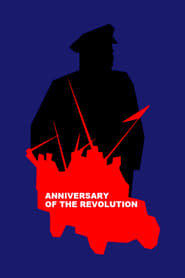
Anniversary of the Revolution
1918
star 6.7A chronicle of the Russian Revolution of 1917, from the bourgeois democratic February Revolution to the great socialist October Revolution and the final triumph.Jihadists
2016
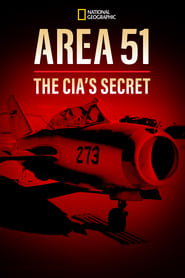
Area 51: The CIA's Secret
2014
star 6.1This true story covers ground-breaking research into the aviation that took place at the Groom Lake Testing Facility, otherwise known as Area 51, which ensured US Aerial supremacy from the Cold War through to the present day. Utilising CIA documents that have recently been declassified this programme identifies specific individuals who worked at the top secret base in a variety of roles – the radar specialists, pilots and security guards. Their personal testimonies provide a unique impression not just of the work that was carried out, but of the site itself. We reveal just how tight security had to be to keep the development of the U2, A12 and HAVE BLUE aviation programmes under wraps. This is a film that concentrates on delivering history and factual accuracy in a fresh and engaging style – one that answers the question ‘what really happened at Area 51’?Death on the Staircase: The Aftermath
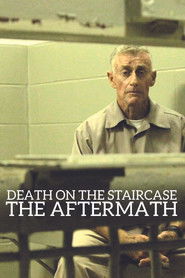
2005
star 6.7A follow-up to the documentary series reports on what has happened since author Michael Peterson was found guilty of murder. In an interview from prison, Peterson talks on camera for the first time since his trial.The Lost Arcade
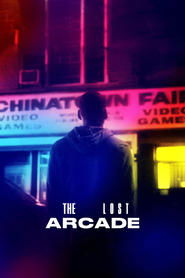
2015
The Lost Arcade
2015
star 7Chinatown Fair opened as a penny arcade on Mott Street in 1944. Over the decades, the dimly lit gathering place, known for its tic-tac-toe playing chicken, became an institution, surviving turf wars between rival gangs, changing tastes and the explosive growth of home gaming systems like Xbox and Playstation that shuttered most other arcades in the city. But as the neighborhood gentrified, this haven for a diverse, unlikely community faced its strongest challenge, inspiring its biggest devotees to next-level greatness.Colliding Dreams
2015
Colliding Dreams
2015
star 6.9We live at a moment in time when the Israeli-Palestinian conflict, now more than a century old, continues to be of overwhelming international political and societal importance. From its inception, that conflict has also, of course, had powerful and deeply troubling consequences for Israelis and Palestinians themselves. The story at its most basic level is one that involves two peoples struggling for national recognition and expression in a small but richly significant piece of land. The tragedy of this history, as both the Israeli novelist, Amos Oz, and the Palestinian scholar, Sari Nusseibeh, have each pointed out, stems from a conflict between the rights of two peoples with equal and legitimate aspirations to nationhood and self-expression in a single small territory to which they can both lay claim.