Top Rated Documentary Movies on Tub Tv - Page 464
All Services
Free Services
 Netflix
 Amazon Prime Video
 Apple iTunes
 Apple TV Plus
 Disney Plus
 Google Play Movies
 Paramount Plus
 Hulu
Hulu
 HBO Max
 YouTube
 fuboTV
 Peacock
 Peacock Premium
 Amazon Video
 The Roku Channel
 AMC+
AMC on Demand
AMC+
AMC on Demand
 Kocowa
 Hoopla
 The CW
 Vudu
Vudu
 Starz
Starz
 Showtime
 PBS
PBS
 Pantaflix
 FXNow
FXNow
 Tubi TV
 Kanopy
 Comedy Central
 Crunchyroll
 Microsoft Store
 Redbox
 Sun Nxt
 ABC
ABC
 DIRECTV
 Crackle
 Fandor
 Plex
Plex
Netflix
Amazon Prime Video
Apple iTunes
Apple TV Plus
Disney Plus
Google Play Movies
Paramount Plus
Hulu
HBO Max
YouTube
fuboTV
Peacock
Peacock Premium
Amazon Video
The Roku Channel
AMC+
AMC on Demand
Kocowa
Hoopla
The CW
Vudu
Starz
Showtime
PBS
Pantaflix
FXNow
Tubi TV
Kanopy
Comedy Central
Crunchyroll
Microsoft Store
Redbox
Sun Nxt
ABC
DIRECTV
Crackle
Fandor
Plex

Inside 'From Russia with Love'
2000
star 6.8A behind the scenes look at the James Bond film "From Russia with Love".Fassbinder
2015
Fassbinder
2015
star 6.2A film portrait of the influential Bavarian actor, director, and screenwriter who publicly confessed his homosexuality, which chronologically covers all the important stages from Action-Theater to the director's early death, supplemented with anecdotes.Small is Beautiful: A Tiny House Documentary
2015
star 4.5Four people seek a more sustainable and secure future by asking the question: "What is it really like to build and live in a tiny house?"Southern Rites
2015
Southern Rites
2015
star 5.4Southern Rites visits Montgomery County, Ga., one year after the town merged its racially segregated proms, and during a historic election campaign that may lead to its first African-American sheriff. Acclaimed photographer Gillian Laub, whose photos first brought the area unwanted notoriety, documents the repercussions when a white town resident is charged with the murder of a young black man. The case divides locals along well-worn racial lines, and the ensuing plea bargain and sentencing uncover complex truths and produce emotional revelations.The 414s
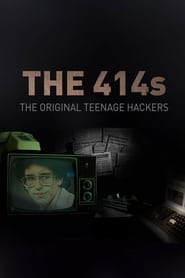
2015
The 414s
2015
star 6.5THE 414s tells the story of the first widely recognized computer hackers, a group of Milwaukee teenagers who gained notoriety in 1983 when they broke into dozens of high-profile computer systems, including the Los Alamos National Laboratory, a classified nuclear weapons research facility.Just About Famous
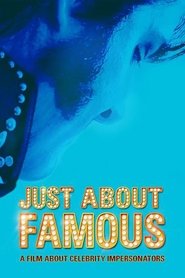
2015
Just About Famous
2015
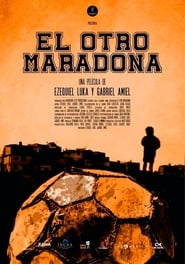
star 5.1When fans cannot get close to the real thing, these professionals step in to fill the void. As the old adage goes, 'imitation is the sincerest form of flattery.' From a celebrity impersonator convention to their lives across the country, JUST ABOUT FAMOUS chronicles the few who have had the fortune, or curse, of looking like the most recognizable people on the planet.El Otro Maradona
2014
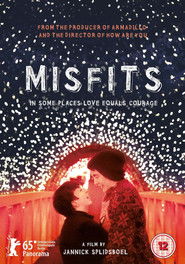
Misfits
2015
Misfits
2015
star 5In an Oklahoma town with 2,000 churches, OpenArms is a small shelter for LGBT teenagers. This doc follows three teens who find love and friendship in a world that labels them outcasts.League of Denial: The NFL’s Concussion Crisis
2013
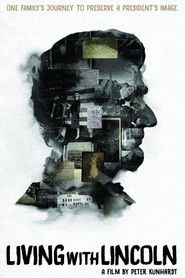
star 7.5Drawing on the book of the same name, League of Denial crafts a searing two-hour indictment of the National Football League’s decades-long concealment of the link between football related head injuries and brain disorders.Living With Lincoln
2015
Living With Lincoln
2015
star 7.4Filmmaker Peter Kunhardt examines how a one-of-a-kind collection of Abraham Lincoln photos and memorabilia have profoundly shaped the lives and sensibilities of five generations of his family.The Real Jurassic Park
1993
star 5.8Could scientists recreate Hollywood's Jurassic Park using 100-million-year-old dinosaur DNA? Director Steven Spielberg, author Michael Crichton, actor Jeff Goldblum, and a host of scientific experts answer this compelling question in the award-winning Nova documentary, The Real Jurassic Park. Behind-the-scenes clips, interviews, and demonstrations with leading paleontologists investigate the viability of reviving the extinct species. All phases of logistics are addressed, including extracting prehistoric insect DNA, creating embryos for placement in host eggs, and more. The scientific analysis of the process leads to the examination of the ethics of recreating a vanished life form.Madame Le Murie
1993
Madame Le Murie
1993
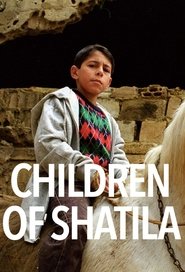
star 6Petr Vaclav's documentary Pani Le Murie (Madam Le Murie, 1993) depicts the last survivor of an aristocratic family who refused to bow to Communism.Children of Shatila
1998
Children of Shatila
1998
star 6.9Many people first became aware of the Shatila refugee camp in Lebanon after the shocking and horrific Sabra-Shatila massacre that took place there in 1982. Located in Beirut's "belt of misery," the camp is home to 15,000 Palestinians and Lebanese who share a common experience of displacement, unemployment and poverty. Fifty years after the exile of their grandparents from Palestine, the children of Shatila attempt to come to terms with the reality of being refugees in a camp that has survived massacre, siege and starvation. Director Mai Masri focuses on two Palestinian children in the camp: Farah, age 11 and Issa, age 12. When these children are given video cameras, the story of the camp evolves from their personal narratives as they articulate the feelings and hopes of their generation.Those Who Feel the Fire Burning
2014
star 4.4As a group of refugees tries to enter Europe illegally by boat, a storm suddenly appears and all hell breaks loose when an old man falls overboard. His perception shifts into another dimension: a dark, hallucinatory place. Driven by a mysterious power and desperately in search of his loved ones, his soul passes by the everyday reality of many castaway refugees at the border of the alleged paradise, Europe. The old man's spirit observes people on the street being chased away like dogs, follows an illegal worker and a drug-addicted mother and slips inside crowded refugee shelters. Wandering through this limbo, the old man questions the meaning of his existence.Scream Queens: Horror Heroines Exposed
2014
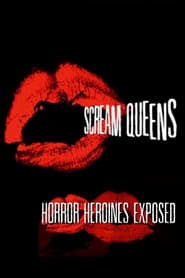
star 8Directed by UK-horror scene stalwart Calum Waddell and hosted by scream queen Debbie Rochon (Terror Firmer, Tromeo and Juliet) Scream Queens: Horror Heroines Exposed features, in a change of pace for horror documentaries, especially those focusing on females in the genre, an all-female line-up, discussing horror movies from their perspective – exploring the challenges of being an actress in a genre predominantly made by and for men, from how they came about to be defined as a “scream queen”, about the vagaries of the genre: nudity, violence, misogyny, etc., and about how they feel about the genre and the labelRe-entry
1964
Re-entry
1964
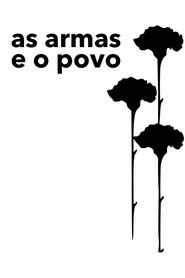
star 5.8"In Re-entry he successfully synthesizes the Yogic and the cosmological elements in his art for the first time by forcefully abstracting and playing down both of them..." P. Adams SitneyThe Guns and the People
1975
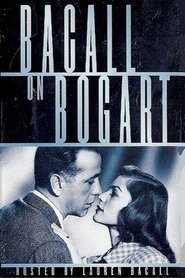
star 7.3Film directors with hand-held cameras went to the streets of Lisbon from April 25 to May 1, 1974, registering interviews and political events of the Portuguese "Carnations Revolution", as that period would be later known.Bacall on Bogart
1988
Bacall on Bogart
1988
star 6Lauren Bacall tells the story of her late husband Humphrey Bogart, presenting clips from his movies and interview clips with his peers.Hot Sugar's Cold World
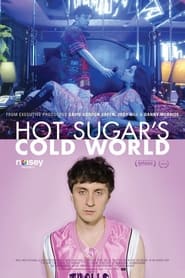
2015
star 7.5Nick Koenig, aka Hot Sugar, is in a hot mess. Considered a modern-day Mozart, the young electronic musician/producer records sounds from everyday life—from hanging up payphone receivers to Hurricane Sandy rain—and chops, loops and samples them into Grammy Award–nominated beats. He’s living the life every musician dreams of, complete with an internet-phenom girlfriend, rapper/singer “Kitty.” But when she dumps him, Hot Sugar is set adrift. Fleeing to Paris, he tries to regroup, searching for new sounds and a sense of self. Filmmaker Adam Lough mixes scenes of Hot Sugar at work on his vintage recording devices with surprising soul-searching reflections he offers to the camera. As tweets and posts about the broken couple blow up on the internet, Hot Sugar’s road trip presses onward, revealing even more exotic layers of the man and his music. Fun and flash, this lyrical journey offers audiences a fascinating peek into a modern artist’s creative process.The Netherlands
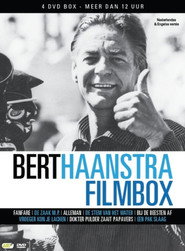
1983
The Netherlands
1983
star 7.2Bert Haanstra was commissioned by the Ministry of Foreign Affairs to make a short film about his own country. It had to be a piece of the work that mainly would be shown abroad, so that the rest of the world could make acquaintance with the beautiful countryside, with the modern side of the Dutch society and with historic building and old customs. After everything he had already made about these subjects, Haanstra was able to find a new angle, this time by observing the matter from the air. The result is a pretty mosaic of The Netherlands like it looked in the early eighties.