Top Rated Fantasy Movies on Tub Tv - Page 479
All Services
Free Services
 Netflix
 Amazon Prime Video
 Apple iTunes
 Apple TV Plus
 Disney Plus
 Google Play Movies
 Paramount Plus
 Hulu
Hulu
 HBO Max
 YouTube
 fuboTV
 Peacock
 Peacock Premium
 Amazon Video
 The Roku Channel
 AMC+
AMC on Demand
AMC+
AMC on Demand
 Kocowa
 Hoopla
 The CW
 Vudu
Vudu
 Starz
Starz
 Showtime
 PBS
PBS
 Pantaflix
 FXNow
FXNow
 Tubi TV
 Kanopy
 Comedy Central
 Crunchyroll
 Microsoft Store
 Redbox
 Sun Nxt
 ABC
ABC
 DIRECTV
 Crackle
 Fandor
 Plex
Plex
Netflix
Amazon Prime Video
Apple iTunes
Apple TV Plus
Disney Plus
Google Play Movies
Paramount Plus
Hulu
HBO Max
YouTube
fuboTV
Peacock
Peacock Premium
Amazon Video
The Roku Channel
AMC+
AMC on Demand
Kocowa
Hoopla
The CW
Vudu
Starz
Showtime
PBS
Pantaflix
FXNow
Tubi TV
Kanopy
Comedy Central
Crunchyroll
Microsoft Store
Redbox
Sun Nxt
ABC
DIRECTV
Crackle
Fandor
Plex

Alice at the Palace
1982
Alice at the Palace
1982
star 5.5Meryl Streep stars as Alice in this production of Elizabeth Swados' musical, which was adapted from Alice's Adventures in Wonderland and Through the Looking Glass by Lewis Carroll. Based on the acclaimed New York Shakespeare Festival production by Joseph Papp, Alice at the Palace follows Alice's surreal adventures with The Mad Hatter, The March Hare, The Queen of Hearts, and The Cheshire Cat, among many others.Animal Games
2004
Animal Games
2004
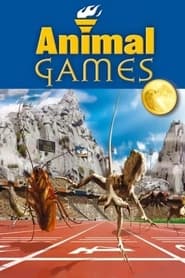
star 5.3As the human world gathers to stage the Olympic Games, this programme looks at what would happen if animals were to do the same. Competitors from the mammal, bird, insect, reptile and fish nations are scaled to human size as they compete in Olympic events. On screen BBC sport graphics impart facts and figures, with commentary from John Motson and Jonathan Pearce.Heavenly Legend
1997
Heavenly Legend
1997
star 6.7Based loosely on the Monkey King legend, but set before he was sent to languish under a mountain for 500 years. The movie mainly focuses on two kids, a young Piggie (played by a fat kid with quite good makeup and a deadly fart weapon) and a young martial art master whose identity I didn't quite recognise. They get caught up in the affairs of The Dragon Princess Of The West Sea who rebels against her father by refusing to marry the Dragon Prince of The East Sea (or something like that!), and along with the Monkey King they have to fight various "fairies" (immortals) to ensure that justice is done.The Fantastic Iris
1912
The Legend of Hillbilly John
1974
star 5.3A roaming hillbilly, on a quest to defy the Devil, encounters several supernatural characters and does battle with his silver-stringed guitar.Tannhäuser
1913
Tannhäuser
1913
star 4Dramatic three-reel film based on Wagner's opera of chivalry and spiritual struggle. Wandering minstrel Tannhauser wins the heart of Elizabeth, niece of the powerful Landgrave. Later, under the spell of Venus and her nymphs, Tannhauser passes into Venusberg, a netherworld of earthly pleasures. Returning to the Landgrave's court, he praises Venus in song and sparks the righteous anger of all present. His own prayers and those of Elizabeth free him from enchantment and he takes up the habit of a monk, devoting himself to God. He sets off to seek absolution in Rome while Elizabeth waits at court, ever weakening in his absence.Magic in the Mirror: Fowl Play
1997
star 4.7Dr Tuttle uses the Doppelganger to breach a mirror, letting Dragora, Dabble and Swanson into the people world. Dragora uses this opportunity to get revenge on Mary Margaret, by way of having her over for tea.Moonlight Sonata
1979
Moonlight Sonata
1979
star 4"After GYMNOPEDIES, I had long wanted to animate a film specifically for a pre-selected piano piece by [Erik] Satie. MOONLIGHT SONATA is that film. It was totally designed for the 'Gnossienne V' and the movements of the animation are timed to the overall rhythms as well as the specific beats of the music." - Lawrence JordanProm Night
2011
Prom Night
2011
star 8.3Prom night is ritual, disco balls, expectation, corsages, dresses, holding, sweating, status, entering in twos, balloons, school gyms, dancing slow and fast.Na Cha the Great
1974
Na Cha the Great
1974
star 5.6Na Cha stars Fu Sheng as the prodigal son of a wealthy local official. When obnoxious sea dragons take on human form and cause trouble on the land, he realizes that the common people need help and takes up his mantle as their protector, fighting the dragons and their flunkies with the aid of supernatural powers.Lesbian Harem
1987
Lesbian Harem
1987
star 2.7Two lesbian lovers escape the city to commit a lovers-suicide deep in the forest. There they are captured by the queen of a lesbian colony who uses the two lovers for her own sex games. The couple organize a revolt against the queen.She
1925
She
1925
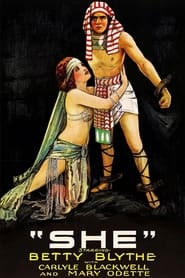
star 5.7Mr. Blackwell discovers a relic that informs him about Blythe (as Ayesha, or "She-Who-Must-Be-Obeyed"), who loved his father and others in the ancestral line. Blackwell accompanies pal Heinrich George and handyman Tom Reynolds to Arabia.Mother Holly
1961
Lava Kusa
1963
Lava Kusa
1963
star 9This movie deals with the later part of Ramayana written by Valmiki Maharshi and depicts the lives of the sons of Rama & Sita.Limit Up
1989
Limit Up
1989
star 3.7Casey is the assistant of commodity trader Peter Oak, but wants to get a license herself. When the diabolic Nike appears and promises to make her successful by use of her supernatural abilities, Casey hesitantly accepts. By correctly predicting the price of soy beans, she manages to make a career, but the price that Nike demands is high: she wants Casey's soul!Chu Chin Chow
1934
Chu Chin Chow
1934
star 4.3Musical retelling of the "Ali Baba and the 40 Thieves" Arabian Nights tale.Iron Fist: The Giants Are Coming
1973
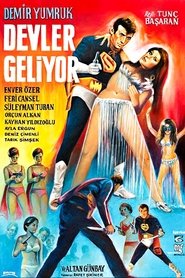
star 5The superhero Iron Fist is in search of a dagger that will point the way to a uranium mine and a hidden treasure.Manô
2005
Manô
2005
star 4.3Manô, an obscure and anonymous character from popular comedies of the 1920s, escapes the destruction of an old movie studio, materializing into the real world from a celluloid film. Manô tries to adapt and survive in present-day Lisbon, for which he is unprepared. Mariana, an unemployed photographer, meets Manô and tries to help him discover the reason for his return, despite Marco, a psychologist with little sense of humor, disliking this clumsy black-and-white character.The Pied Piper of Hamelin
1980
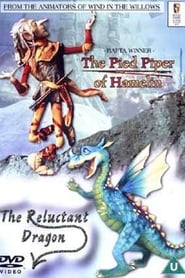
star 6.5In 1376, the city of Hamelin is freed from a plague of hungry rats by a mysterious Piper who plays a tune and leads the vermin on a mery dance out of town and straight in to the river. But the greedy city Governers refuse to pay their agreed fee, so the Piper wreaks a terible revenge. He plays his pipe once more, only this time he leads all the children of Hamelin away to a magical mountain portal, from which they never return...Hobby
1968
Hobby
1968
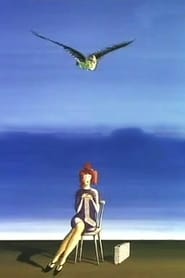
star 6A woman takes a break from her knitting to snare hapless winged men and deposit them in oversized birdcages.