Top Rated History Movies on Tub Tv - Page 142
All Services
Free Services
 Netflix
 Amazon Prime Video
 Apple iTunes
 Apple TV Plus
 Disney Plus
 Google Play Movies
 Paramount Plus
 Hulu
Hulu
 HBO Max
 YouTube
 fuboTV
 Peacock
 Peacock Premium
 Amazon Video
 The Roku Channel
 AMC+
AMC on Demand
AMC+
AMC on Demand
 Kocowa
 Hoopla
 The CW
 Vudu
Vudu
 Starz
Starz
 Showtime
 PBS
PBS
 Pantaflix
 FXNow
FXNow
 Tubi TV
 Kanopy
 Comedy Central
 Crunchyroll
 Microsoft Store
 Redbox
 Sun Nxt
 ABC
ABC
 DIRECTV
 Crackle
 Fandor
 Plex
Plex
Netflix
Amazon Prime Video
Apple iTunes
Apple TV Plus
Disney Plus
Google Play Movies
Paramount Plus
Hulu
HBO Max
YouTube
fuboTV
Peacock
Peacock Premium
Amazon Video
The Roku Channel
AMC+
AMC on Demand
Kocowa
Hoopla
The CW
Vudu
Starz
Showtime
PBS
Pantaflix
FXNow
Tubi TV
Kanopy
Comedy Central
Crunchyroll
Microsoft Store
Redbox
Sun Nxt
ABC
DIRECTV
Crackle
Fandor
Plex

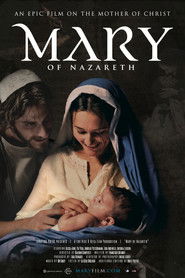
Mary of Nazareth
2012
Mary of Nazareth
2012
star 6.8The film begins with the Annunciation: Mary, a young Galilean, virginal conceived the Messiah, the Son of God. Her husband Joseph, a humble carpenter, decided to stay by his side throughout. When Caesar Augustus ordered the Jews to register people, the couple embarks on a journey to Bethlehem, where Jesus was born. Meanwhile, Maria Magdalena, a young woman from the same town that Mary, turns away from God and placed in the palace of King Herod, Herodias where convinces her to lose her innocence in the arms of the king's son.Habibie & Ainun
2012
Habibie & Ainun
2012
star 7.6Habibie wanted to unite Indonesia by designing airplanes. He met his soulmate and underwent his struggle to become the 3rd president of Indonesia.The Last Sentence
2012
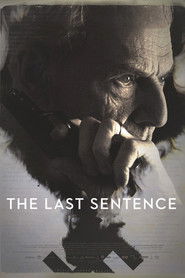
The Last Sentence
2012
star 6.1Renowned journalist Torgny Segerstedt declares war against Hitler as he criticizes Swedish politicians who tried to look away from the tyranny of the Nazis with the good excuse of “neutralism”. His only weapon is his pen and his life is full of gossip such as an affair with his boss’ wife, a love scandal with a secretary younger than his daughter, and the suicide of his wife. However, he continues to fight a one man battle against Hitler and the Nazi regime until his death, throwing the question “Can one person really change history?” to the audience.Dirty Hearts
2012
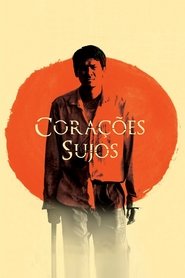
Dirty Hearts
2012
star 6.6In 1945, Japan surrendered to the United States and the Second World War was over. Right? Wrong. For eighty percent of the Japanese community in Brazil, Japan had won the war and defeat was nothing more than American propaganda. The few immigrants that accepted the truth were persecuted. Some were hunted down and assassinated - by their own countrymen - causing the start of a new, private war. Dirty Hearts is a thriller and love story told by the wife of one of the fanatics dedicated to preach Japanese victory. Little by little, she watches her husband, a hard-working immigrant, become an assassin and their love story fade away.Here Below
2012
Here Below
2012
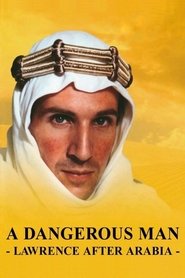
star 5The true story of a nun who betrayed a network of Resistance fighters after having a passionate but doomed love affair with a priest during the Second World War.A Dangerous Man: Lawrence After Arabia
1992
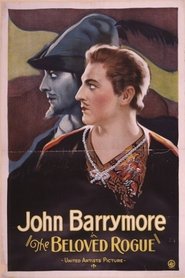
star 6.4In 1919, the great English military man T. E. Lawrence tries to help Emir Feisal, ruler of Arabia, retain his political power during the Conference of Peace in Paris.The Beloved Rogue
1927
The Beloved Rogue
1927
star 6.6François Villon, in his lifetime the most renowned poet in France, is also a prankster, an occasional criminal, and an ardent patriot.On the Barricade
1907
On the Barricade
1907
star 5.1During the Paris Commune, a boy runs across trouble at the barricade. The film is now attributed to Alice Guy-Blaché by the Gaumont company, although there is some debate about whether it was directed by Étienne Arnaud.Cartesius
1974
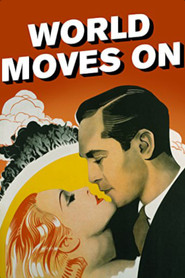
The World Moves On
1934
The World Moves On
1934
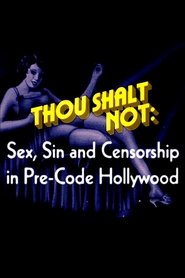
star 5.6Two families, cotton merchants in England and America, with branches in France and Prussia swear to stand by each other in a belief that a great business firmly established in four countries will be able to withstand even such another calamity as the Napoleonic Wars from which Europe is slowly recovering. Then many years later, along comes World War One and the years that follow, to test the businesses.Thou Shalt Not: Sex, Sin and Censorship in Pre-Code Hollywood
2008
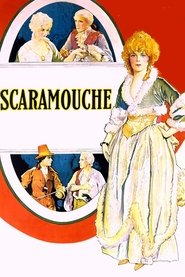
star 6.1A look at the forces that shaped Pre-Code Hollywood and brought about the strict enforcement of the Hays Code in 1934.Scaramouche
1923
Scaramouche
1923
star 7.2A law student becomes an outlaw French revolutionary when he decides to avenge the unjust killing of his friend. To get close to the aristocrat who has killed his friend, the student adopts the identity of Scaramouche the clown.Friendly Fire
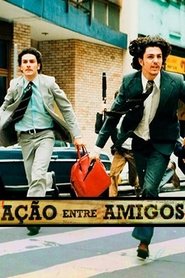
1998
Friendly Fire
1998
star 5.7Brazil in the early 70s. Miguel, Eloi, Osvaldo and Paolo take part in armed attacks against the military dictatorship. They pay a heavy price with torture and arrest. Today the four friends still see each other. Only Miguel is politically active. On a photograph from a political meeting in Sao Paolo he recognises the policeman who tortured them 25 years ago and who was responsible for the death of Miguel's girlfriend. The policeman has been officially dead for a few years. On one of their fishing trips together, Miguel tells his friends of his discovery. When they hunt down and confront their nemesis they come into conflict with both themselves and each other.The Congress Dances
1931
The Congress Dances
1931
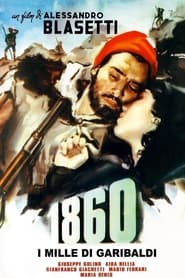
star 7.2Vienna glove-sales-lady Christel falls in love with Russian Czar Alexander. Austrian Prince Metternich tries to use this and other pleasant diversions to keep him out of the negotiation conferences of the 1815 Vienna Congress.1860
1934
1860
1934
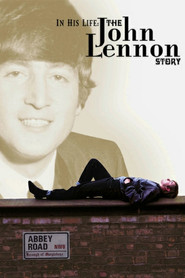
star 6.4The story is the harried attempt of a Sicilian partisan, as part of the risorgimento, to reach Garibaldi's headquarters in Northern Italy, and to petition the revered revolutionary to rescue part of his besieged land. Along the way, the peasant hero encounters many colorful Italians, differing in class and age, and holding political opinions of every type. There is a key train scene, and the film ends on the battlefield, Italian unification a success, despite brutal losses.In His Life: The John Lennon Story
2000
star 6.1A film about the early life of the rock musician and his burgeoning career as a member of the Beatles.Heroes Two
1974
Heroes Two
1974
star 6.4A band of fighting Ming Dynasty loyalists branded as enemies of the state are driven underground following the burning of the Shaolin Temple by Qing Dynasty officials. Due to a misunderstanding, Shaolin kung fu prodigy Fong Sai-yuk is duped into helping Qing agents to capture leading Shaolin rebel Hung Hei-gun. Upon discovering his mistake, Sai-yuk teams up with the remaining rebels to free Hei-gun before his planned execution. Plotting to stop them is General Che Kang, a formidable Tibetan kung fu master who commands an army of fighters including four deadly Tibetan llamas.The UFO Incident
1975
The UFO Incident
1975
star 6.7In the early 1960s, an interracial couple undergo hypnosis, which unlocks memories of a forgotten event on a lonely road. Soon they believe they were abducted by extraterrestrials.Profit Motive and the Whispering Wind
2008
star 6.4A visual essay about the progressive tradition of the United States as seen through grave markers and monuments.Paul Simon: Under African Skies
2012
star 7.2Paul Simon returns to South Africa to explore the incredible journey of his historic Graceland album, including the political backlash he received for allegedly breaking the UN cultural boycott of South Africa designed to end the Apartheid regime. On the 25th anniversary of Paul Simon's GRACELAND, acclaimed documentary filmmaker Joe Berlinger offers a glimpse at the controversy surrounding the decision to record the album in South Africa despite a UN boycott of the nation, which was aimed at ending apartheid. In the run-up to an eagerly anticipated reunion concert, Simon, Quincy Jones, Peter Gabriel, David Byrne, Harry Belafonte, Paul McCartney and others reflect on the decision to record with local artists in South Africa, and the cultural impact of the album that delivered such hits as "I Know What I Know" and "You Can Call Me Al."