Top Rated History Movies on Tub Tv - Page 329
All Services
Free Services
 Netflix
 Amazon Prime Video
 Apple iTunes
 Apple TV Plus
 Disney Plus
 Google Play Movies
 Paramount Plus
 Hulu
Hulu
 HBO Max
 YouTube
 fuboTV
 Peacock
 Peacock Premium
 Amazon Video
 The Roku Channel
 AMC+
AMC on Demand
AMC+
AMC on Demand
 Kocowa
 Hoopla
 The CW
 Vudu
Vudu
 Starz
Starz
 Showtime
 PBS
PBS
 Pantaflix
 FXNow
FXNow
 Tubi TV
 Kanopy
 Comedy Central
 Crunchyroll
 Microsoft Store
 Redbox
 Sun Nxt
 ABC
ABC
 DIRECTV
 Crackle
 Fandor
 Plex
Plex
Netflix
Amazon Prime Video
Apple iTunes
Apple TV Plus
Disney Plus
Google Play Movies
Paramount Plus
Hulu
HBO Max
YouTube
fuboTV
Peacock
Peacock Premium
Amazon Video
The Roku Channel
AMC+
AMC on Demand
Kocowa
Hoopla
The CW
Vudu
Starz
Showtime
PBS
Pantaflix
FXNow
Tubi TV
Kanopy
Comedy Central
Crunchyroll
Microsoft Store
Redbox
Sun Nxt
ABC
DIRECTV
Crackle
Fandor
Plex

Into the Cold: A Journey of the Soul
2010
star 5.3Into the Cold retraces two men dramatic expedition to the North Pole one of the toughest and most magnificent environments in the world and also one that is rapidly vanishing. In two months, 400+ miles, and -50F temperatures, the film reveals a deeply personal journey by foot to the top of the world as never before seen on camera. At current rates of climate change, this centennial commemorative expedition in 2009 will not be possible in another 100 years.Anastasia: the Czar's Last Daughter
1956
star 5.3In 1920, an unknown 24-year-old woman was fished out of Berlin's Landwehr kanal after a suicide attempt. Since she has no papers and no answers to any questions, they soon assign them to the insane asylum Dallendorf. A co-patient believes she recognizes the Czar's daughter Anastasia Romanowa - who apparently was the only one who survived the murder of the tsar's family in 1918.Caesar Against the Pirates
1962
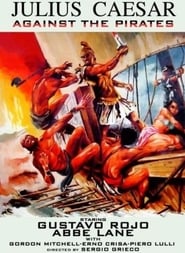
star 6Julius Caesar flees Rome because of a conspiration against him and takes refuge by the king of Bitinia. He finds a woman there and while he escorts her to Rhodes their ship is attacked. Caught by the pirates he asks for help to get back to Rome.Young Chopin
1952
Young Chopin
1952
star 5.7Young Frederic Chopin comes of age during a tumultous time in Polish history.Lights and Shadows
1988
Lights and Shadows
1988
star 5.8This film within a film is based on the painting Las Meninas by Diego de Velazquez. A young boy enters the canvas of the famous picture of the Spanish king and his court. In order to return to the real world, he must convince the artist to create his famous painting. The other plot involves a film director who is not sure how his film within a film will be created. He is distracted by his troubled marriage and has difficulty focusing on his project.Slavers
1978
Gold
1992
Gold
1992
star 3.7When gold is discovered in a remote location, a variety of different groups descend on the spot to stake their claims, resulting in a spate of brutal violence.Jail Caesar
2012
Jail Caesar
2012
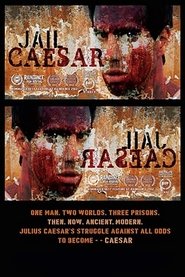
star 6.3The early life of Roman ruler Julius Caesar as told in three working prisons in South Africa, the UK and Canada. A small group of professional actors is joined by a cast of real-life inmates to tell the story of one of history's foremost personalities.Canta Maria
2006
Canta Maria
2006
star 6After her parents were killed by a troupe of soldiers in search of Lampião, an outlaw living in Northeastern Brazil, Maria marries Filipe, a horse whisperer. But his nephew Coriolano soon develops an attraction for Maria, while a jealous Filipe decides to break his marriage and sends Maria away.Tico-Tico no Fubá
1952
Tico-Tico no Fubá
1952
star 7.3A fictionalized biography of Brazilian composer Zequinha de Abreu (1880–1935), who penned the song "Tico-Tico no Fubá" that became an international hit in the 1940s.So Funny It Hurt: Buster Keaton & MGM
2004
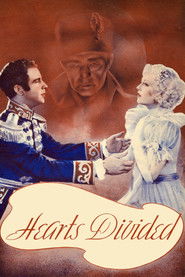
star 7A Turner Classic Movies (TCM) documentary about Keaton's discontented relationship with MGM and the events that eventually led to his career downfall.Hearts Divided
1936
Hearts Divided
1936
star 5Napoleon Bonaparte's younger brother, visiting the United States, falls madly in love with a young woman he meets in Baltimore.Crimson Dynasty
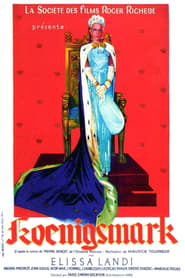
1935
Crimson Dynasty
1935
star 5.3Koenigsmark is a 1935 British-French drama film directed by Maurice Tourneur and starring Elissa Landi, John Lodge and Pierre Fresnay. The film is based on the novel Koenigsmark by Pierre Benoît. It's sets were designed by the art director Lucien Aguettand. The film was known in the United States as Crimson Dynasty.What Shall I Do With This Sword?
1975
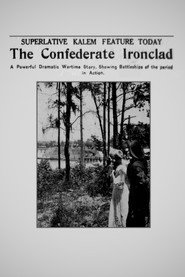
star 6.3By cross-editing footage of Portuguese workers protesting against NATO forces and various movies, Monteiro shows how one 'sword' can confront the army.The Confederate Ironclad
1912
star 5.3During the Civil War, Elinor, a pretty Northern girl, comes south to visit her aunt-- Little does anyone suspect she works as a spy. Lieutenant Yancey, who's nearly engaged to the fetching and resourceful Rose, is gallant enough to show the Yankee guest around, including a walk down a hidden creek where a gunboat is built and awaits powder. Elinor sends this intelligence North, and the Bluecoats attack.Valentino's Ghost
2013
Valentino's Ghost
2013
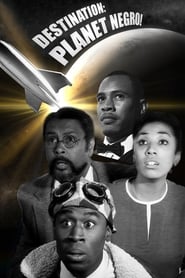
star 5.7The documentary exposes the ways in which America's foreign policy agenda in the Middle East drives the U.S. media's portrayals of Arabs and Muslims. The film lays bare the truths behind taboo subjects that are conspicuously avoided, or merely treated as sound bites, by the mainstream American media: "Why do they hate us?" "Why do we hate them?" What were the events that led to the 9/11 attacks? What are the politics behind the U.S.-Israeli relationship? Why is there a robust debate about these subjects in Europe, the Arab World and in Israel itself, but not in the U.S.? Valentino's Ghost provides a fresh inquiry which challenges the media's daily barrage of rhetoric and misinformation about our complex and vital relationship with this part of the worldDestination: Planet Negro!
2013
star 6.3In 1939, a group of African American intellectuals come up with an ingenious and unlikely response to Jim Crow America -- leave the planet and populate Mars. Using technology created by George Washington Carver, a three-person crew (plus one rambunctious robot) lift-off in Earth's first working spaceship on a mission that will take them to a world not unlike present-day America. Their spacey adventure illuminates some hard truths about American culture, and threatens to undermine the time-line of history along the way.The Centaurs
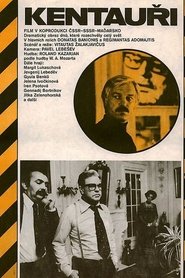
1979
The Centaurs
1979
star 2.7A political conspiracy is brewing in an unnamed Latin American country. Everything is in play: blackmail, bribery, political assassinations, newspaper slander. The operation, code-named "Centaur", is conceived in Washington.The Man from Dakota
1940
The Man from Dakota
1940
star 5.3A frontier scout, a Boston officer and a Russian girl escape with a map past Confederates.Penelope
2009
Penelope
2009
star 3.8This Australian-Croatian co-production appropriates Homer's tale of Penelope, which follows a woman's psychological struggle as she waits twenty years for her husband to return from the Trojan War.