Top Rated History Movies on Tub Tv - Page 480
All Services
Free Services
 Netflix
 Amazon Prime Video
 Apple iTunes
 Apple TV Plus
 Disney Plus
 Google Play Movies
 Paramount Plus
 Hulu
Hulu
 HBO Max
 YouTube
 fuboTV
 Peacock
 Peacock Premium
 Amazon Video
 The Roku Channel
 AMC+
AMC on Demand
AMC+
AMC on Demand
 Kocowa
 Hoopla
 The CW
 Vudu
Vudu
 Starz
Starz
 Showtime
 PBS
PBS
 Pantaflix
 FXNow
FXNow
 Tubi TV
 Kanopy
 Comedy Central
 Crunchyroll
 Microsoft Store
 Redbox
 Sun Nxt
 ABC
ABC
 DIRECTV
 Crackle
 Fandor
 Plex
Plex
Netflix
Amazon Prime Video
Apple iTunes
Apple TV Plus
Disney Plus
Google Play Movies
Paramount Plus
Hulu
HBO Max
YouTube
fuboTV
Peacock
Peacock Premium
Amazon Video
The Roku Channel
AMC+
AMC on Demand
Kocowa
Hoopla
The CW
Vudu
Starz
Showtime
PBS
Pantaflix
FXNow
Tubi TV
Kanopy
Comedy Central
Crunchyroll
Microsoft Store
Redbox
Sun Nxt
ABC
DIRECTV
Crackle
Fandor
Plex

Samson
2017
Samson
2017
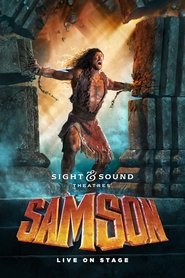
star 10He defeated an entire army and slayed a lion with his bare hands. But there's a secret behind Samson's superpower. Chosen by God from birth, he's been given superhuman strength - as long as he follows the rules. And that's where the trouble begins. Samson soon falls prey to temptation, losing his strength and sight. And it's here where he will face his greatest challenge. Journey with this unlikely hero as he battle the Philistines - and his own personal calling. Filmed in front of a live audience at Sight & Sound Theatres in Lancaster, PA.Bandite
2009
Mitsu
2019
Mitsu
2019
star 5A film about the mysterious lady of the castle, Countess Mitsuko Maria Thekla Coudenhove-Kalergi, who was the first Japanese woman to come to Europe at the turn of the 19th century. She lived mainly in the border region near the Bavarian border and managed the castle in Poběžovice, the property of her late husband, Count Heinrich Coudenhove-Kalergi. She was a strong and educated woman, but she never lost her longing for her native country.Alma Portuguesa
2020
Alma Portuguesa
2020
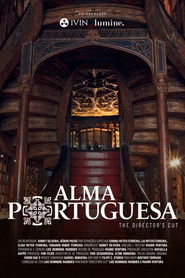
star 8In Portugal, two Brazilian scholars analyze the historical, cultural, and spiritual ties between the two countries.Po-lin. Shards of Memory
2008
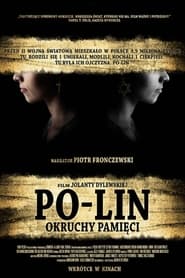
star 8.5Unique archives show a world that no longer exists: pre-war Poland in which two cultures: Jewish and Polish, coexisted wall-in-wall; cottage in a cottage; town next to town. "Po-lin" - meaning "we will stop here" in Yiddish - does not deny the painful past. It only shows that there was something more next to them. Worth remembering and - perhaps - reconstruction.The Hanging of Big Todd Wade
2011
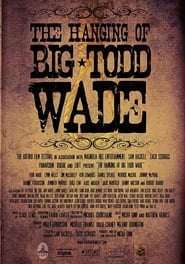
star 8After being found guilty of a crime he did not commit, “Big Todd” Wade is sent to the gallows.The Palanquin Carrier Magistrate
1935
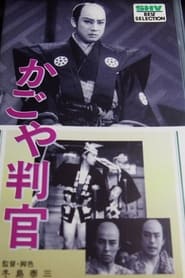
star 5Two cowardly palanquin carriers know the culprit of a murder but are too scared to report it to the police. In the mean time, an innocent man is arrested as the murderer and chaos ensues. Pre-war jidaigeki film.The Train Robbers
1995
The Train Robbers
1995
star 4Special agent Xiang Cheng and his men are sent to Russia toinvestigate a Chinese crime ring.JFK & LBJ: A Time for Greatness
2015
star 6How U.S. President Lyndon B. Johnson used his political prowess to make the Civil Rights Act of 1964 and the Voting Rights Act of 1965 happen. The story is told using rarely-seen footage, interviews and secret White House tapes.Året var 1955
2005
Året var 1955
2005
star 51955 - the year when The rip hunter is buried in snow for eight days before his ski pole with a movie ticket is discovered. Ingrid Bergman gets bad reviews as Joan of Arc, and James Dean dies in a 185 km/h car crash. The knappupgänget, with Povel Ramel and Gunwer Bergkvist, go to Nairobi to shoot a film that will never be finished. Sweden votes no to right-hand traffic and the "Motbok" disappears in October. Charlie Norman writes film music and gets a job in the US, while Sigge Eriksson becomes a world figure skating champion in Moscow. Anita Ekberg visits after years in Hollywood and Louis Armstrong gives concerts in Stockholm. Luleå is building the world's first indoor shopping center, and Viggen Viggo is visible on the TV screen.ATASCAU
2020
ATASCAU
2020
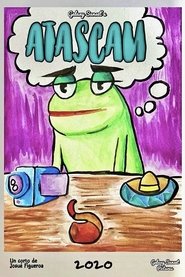
star 10Four puppets that can't leave their house because of quarantine, decide to make a short film, but they have no idea what to make it about.American Feud: A History of Conservatives and Liberals
2008
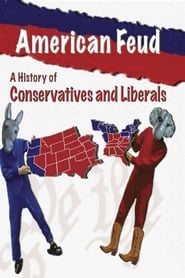
star 2This documentary fulfills a unique niche by taking a non-partisan, unbiased approach to the history of Liberalism and Conservatism in the United States. The film starts at the foundation of the country and continues though the 2006 election. Scholars, authors, historians and partisan activists are used not only to tell the history of each movement, but also to show how the meaning of each term has changed over time. Modern Conservatism is depicted as arising from opposition to Franklin D. Roosevelt's New Deal, becoming a national movement in the 1960's and reaching its apex with Ronald Reagan. Modern Liberalism has its roots in the progressive era of the 1890's becoming dominant with the New Deal, and losing influence with the perceived failures of the "Great Society programs" and Vietnam war policies of Lyndon Johnson.The Three Little Pigs
2012
star 10A 101-hour long reflection on the construction of Europe, its cultural identity and its foundations through the complete adaptation of the texts ‘Conversations with Goethe’ by J. P. Eckermann, ‘Hitler’s Table Talks’ and ‘Fassbinder über Fassbinder: Die ungekürzten Interviews’ (a compilation of interviews with the German filmmaker Rainer Werner Fassbinder, which is used as a counterpoint to the first two books). The texts are read, page by page, by non-professional actors.33 El Musical
2019