Top Rated War Movies on Tub Tv - Page 169
All Services
Free Services
 Netflix
 Amazon Prime Video
 Apple iTunes
 Apple TV Plus
 Disney Plus
 Google Play Movies
 Paramount Plus
 Hulu
Hulu
 HBO Max
 YouTube
 fuboTV
 Peacock
 Peacock Premium
 Amazon Video
 The Roku Channel
 AMC+
AMC on Demand
AMC+
AMC on Demand
 Kocowa
 Hoopla
 The CW
 Vudu
Vudu
 Starz
Starz
 Showtime
 PBS
PBS
 Pantaflix
 FXNow
FXNow
 Tubi TV
 Kanopy
 Comedy Central
 Crunchyroll
 Microsoft Store
 Redbox
 Sun Nxt
 ABC
ABC
 DIRECTV
 Crackle
 Fandor
 Plex
Plex
Netflix
Amazon Prime Video
Apple iTunes
Apple TV Plus
Disney Plus
Google Play Movies
Paramount Plus
Hulu
HBO Max
YouTube
fuboTV
Peacock
Peacock Premium
Amazon Video
The Roku Channel
AMC+
AMC on Demand
Kocowa
Hoopla
The CW
Vudu
Starz
Showtime
PBS
Pantaflix
FXNow
Tubi TV
Kanopy
Comedy Central
Crunchyroll
Microsoft Store
Redbox
Sun Nxt
ABC
DIRECTV
Crackle
Fandor
Plex

When the Greeks
1981
When the Greeks
1981
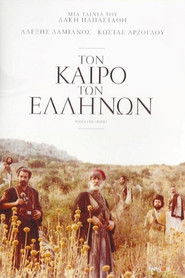
star 5.8At the turn of the twentieth century a young merchant is abducted by a group of brigands who are sheltered in a remote mountainous area of Greece aiming to extract ransom from his wealthy family. The young man develops a kind of sympathy to the arch-brigand and realizes that the underground life and moral code of his kidnappers actually represent a more genuine expression of “New Hellenism” than his bourgeois well-being.The Macedonian Part of Hell
1971
star 5.5At the end of the year 1942 and the start of 1943, to stop spreading the revolution in county of Bitola, bulgarian occupiers are reinforcing the persecutions and the acts of violence on civil population.King Naresuan Part: 6
2015
star 6Department of the Red God vent anger at the loss of his son. Viceroy of Hongsa Suphankanlaya to her son and daughter until death. It led the victory of King Naresuan avenge his brother, and she stepped to Bago leveled.Conquest
1971
Conquest
1971
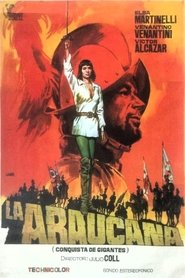
star 3.7La Araucana is a Chilean film based on an epic poem in Spanish about the Spanish conquest of Chile, by Alonso de Ercilla; it is also known in English as The Araucaniad. It is considered the national epic of the Kingdom of Chile and one of the most important works of the Spanish Golden AgeWestward Desperado
1960
Westward Desperado
1960
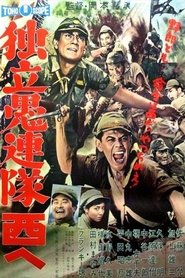
star 5.7In this patriotic WW II drama, the Japanese army demonstrates its courage and willingness to do anything to win as they endeavor to sneak into Communist China to bring back the flag of a defeated enemy regiment.Outrage
1982
Outrage
1982
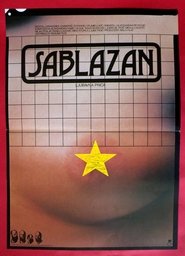
star 4After the end of World War II, a young partisan falls in love with a German secretary who is captured and imprisoned by partisans. He decides to free her and escape with her.Tomorrow We Live
1943
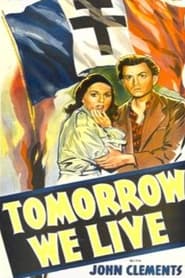
Tomorrow We Live
1943
star 6British World War II film set in occupied France, portraying the activities of members of the French Resistance and the Nazi tactic of taking and shooting innocent hostages in reprisal for acts of sabotage. The opening credits acknowledge "the official co-operation of General de Gaulle and the French National Committee". It was released as "At Dawn We Die" in the US.El Quelite
1970
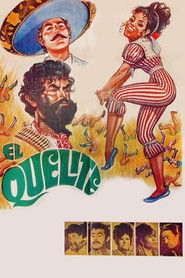
El Quelite
1970
star 4.9Agapito, leader of the revolutionary movement of his state, comes to a town, kills all the federales, and gets a girl who was promised to him for his heroic deeds.Warn That Man
1943
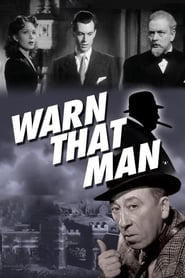
Warn That Man
1943
star 5.3At the height of World War II, the Germans discover that a certain British personage is to stay at the country house of Lord Buckley. They devise a plan whereby they will kidnap the real Lord Buckley, and send to England an actor who will masquerade, lie in wait for the visitor with a number of gunmen, and take him back to Germany.Hooligans at War: North vs South
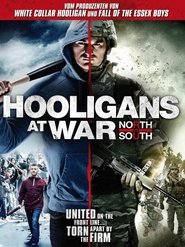
2015
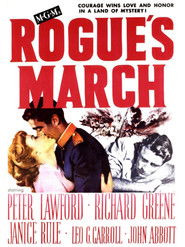
star 4.8After fighting for their country in the Army, friends Chris and Johnny return to South London only to find their home town has changed beyond recognition. With no jobs the two join local gangs, work their way to the top and become feared hooligan bosses. The only thing that can top war, and threaten friendships, is money and power, but who will stand their ground and come out on top in the violent and bloody battle between North and South?Rogue's March
1953
Rogue's March
1953
star 5.8After being unjustly accused of spying, a British officer tries to redeem himself in India.This Was Pancho Villa: First chapter
1957
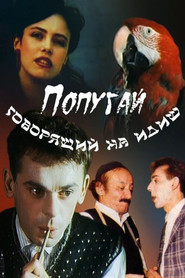
star 6.4The disembodied head of Pancho Villa, kept in a glass jar in a research institute, is the narrator of several short stories from his own life, stories that might or might not have happened but are the stuff of legend.The Parrot Speaking Yiddish
1990
star 2.3About amusing adventures of the young blunderer Yankel during World War II who survives thanks to the sluggishness. The hired legionary he is taken prisoner, will pass across Sicily with the army of allies and it will appear in Indochina. And everywhere he will be accompanied by glory.To Speak or Not to Speak
1972
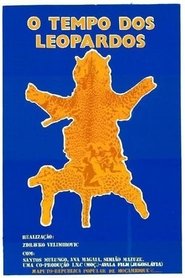
star 5.5In a world where people are easily indoctrinated by speech, a reporter wants to know what people think about the actual political situation?Time of the Leopards
1985
Time of the Leopards
1985
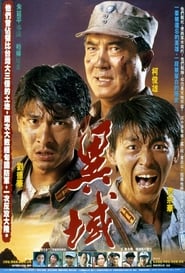
star 6.2As children, a Mozambique native and a Portuguese colonialist were friends. Years have passed and Mozambique is fighting for its independence. Two childhood friends meet on opposing sides.A Home Too Far
1990
A Home Too Far
1990
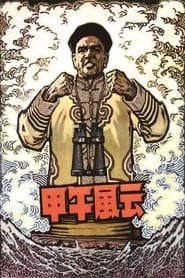
star 8In 1950s, Chinese Civil War ends with the defeat of Republic of China and the establishment of Communist China. The 93rd Division's soldiers take their families with them, exit southwestern China and enter northern Burma (Myanmar). The hike through forest is full of disasters and short of supplies, but the survivors reach and settle within border of Burma. They build a village, and ally with local armed gang to resist Burmese government's attacks. Later, the relocated government of Republic of China offers to take the soldiers and dependents to Taiwan, but some are disappointed with the government and decide to stay.The Naval Battle of 1894
1962
star 5.8In 1894 the Japanese Imperial Navy provokes the Chinese navy to test defenses. Some Chinese want to make concessions while others want to fight. When Japan invades, some naval officers put up a heroic resistance.Border Street
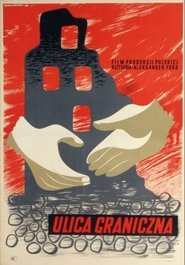
1949
Border Street
1949
star 6.2The story of Polish and Jewish families living side by side in one Warsaw street. Everything changes once and for all with the Nazi invasion.The Taras Family
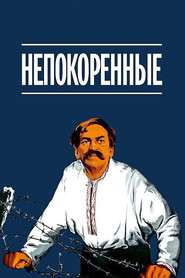
1945
The Taras Family
1945
star 6.1Russian filmmaker Mark Donskoi, of "The Gorky Trilogy" fame, was responsible for the postwar Soviet drama The Taras Family (originally Nepokorenniye, and also released as Unvanquished and Unconquered). A semi-sequel to Donskoi's Raduga (1944), the story is set in Nazi-occupied Kiev. The drama focusses on the travails of a typical Soviet family and on the efforts by the Germans to force the reopening of a local munitions factory. The film is at its most grimly effective in a long sequence wherein the Nazis conduct a search for Jewish escapees, culminating in a horribly graphic re-creation of the slaughter of the Jews at Babi Yar. While Donskoi was critically lambasted for his cinematic "sloppyiness" during this sequence (hand-held camera, rapid cuts etc.), it can now be seen that he was attempting a realistic, documentarylike interpretation of this infamous Nazi atrocity.