Top Rated War Movies on Tub Tv - Page 196
All Services
Free Services
 Netflix
 Amazon Prime Video
 Apple iTunes
 Apple TV Plus
 Disney Plus
 Google Play Movies
 Paramount Plus
 Hulu
Hulu
 HBO Max
 YouTube
 fuboTV
 Peacock
 Peacock Premium
 Amazon Video
 The Roku Channel
 AMC+
AMC on Demand
AMC+
AMC on Demand
 Kocowa
 Hoopla
 The CW
 Vudu
Vudu
 Starz
Starz
 Showtime
 PBS
PBS
 Pantaflix
 FXNow
FXNow
 Tubi TV
 Kanopy
 Comedy Central
 Crunchyroll
 Microsoft Store
 Redbox
 Sun Nxt
 ABC
ABC
 DIRECTV
 Crackle
 Fandor
 Plex
Plex
Netflix
Amazon Prime Video
Apple iTunes
Apple TV Plus
Disney Plus
Google Play Movies
Paramount Plus
Hulu
HBO Max
YouTube
fuboTV
Peacock
Peacock Premium
Amazon Video
The Roku Channel
AMC+
AMC on Demand
Kocowa
Hoopla
The CW
Vudu
Starz
Showtime
PBS
Pantaflix
FXNow
Tubi TV
Kanopy
Comedy Central
Crunchyroll
Microsoft Store
Redbox
Sun Nxt
ABC
DIRECTV
Crackle
Fandor
Plex

The Bells Toll for the Barefooted
1965
star 6.4A dramatic story from the end of WW II and a remarkable contemplation of the value of true friendship, meaning and purpose oflife or the possibility to be humane even in inhuma ne conditions. In a frosty mountain setting a cruel struggle for life takes place. After a fight, two partisans return to their brigade carrying along a young German soldier as a captive. But suddenly, amidst the hopelessness of barren mountains. all protagonists find themselves in a liminal existential situation.Hell on Earth
1931
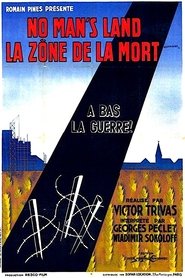
Hell on Earth
1931
star 5.9Hell on Earth (German: Niemandsland) is a 1931 German film directed by Victor Trivas. The film is also known as No Man's Land in France.Journey's End
1930
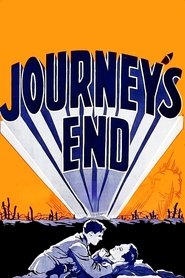
Journey's End
1930
star 6.3In France, 1917, an alcoholic captain is afraid that his new replacement, his sweetheart's brother, will betray his downfall.Spoils of War
2009
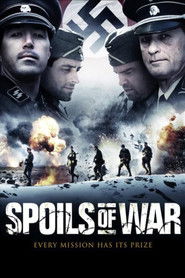
Spoils of War
2009
star 3.2Five SS soldiers infiltrate Austria near the Italian border in the autumn of 1944 to kidnap the ehad of Operation Bernhard - a secret German plan devised to destabililize the Allied war effort by flooding its economy with counterfeit currency.Friends at Arms: On Autumn Exercises
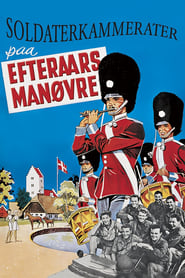
1961
star 5.4The old comrades are called up for three weeks of autumn maneuvers. They are usually more interested in beer, girls, and cheerful music, but Sergeant Vældegaard is determined to scrape the civilian rust off the "boys." Their old friends from their days as recruits have remained in the system as platoon leaders and sergeants, respectively, but that does not dampen the fun. In the heat of battle, the schoolteacher finds time to flirt with his Lotte Corps colleague Birthe.Ricochets
1986
Ricochets
1986
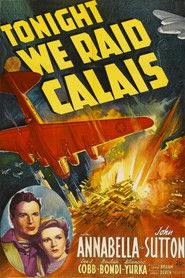
star 6.2The story of a platoon of Israeli soldiers in Lebanon of 1986, shortly before Israeli withdrawal, and the dilemmas they face in having to fight against Lebanese guerilla in a hostile but civilian area.Tonight We Raid Calais
1943
star 5.4A British commando is on a one-man raid to destroy a bomb factory in Nazi-occupied France. He must enlist the aid of French farmers to complete his mission.Combat America
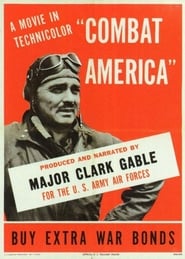
1943
Combat America
1943
star 5.4Produced in 1943 under the guidance of Army Air Force Lieutenant Clark Gable, this film follows a single 8th Air Force B-17 crew from training through a series of missions over Europe.God Does Not Believe in Us Anymore
1982
star 7After his father is murdered by the Nazis in 1938, a young Viennese Jew named Ferry Tobler flees to Prague, where he joins forces with another expatriate and a sympathetic Czech relief worker. Together with other Jewish refugees, the three make their way to Paris, and, after spending time in a French prison camp, eventually escape to Marseille, from where they hope to sail to a safe port.Blood Type
2025
Blood Type
2025
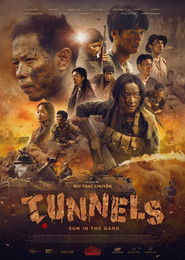
star 7.8Based on real events. November 1943. The Nazis bring a new batch of Soviet orphans to Vyritsa, where a so-called "children's shelter" is set up in a former pioneer camp. The conditions here are unbearable: cold, hunger, forced labor, a punishment cell for disobedience, and execution for attempting to escape. But the worst thing is that children are used as blood donors for wounded Germans. Despite all the horror and inconceivability of what is happening, having united, the young heroes find the strength and courage to resist and decide to escape.Tunnels: Sun in the Dark
2025
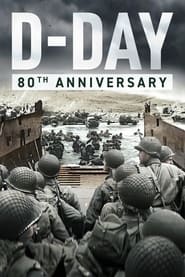
star 8In 1967, as the Vietnam War raged, a Vietnamese revolutionary guerrilla team became the U.S. military's top target—charged with safeguarding a secret group of intelligence agents at all costs.D-Day: 80th Anniversary
2024
star 6.8On June 6, 1944, the Allied Forces executed Operation Overlord, the largest seaborne invasion in history, storming the beaches of Normandy. This pivotal event, known as D-Day, liberated France and Western Europe. A new documentary features interviews with historians, experts, and eyewitnesses, providing detailed insights into the events leading up to this crucial day that played a vital role in bringing an end to World War II.Warriors of the Rainbow: Seediq Bale
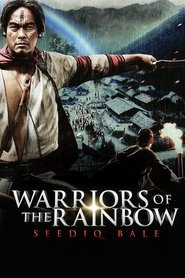
2012
star 8An indigenous clan-based people living in harmony with nature find their way of life threatened when violent interlopers from another culture arrive, intent on seizing their natural resources and enslaving them.Bardejov
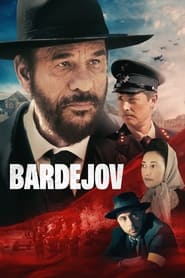
2024
Bardejov
2024
star 5.5The story of Holocaust survivor Emil A. Fish, who was nine years old when he and his family in Bardejov, Slovakia were sent to a concentration camp.Leningrad. Stimmen einer belagerten Stadt
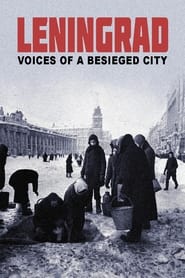
2024
star 7.8It was one of the great crimes of the Second World War: from 1941 to 1944, a total of 872 days, the siege and starvation of Leningrad by the German Wehrmacht on Hitler's orders lasted. Over a million people fell victim to the blockade, most of them dying of hunger. Countless of these starving people wrote diaries with the last of their strength, and cameramen filmed in the paralyzed city. Evidence from the hell of the siege, many of the film recordings, but above all the written memories on which this documentary on the occasion of the 80th anniversary of the liberation is based, remained under lock and key after the war. The voices of those who had suffered through this terrible time should not be heard by anyone, because they did not fit the pathos of the Leningrad heroic song that was officially sung. Most of the recordings come from women. The writers feared neither the enemy nor the Communist Party or Stalin, who often proved incompetent in providing for the population.Rerun
2018
Rerun
2018
star 7.4What does absence mean to you? From this question, Emina Suljovic, a Bosnian hematologist, shares the first thought that comes to her mind to create a mental map that reveals both herself and the relationship she has with Sarajevo, her native city. In short, Rerun is an internal dialogue carried out through the memories and reflections of Emina, who works with terminal patients, who grew up in the midst of the Sarajevo war between 1992-1995 and who devoutly practices the Muslim religion in a contemporary world. All this in the same way that we repeat a past event in our minds.Les Sentinelles de l'oubli
2023
star 8.4The war memorials of 1914-1918 have become so familiar that we no longer see them. They've become an invisible museum, blending into the landscape of France. Then, one fine day, a sculpture catches our eye. Another History appears, perhaps the most gigantic artistic project since the cathedrals...