Top Rated War Movies on Tub Tv - Page 485
All Services
Free Services
 Netflix
 Amazon Prime Video
 Apple iTunes
 Apple TV Plus
 Disney Plus
 Google Play Movies
 Paramount Plus
 Hulu
Hulu
 HBO Max
 YouTube
 fuboTV
 Peacock
 Peacock Premium
 Amazon Video
 The Roku Channel
 AMC+
AMC on Demand
AMC+
AMC on Demand
 Kocowa
 Hoopla
 The CW
 Vudu
Vudu
 Starz
Starz
 Showtime
 PBS
PBS
 Pantaflix
 FXNow
FXNow
 Tubi TV
 Kanopy
 Comedy Central
 Crunchyroll
 Microsoft Store
 Redbox
 Sun Nxt
 ABC
ABC
 DIRECTV
 Crackle
 Fandor
 Plex
Plex
Netflix
Amazon Prime Video
Apple iTunes
Apple TV Plus
Disney Plus
Google Play Movies
Paramount Plus
Hulu
HBO Max
YouTube
fuboTV
Peacock
Peacock Premium
Amazon Video
The Roku Channel
AMC+
AMC on Demand
Kocowa
Hoopla
The CW
Vudu
Starz
Showtime
PBS
Pantaflix
FXNow
Tubi TV
Kanopy
Comedy Central
Crunchyroll
Microsoft Store
Redbox
Sun Nxt
ABC
DIRECTV
Crackle
Fandor
Plex

Tvár v rose
1988
Tvár v rose
1988
Hearts at War
2016
Hearts at War
2016
Set on the eve of World War 2, Jimmy and Evelyn meet and fall in love. As time passes Jimmy and best friend Rupert are conscripted to fight. Leaving their partners (Evelyn and best friend Lizzie) on the Home Front. As the years pass Evelyn joins the Land Army and tries to carry on, wondering if Jimmy and Rupert will return home. Jimmy is deeply affected by his experiences and is traumatised, struggling to return to normality. Will Evelyn and Jimmy fall apart or pull together in an uncertain and changing world?Po własnym pogrzebie
1992
Po własnym pogrzebie
1992
The film is a continuation of the 1984 film I died to live. Leopold Wójcik, faking his own death, returns to the underground. Unlike the previous part, the fate of the heroes is a fiction - a variant of events that could have taken place. The film had a sequel: Born for the Third Time (1989).Urodzony po raz trzeci
1992
The film is a continuation of the films I Died to Live in 1984 and After My Funeral in 1989. As in the second part, the action consists of fictional events (the first part was about real events). Błażejewski is caught in a round-up. Leopold Wójcik's papers were found with him. The pointer lets Wójcik know about this event and warns his colleagues from Kielce who manage to escape. During the interrogation, Błażejewski denies the papers that were found with him. Soon he is released. This does not mean the end of problems for people dealing with Wójcik's case.Podróżni jak inni
1970
Podróżni jak inni
1970
A group of Polish communists in Paris arrives in Poland to fight against the Nazis.Blackbird Fly
2020
Blackbird Fly
2020
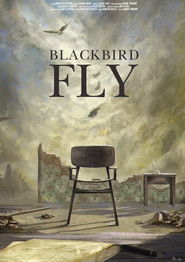
A young man has to find the right words of farewell to his family in a New York pension room in 1942 before his draft sends him off to war, which for him means the possibility of an honorable hero`s death. View it at: https://vimeo.com/522828370The Dawn of War
2020
The Dawn of War
2020
Dee's Nuts
0000
Dee's Nuts
0000
A short documentary following a small pop band as they face a serious confrontation, as one of the members, Dee, finds her nut bar stolen.Różaniec z granatów
1970
Różaniec z granatów
1970
Fall 1944. A wounded Polish officer, Ryszard, is brought to the Allied field hospital. He notices another soldier on the table - also a Pole - a rosary made of pomegranate seeds. Józef, overjoyed at the arrival of his countryman, tells the story of the rosary.Escape to Mindanao
1968
Escape to Mindanao
1968
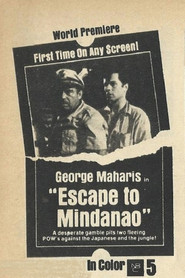
Two American POWs break out of a Japanese jungle prison camp with their captors' secret decoding device and try to reach freedom despite being slowed by an opportunistic sea captain, his pretty daughter, and a black marketeer.Beer
1965
Beer
1965
The piece is an analysis of a person's attitude in the face of imminent danger, and its action takes place just after World War II. In the train station waiting room, two young men lead a beer discussion, one of whom tells the other an unpleasant incident of his own life.Na melinę
1981
Na melinę
1981
A group of resistance fighters discover the secret collaboration between a local beggar and the Nazis.Buty
1966
Buty
1966
During the war, a nurse finds footwear belonging to a Soviet soldier. The discovery haunts her.Green Years
1980
Green Years
1980
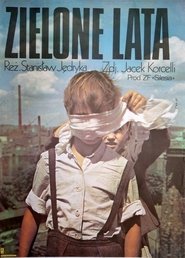
World War II. The Germans enter Sosnowiec, which complicates the relationship between the three friendly children.To the Camp and Back
1983
To the Camp and Back
1983
Christine, grieving for her fiancé who was shot down by the German Luftwaffe during the war, is persuaded by her cousin to meet a German prisoner-of-war—a Luftwaffe pilot.韩国钧
2015
韩国钧
2015
A Catastrophe in Court The Eichmann Trial
0000
Known as the trial of the century, the case against the the former SS man was brought to court on April 11, 1961. It attracted international attention: Adolf Eichmann was one of the people responsible for the murder of an estimated six million Jews and Sinti and Roma in Europe. As court witnesses, Holocaust survivors described the horrific crimes committed during the Nazi era. For most of the survivors who testified, this was the first time they had spoken out about what had happened to them. Their accounts of murder, torture and manslaughter were devastating.