Top Rated Documentary Movies on Tubi TV - Page 17
All Services
Free Services
 Netflix
 Amazon Prime Video
 Apple iTunes
 Apple TV Plus
 Disney Plus
 Google Play Movies
 Paramount Plus
 Hulu
Hulu
 HBO Max
 YouTube
 fuboTV
 Peacock
 Peacock Premium
 Amazon Video
 The Roku Channel
 AMC+
AMC on Demand
AMC+
AMC on Demand
 Kocowa
 Hoopla
 The CW
 Vudu
Vudu
 Starz
Starz
 Showtime
 PBS
PBS
 Pantaflix
 FXNow
FXNow
 Tubi TV
 Kanopy
 Comedy Central
 Crunchyroll
 Microsoft Store
 Redbox
 Sun Nxt
 ABC
ABC
 DIRECTV
 Crackle
 Fandor
 Plex
Plex
Netflix
Amazon Prime Video
Apple iTunes
Apple TV Plus
Disney Plus
Google Play Movies
Paramount Plus
Hulu
HBO Max
YouTube
fuboTV
Peacock
Peacock Premium
Amazon Video
The Roku Channel
AMC+
AMC on Demand
Kocowa
Hoopla
The CW
Vudu
Starz
Showtime
PBS
Pantaflix
FXNow
Tubi TV
Kanopy
Comedy Central
Crunchyroll
Microsoft Store
Redbox
Sun Nxt
ABC
DIRECTV
Crackle
Fandor
Plex

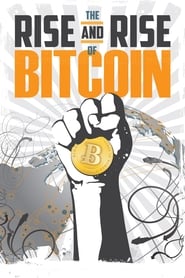
The Rise and Rise of Bitcoin
2014
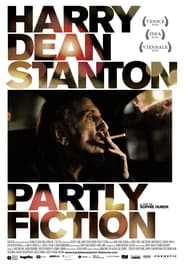
star 7A documentary about the development and spread of the virtual currency called Bitcoin.Harry Dean Stanton: Partly Fiction
2013
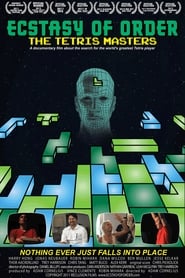
star 6.9An impressionistic portrait of the iconic actor Harry Dean Stanton comprised of intimate moments, film clips from some of his 250 films and his renditions of American folk songs.Ecstasy of Order: The Tetris Masters
2012
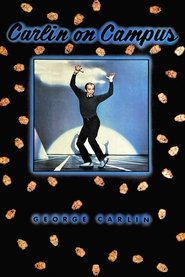
star 6.9A documentary that captures the greatest world record Tetris players as they prepare for the Classic Tetris World Championship. From the days of Thor Aackerlund and his historic victory at the 1990 Nintendo World Championships, right up to the present and Harry Hong's perfect "Max-Out" score, this documentary expertly chronicles over two decades of Tetris Mastery.George Carlin: On Campus
1984
star 7.3George Carlin hits the boards with the former Hippie-Dippie Weatherman's take on Brooklynese pronunciations of the names of sexually transmitted disease ("hoipes"), plus a prayer for the separation of church and state, feuds between breakfast foods, and the absurdity of wearing jungle camouflage in a desert.a-ha: The Movie
2021
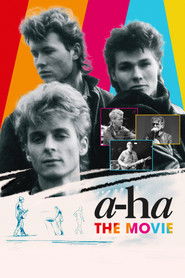
a-ha: The Movie
2021
star 6.8When "Take On Me" reached nr 1 on Billboard in the US in 1985, the dream came true. Or did it? The band was not prepared for what the success could bring, including tension between the three band members.In Search of the Last Action Heroes
2019
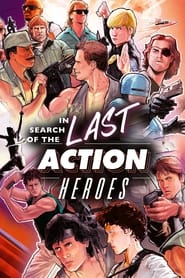
star 6.9The most comprehensive retrospective of the '80s action film genre ever made.Kim Dotcom: Caught in the Web
2017
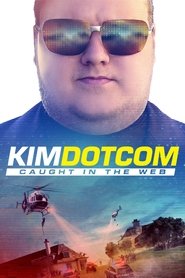
star 6.6The larger-than-life story of Kim Dotcom, the 'most wanted man online', is extraordinary enough, but the battle between Dotcom and the US Government and entertainment industry—being fought in New Zealand—is one that goes to the heart of ownership, privacy and piracy in the digital age.I Am Big Bird: The Caroll Spinney Story
2015
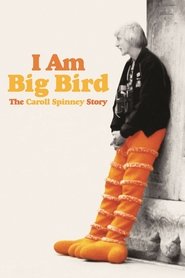
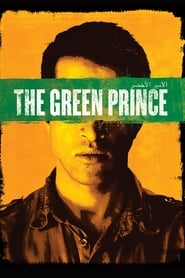
star 7.4A documentary about Caroll Spinney who has been Sesame Street's Big Bird and Oscar the Grouch since 1969. At 78-years-old, he has no intention of stopping.The Green Prince
2014
The Green Prince
2014
star 7.2This real-life thriller tells the story of one of Israel’s prized intelligence sources, recruited to spy on his own people for more than a decade. Focusing on the complex relationship with his handler, The Green Prince is a gripping account of terror, betrayal, and unthinkable choices, along with a friendship that defies all boundaries.Wheel of Time
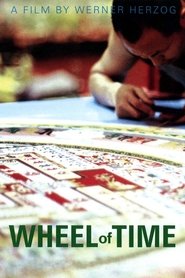
2003
Wheel of Time
2003
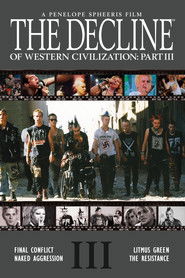
star 6.4Wheel of Time is Werner Herzog's photographed look at the largest Buddhist ritual in Bodh Gaya, India.The Decline of Western Civilization Part III
1998
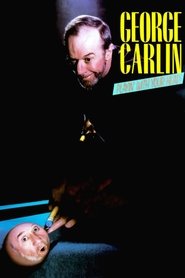
star 6.8A musical study of Los Angeles in the late 90s, where homeless teens roam the streets and profess to live a punk lifestyle of music, drugs, and flouting authority.George Carlin: Playin' with Your Head
1986
star 7.3George Carlin is in top form with these stand-up recorded at the Beverly Theater in Los Angeles in 1986. Routines included are "Losing Things," "Charities," "Sports," "Hello and Goodbye," "Battered Plants," "Earrings," and "A Moment of Silence." Also included is a short film entitled "The Envelope" co-starring Vic Tayback.A Glitch in the Matrix
2021
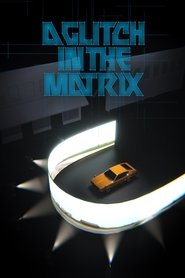
star 5.3Are we in fact living in a simulation? This is the question postulated, wrestled with, and ultimately argued for through archival footage, compelling interviews with real people shrouded in digital avatars, and a collection of cases from some of our most iconoclastic figures in contemporary culture.Scotty and the Secret History of Hollywood
2018
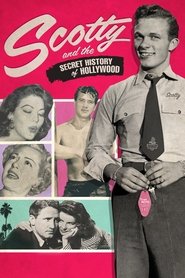
star 6A deliciously scandalous portrait of unsung Hollywood legend Scotty Bowers, whose bestselling memoir chronicled his decades spent as sexual procurer to the stars.Hell and Back Again
2011
Hell and Back Again
2011
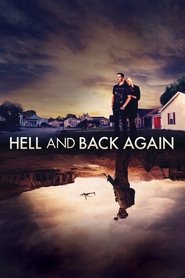
star 6.3What does it mean to lead men in war? What does it mean to come home? Hell and Back Again is a cinematically revolutionary film that asks and answers these questions with a power and intimacy no previous film about the conflict in Afghanistan has been able to achieve. It is a masterpiece in the cinema of war.We Live in Public
2009
We Live in Public
2009
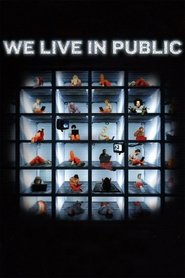
star 6.8In 1999, Internet entrepreneur Josh Harris recruits dozens of young men and women who agree to live in underground apartments for weeks at a time while their every movement is broadcast online. Soon, Harris and his girlfriend embark on their own subterranean adventure, with cameras streaming live footage of their meals, arguments, bedroom activities, and bathroom habits. This documentary explores the role of technology in our lives, as it charts the fragile nature of dot-com economy.Frida. Viva la Vida
2019
Frida. Viva la Vida
2019
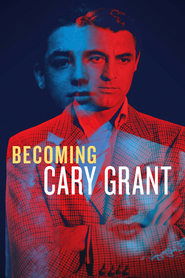
star 6.5The two sides of Frida Kahlo's spirit: on one side the revolutionary, pioneering artist of contemporary feminism and on the other, the human being, victim of her tortured body and a tormented relationship.Becoming Cary Grant
2017
Becoming Cary Grant
2017
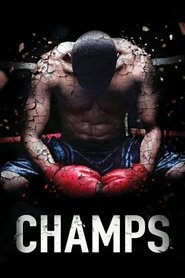
star 6.6For the first time one of Hollywood's greatest stars tells his own story, in his own words. From a childhood of poverty to global fame, Cary Grant, the ultimate self-made star, explores his own screen image and what it took to create it.Champs
2015
Champs
2015
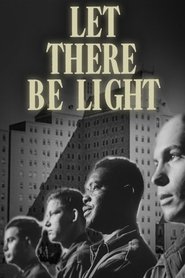
star 6.5A documentary about the sport of boxing, as seen through the eyes of champions Mike Tyson, Evander Holyfield and Bernard Hopkins.Let There Be Light
1946
Let There Be Light
1946
star 7.3The final entry in a trilogy of films produced for the U.S. government by John Huston. Some returning combat veterans suffer scars that are more psychological than physical. This film follows patients and staff during their treatment. It deals with what would now be called PTSD, but at the time was categorised as psychoneurosis or shell-shock. Government officials deemed this 1946 film counterproductive to postwar efforts; it was not shown publicly until 1981.