Top Rated Documentary Movies on Tubi TV - Page 22
All Services
Free Services
 Netflix
 Amazon Prime Video
 Apple iTunes
 Apple TV Plus
 Disney Plus
 Google Play Movies
 Paramount Plus
 Hulu
Hulu
 HBO Max
 YouTube
 fuboTV
 Peacock
 Peacock Premium
 Amazon Video
 The Roku Channel
 AMC+
AMC on Demand
AMC+
AMC on Demand
 Kocowa
 Hoopla
 The CW
 Vudu
Vudu
 Starz
Starz
 Showtime
 PBS
PBS
 Pantaflix
 FXNow
FXNow
 Tubi TV
 Kanopy
 Comedy Central
 Crunchyroll
 Microsoft Store
 Redbox
 Sun Nxt
 ABC
ABC
 DIRECTV
 Crackle
 Fandor
 Plex
Plex
Netflix
Amazon Prime Video
Apple iTunes
Apple TV Plus
Disney Plus
Google Play Movies
Paramount Plus
Hulu
HBO Max
YouTube
fuboTV
Peacock
Peacock Premium
Amazon Video
The Roku Channel
AMC+
AMC on Demand
Kocowa
Hoopla
The CW
Vudu
Starz
Showtime
PBS
Pantaflix
FXNow
Tubi TV
Kanopy
Comedy Central
Crunchyroll
Microsoft Store
Redbox
Sun Nxt
ABC
DIRECTV
Crackle
Fandor
Plex

Knuckleball!
2012
Knuckleball!
2012
star 6.8Follows the Boston Red Sox' Tim Wakefield and the New York Mets' R.A. Dickey - the only two major league pitchers who use the unpredictable knuckleball - during the 2011 season.George Carlin: On Location at USC
1977
star 7.6George Carlin's first ever comedy special, filmed live at the University of Southern California. Here, he talks about monopoly, flying on planes, random thoughts, walking, and other things.Uncle Tom
2020
Uncle Tom
2020
star 7.6In a collection of intimate interviews with some of America's most provocative black conservative thinkers, Uncle Tom takes a different look at being black in America.Trump Card
2020
Trump Card
2020
star 4.9Trump Card is an expose of the socialism, corruption and gangsterization that now define the Democratic Party. Whether it is the creeping socialism of Joe Biden or the overt socialism of Bernie Sanders, the film reveals what is unique about modern socialism, who is behind it, why it’s evil, and how we can work together with President Trump to stop it.Il delitto Mattarella
2020
star 5.9January 6, 1980. President of the Sicily Piersanti Mattarella is going to Mass with his family when a young man approaches his car and shoots him in cold blood, killing him. The young Deputy Prosecutor on duty that day is Pietro Grasso, future General Anti-Mafia Prosecutor and President of the Italian Senate. His investigations are continued by Giovanni Falcone, who uncovers dangerous connections between the Mafia, the ruling Christian Democratic Party, neo-fascist terrorists, and secret services.Extraordinary: The Seeding
2019
star 6.8Filmmaker Jon Sumple explores alien hybridization programs, why they're happening and their impact on humanity.Klimt & Schiele: Eros and Psyche
2018
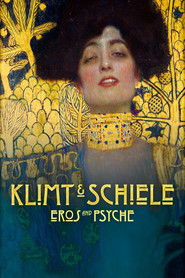
star 71918. As the roar of the First World War cannons is dying out, in Vienna, the heart of Central Europe, a golden age comes to an end. The Austro-Hungarian Empire is beginning to disintegrate. On the night of October 31st, in the bed of his home, Egon Schiele dies, one of the 20 million deaths caused by the Spanish flu. He dies looking at the invisible evil in the face, in the only he can do: painting it. He is 28 years old. Only a few months earlier, the main hall of the Secession building had welcomed his works: 19 oil paintings and 29 drawings. His first successful exhibition, a celebration of a new painting idea that portrays the restlessness and desires of mankind.A few months earlier, his teacher and friend Gustav Klimt had died. From the turn of the century, he had fundamentally changed the feeling of art and founded a new group: the Secession.Grace Jones: Bloodlight and Bami
2017
star 5.7The life of the magnetic Jamaican musician, actress, model and party queen Grace Jones featuring concert performances and intimate, personal footage.Killswitch
2015
Killswitch
2015
star 7.9This Internet is under attack. Communications, culture, free speech, innovation, and democracy are all up for grabs. Will the Internet be dominated by a few powerful interests? Or will citizens rise up to protect it?The Dog
2013
The Dog
2013
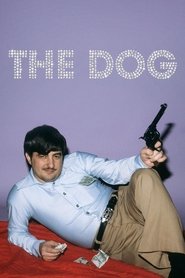
star 6.7In 1972, John Wojtowicz attempted to rob a Brooklyn bank to pay for his lover’s sex-change operation. The story was the basis for the film Dog Day Afternoon. The Dog captures John, who shares his story for the first time in his own unique, offensive, hilarious and heartbreaking way. We gain a historic perspective on New York's gay liberation movement, in which Wojtowicz played an active role. In later footage, he remains a subversive force, backed by the unconditional love of his mother Terry, whose wit and charm infuse the film. How and why the bank robbery took place is recounted in gripping detail by Wojtowicz and various eyewitnesses.David Bowie & The Story of Ziggy Stardust
2012
star 7BBC documentary telling the story of how David Bowie arrived at one of the most iconic creations in pop history - Ziggy Stardust - with contributions from colleagues and famous fans.Into the Mind
2013
Into the Mind
2013
star 6.8From the makers of All.I.Can comes the new feature film Into the Mind. Blur the lines between dream state and reality, as you perceive the world through the minds of many. Into the Mind contemplates the experiences passed between mentors and peers to paint a philosophical portrait of human kind. What drives us to overcome challenge? How do we justify risk? What forces are at the core of a mountain addiction? Unique athlete segments over a multitude of mountain sport genres depict the connectivity of Earth, and window into never-seen-before moments. Explore how we begin our perception of self, construct the foundations of confidence, and are ultimately led up the path of self-actualization.Trumbo
2007
Trumbo
2007
star 6.6Through a focus on the life of Dalton Trumbo (1905-1976), this film examines the effects on individuals and families of a congressional pursuit of Hollywood Communists after World War II. Trumbo was one of several writers, directors, and actors who invoked the First Amendment in refusing to answer questions under oath. They were blacklisted and imprisoned. We follow Trumbo to prison, to exile in Mexico with his family, to poverty, to the public shunning of his children, to his writing under others' names, and to an eventual but incomplete vindication. Actors read his letters; his children and friends remember and comment. Archive photos, newsreels and interviews add texture. Written byA Film Unfinished
2010
A Film Unfinished
2010
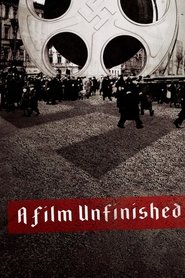
star 6.4Yael Hersonski's powerful documentary achieves a remarkable feat through its penetrating look at another film-the now-infamous Nazi-produced film about the Warsaw Ghetto. Discovered after the war, the unfinished work, with no soundtrack, quickly became a resource for historians seeking an authentic record, despite its elaborate propagandistic construction. The later discovery of a long-missing reel complicated earlier readings, showing the manipulations of camera crews in these "everyday" scenes. Well-heeled Jews attending elegant dinners and theatricals (while callously stepping over the dead bodies of compatriots) now appeared as unwilling, but complicit, actors, alternately fearful and in denial of their looming fate.Marjoe
1972
Marjoe
1972
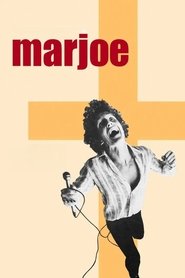
star 7.7Part documentary, part expose, this film follows one-time child evangelist Marjoe Gortner on the "church tent" Revivalist circuit, commenting on the showmanship of Evangelism and "the religion business", prior to the start of "televangelism". Preserved by the Academy Film Archive in 2005.Blue Collar Comedy Tour Rides Again
2004
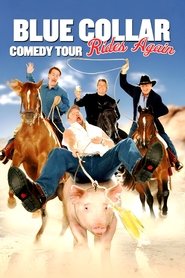
star 5.7Celebrated comedians Jeff Foxworthy, Larry the Cable Guy, Bill Engvall, and Ron White are reunited by popular demand to bring back more of their blue collar humor. The first movie was a runaway hit and the latest installment of this concert experience allows you to once again see them perform their original material on stage, up close and personal, from the best seat in the house.Jean-Claude van Damme: Karate King
2023
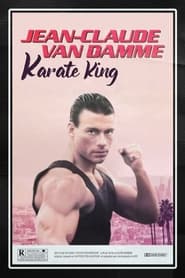
star 7.3An American low-budget action film celebrated an unexpected worldwide success in 1988: "Bloodsport". With its, the world of film fans and martial arts cinema discovered a new idol: Jean-Claude Van Damme. In the 1970s there was Bruce Lee, but at the end of the 1980s a Belgian won the day. Van Damme was a karate master and had unparalleled strength and flexibility. For ten years he was one of Hollywood's hottest action stars. But excessive overconfidence and drugs bring him down again. At home in Europe he becomes a laughing stock on talk shows. Only with "JCVD" does he manage to get back on his feet, playing his character with perspective and self-irony, but without ever giving up the reputation that his action films brought him and which has been a cult for several generations. The highs and lows of his eventful life are told through archive footage and contributions from people close to the popular Belgian actor.Among Us
2017
Among Us
2017
star 7.1Based on the jaw-dropping contact accounts of individuals from around the world, AMONG US explores the suspicious phenomenon of non-human presence on Earth, from angels to ETs, and unveils the many ways they may be interacting, communicating and transferring subliminal information into our consciousness and potentially our DNA. The film ultimately shows that the interconnectedness of all species may be beneficial and most likely inevitable for the evolution of an intelligent universe. This film has been released in some territories under the title: "ET Contact: They are here".The Booksellers
2020
The Booksellers
2020
star 6.9What once seemed like an esoteric world now seems essential to our culture: the community of rare book dealers and collectors who, in their love of the delicacy and tactility of books, are helping to keep the printed word alive. D.W. Young’s elegant and entertaining documentary, executive produced by Parker Posey, is a lively tour of New York’s book world, past and present, from the Park Avenue Armory’s annual Antiquarian Book Fair, where original editions can fetch hundreds of thousands of dollars; to the Strand and Argosy book stores, still standing against all odds; to the beautifully crammed apartments of collectors and buyers. The film features a litany of special guests, including Fran Lebowitz, Susan Orlean, Gay Talese, and a community of dedicated book dealers who strongly believe in the wonder of the object and the everlasting importance of what’s inside.Nomad: In the Footsteps of Bruce Chatwin
2019
star 7When Bruce Chatwin was dying of AIDS, his friend Werner Herzog made a final visit. As a parting gift, Chatwin gave him his rucksack. Thirty years later, Herzog sets out on his own journey, inspired by Chatwin’s passion for the nomadic life, uncovering stories of lost tribes, wanderers and dreamers.