Top Rated Animation TV Shows on Tub Tv - Page 205
All Services
Free Services
 Netflix
 Amazon Prime Video
 Apple iTunes
 Apple TV Plus
 Disney Plus
 Google Play Movies
 Paramount Plus
 Hulu
Hulu
 HBO Max
 YouTube
 fuboTV
 Peacock
 Peacock Premium
 Amazon Video
 The Roku Channel
 AMC+
AMC on Demand
AMC+
AMC on Demand
 Kocowa
 Hoopla
 The CW
 Vudu
Vudu
 Starz
Starz
 Showtime
 PBS
PBS
 Pantaflix
 FXNow
FXNow
 Tubi TV
 Kanopy
 Comedy Central
 Crunchyroll
 Microsoft Store
 Redbox
 Sun Nxt
 ABC
ABC
 DIRECTV
 Crackle
 Fandor
 Plex
Plex
Netflix
Amazon Prime Video
Apple iTunes
Apple TV Plus
Disney Plus
Google Play Movies
Paramount Plus
Hulu
HBO Max
YouTube
fuboTV
Peacock
Peacock Premium
Amazon Video
The Roku Channel
AMC+
AMC on Demand
Kocowa
Hoopla
The CW
Vudu
Starz
Showtime
PBS
Pantaflix
FXNow
Tubi TV
Kanopy
Comedy Central
Crunchyroll
Microsoft Store
Redbox
Sun Nxt
ABC
DIRECTV
Crackle
Fandor
Plex

Hot Wheels
1969
Hot Wheels
1969
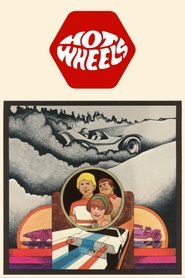
star 9.4Hot Wheels was a thirty-minute Saturday morning animated television series broadcast on ABC from 1969 to 1971, under the primary sponsorship of Mattel Toys.Fish Police
1992
Fish Police
1992
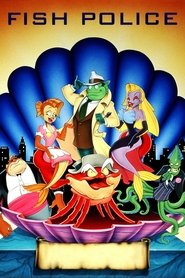
star 5.4Fish Police is a comic book series by cartoonist Steve Moncuse. The plot centers on law and crime in a fictional underwater metropolis with the protagonist, Inspector Gill, trying to solve various, often Mafia-related, crimes while avoiding being seduced by the buxom Angel Jones. The comic featured several marine species as its characters, while the plots and dialogue were reminiscent of film noir. Original Fish Police stories were published from 1985 to 1991, and featured the early work of Sam Kieth as inker.Snooper and Blabber
1959
Snooper and Blabber
1959
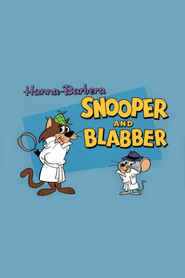
star 6.3Snooper and Blabber is one of the three sequences from The Quick Draw McGraw Show. This show was produced by Hanna-Barbera between September 19, 1959 and October 20, 1962, and consists of 45 episodes.Cattanooga Cats
1969
Cattanooga Cats
1969
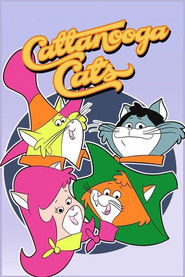
star 7.6Follow the adventures of the Cattanooga Cats, an anthropomorphic band of cats.Dink, the Little Dinosaur
1989
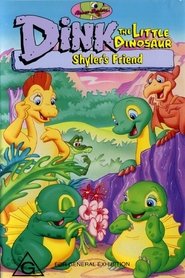
star 4.4Dink, the Little Dinosaur is an animated series produced by Ruby-Spears Productions. The series originally aired on the CBS Kids block on CBS from 1989 to 1991.Toxic Crusaders
1991
Toxic Crusaders
1991
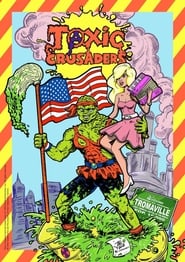
star 5.9Loosely based on the 1984 B-horror comedy film The Toxic Avenger, Toxic Crusaders is a syndicated 13-episode animated series created by Lloyd Kaufman and Michael Herz. Like the source material, Toxie is a grotesque mutant endowed with superhuman powers, but is still a good-hearted and law-abiding citizen of the fictional town of Tromaville, New Jersey; the setting of most of Troma Entertainment's films. In a change from the films, the toxic waste mutated his mop into a sentient entity that sometimes battles enemies by itself or gives him ideas on how to solve problems. The villains include Czar Zosta, Dr. Killemoff, and Psycho, polluters from the planet Smogula who wreak ecological havoc with help from Tromaville's corrupt mayor, Grody. Bonehead, a street punk who bullied Melvin, joins them in the first episode.The Adventures of Gulliver
1968
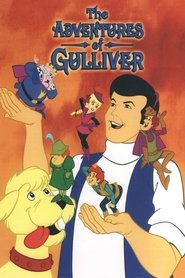
star 6.2The Adventures of Gulliver is a television cartoon produced by Hanna-Barbera Productions, created in 1968. The show is based on the novel Gulliver's Travels. The show originally aired Saturday mornings on ABC-TV between September 14, 1968 and September 5, 1970. 17 episodes were produced, which were syndicated as part of The Banana Splits And Friends Show in the early 1970s.Colorful
1999
Colorful
1999
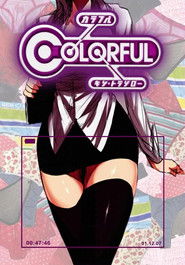
star 5.4The adventures (and mis-adventures) of Men, staring, peeking, glancing, looking, glaring at women and their efforts to get that extra eyeful of harmlessly exposed panties, bra, and occasional cleavage. Following at most, a few regular males and the outrageous consequences of their actions.Young Samson & Goliath
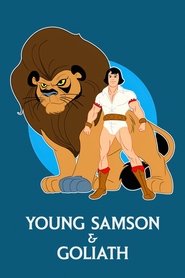
1967
star 5.8Samson & Goliath is an animated television series produced by Hanna-Barbera Productions for NBC, where it debuted on September 9, 1967. Primarily sponsored by General Mills, who controlled the distribution rights through its agency Dancer Fitzgerald Sample, Samson & Goliath was retitled Young Samson in April 1968 to avoid confusion with the stop-motion Christian television series Davey and Goliath. Twenty-six 12-minute episodes of the series were produced; Samson & Goliath cartoons were paired with other General Mills-sponsored shows such as Tennessee Tuxedo and Go Go Gophers to form a full half-hour for their original network broadcasts.Young Samson was later shown in syndication with The Space Kidettes as The Space Kidettes and Young Samson, distributed by The Program Exchange.Wish Kid
1991
Wish Kid
1991
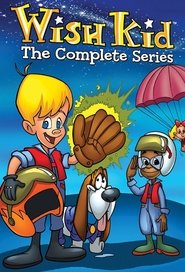
star 6.6Wish Kid starring Macaulay Culkin is an animated television series that originally aired on Saturday mornings from September 14, 1991, through July 1992 on NBC, although a few repeats aired from 1998, through 2002 on Toon Disney after that. Produced by DIC Entertainment, the series starred pre-teen movie star Macaulay Culkin.Spiral Zone
1987
Spiral Zone
1987
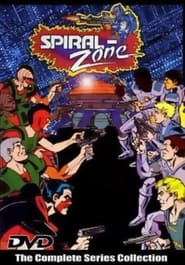
star 7.8Spiral Zone is a 1987 American science-fiction animated series produced by Atlantic-Kushner-Locke. Based in part from a toy line made by Japanese company Bandai, the series focused on an international group of soldiers fighting to free the world from a scientist who controls much of the Earth's surface. It only ran for one season, with a total count of 65 episodes. Tonka acquired the license from Bandai and created a different treatment to the series, plus a short-lived toy line. Spiral Zone is known among fans as a series that stood out from other contemporary cartoons of the 80s because of its dark story. The series has not been officially released on DVD by Hasbro, who had acquired Tonka in the 90s, including all the copyrights to their properties.Yo Yogi!
1991
Yo Yogi!
1991
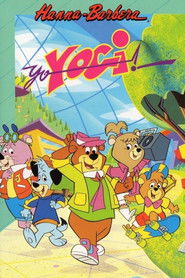
star 6.4Resourceful teens Yogi Bear, Boo-Boo Bear, Huckleberry Hound, Snagglepuss and Cindy Bear work as detectives in the local mall to thwart criminals, including the scheming Dickie Dastardly.Popeye and Son
1987
Popeye and Son
1987
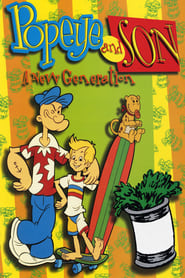
star 4.6Popeye and Son is an animated television series produced by Hanna-Barbera Productions and King Features Entertainment, and aired for one season and thirteen episodes on CBS. Maurice LaMarche supplied the voice of Popeye in this series, succeeding Jack Mercer in that role. It is also the first set of Popeye cartoons that were produced since Mercer's death in 1984.Galtar and the Golden Lance
1985
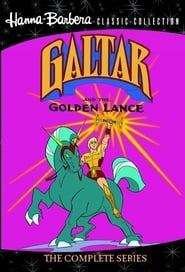
star 7Galtar and the Golden Lance is an animated television series produced by Hanna-Barbera in the 1980s. It was originally produced and released as part of a five-in-one omnibus program, The Funtastic World of Hanna-Barbera, of which Challenge of the Gobots, The Jetsons, Paw Paws, and Yogi's Treasure Hunt as part of the 1985's inaugurated allstar 1st lineup. The TV series has been considered to have been created due to the rise and popularity of the He-Man franchise.Paw Paws
1985
Paw Paws
1985
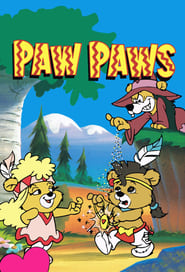
star 8A group of small bears that lived in a tribal society, the cubs spent every day defending themselves from their enemies, The Meanos, led by the evil sorcerer, Dark Paw. The antagonist bear and his henchmen were after the Paw Paws' three large wooden totems, Totem Bear, Totem Tortoise, and Totem Eagle. The totems also served as the tribe's protectors, coming to life when needed through means of Princess Paw Paw's Mystic Moonstone, which she wore around her neck, to defend the village.Free Willy
1994
Free Willy
1994
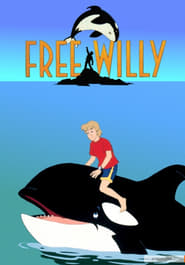
star 4.5Free Willy is an animated television series, inspired by the 1993 film of the same name. This television series was produced by Warner Bros. Television, Regency Enterprises and the Canadian company Nelvana for Warner Bros. Studios. The show, which aired for one season on American Broadcasting Company, continues the adventures of the orca Willy and Jesse, the boy who freed him from captivity as shown in the film. In retrospect, the series also anticipates multiple plot elements of the film sequel, Free Willy 2: The Adventure Home, released the following summer. The overarching conflict is reminiscent of Moby-Dick: a powerful oil baron, known to the main characters only as a cyborg called "The Machine" until the final episodes, loses his arm and part of his face to Willy while committing an environmental atrocity and wants revenge upon "that rotten whale... and his boy".Wild West C.O.W.-Boys of Moo Mesa
1992
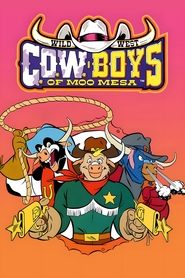
star 7In the 1800s, a mysterious comet hits the U.S. southwest, transforming the local cattle and animals into their own version of the old west called Moo Mesa, complete with several lawmen dealing with bizarre outlaws.Upin & Ipin
2007
Upin & Ipin
2007
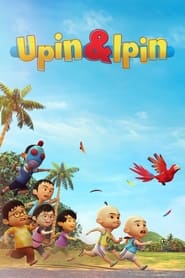
star 6.8“Upin & Ipin” is a 3D animated series produced by Les’ Copaque Production Sdn. Bhd. and is currently one of the most popular animated series in Malaysia receiving excellent reviews and steadfastly averaging around 800, 000 viewers per episode. The series is actually a spin-off of the company’s debut feature film “Geng: Pengembaraan Bermula”. The series centres on a pair of 5-year-old twin boys, the titular Upin and Ipin, who tell stories of their everyday lives through fun and amusing actions with their friends while also learning new things during their day to day activities. Like every other children, Upin and Ipin are very mischievous and often find themselves getting into trouble, most of the time with their teenage sister Ros.Muchachada Nui
2007
Muchachada Nui
2007
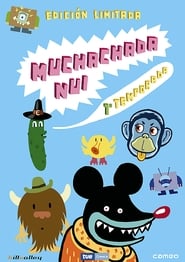
star 6.7Muchachada Nui is a Spanish TV show, consisting of unrelated sketches that use absurd and surrealistic humor. It is broadcast on "La 2 de Televisión Española". It is the sequel of La hora Chanante, that first aired on Paramount Comedy.Mirmo Zibang!
2002
Mirmo Zibang!
2002
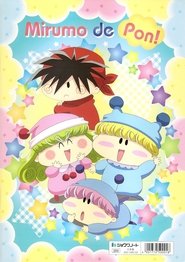
star 7Mirmo de Pon! is a manga series written by Hiromu Shinozuka and serialized in Ciao magazine from 2001 Jul through 2005 Dec. It was also published in twelve collected volumes by Shogakukan. The manga series was awarded the 2003 Kodansha Manga Award and the 2004 Shogakukan Manga Award for children's manga. The series was licensed for an English language release in North America by Viz Media. Four months later, the show aired in Japan for the first time. An anime series named Wagamama Fairy: Mirumo de Pon! by Studio Hibari was adapted from the manga. It premiered in Japan on TV Tokyo on April 6, 2002, and ran for 172 episodes until September 27, 2005. The anime series is also licensed by Viz Media for an English language release in North America, and by ShoPro Entertainment, as Mirmo!.