New War Movies - Page 290
All Services
Free Services
 Netflix
 Amazon Prime Video
 Apple iTunes
 Apple TV Plus
 Disney Plus
 Google Play Movies
 Paramount Plus
 Hulu
Hulu
 HBO Max
 YouTube
 fuboTV
 Peacock
 Peacock Premium
 Amazon Video
 The Roku Channel
 AMC+
AMC on Demand
AMC+
AMC on Demand
 Kocowa
 Hoopla
 The CW
 Vudu
Vudu
 Starz
Starz
 Showtime
 PBS
PBS
 Pantaflix
 FXNow
FXNow
 Tubi TV
 Kanopy
 Comedy Central
 Crunchyroll
 Microsoft Store
 Redbox
 Sun Nxt
 ABC
ABC
 DIRECTV
 Crackle
 Fandor
 Plex
Plex
Netflix
Amazon Prime Video
Apple iTunes
Apple TV Plus
Disney Plus
Google Play Movies
Paramount Plus
Hulu
HBO Max
YouTube
fuboTV
Peacock
Peacock Premium
Amazon Video
The Roku Channel
AMC+
AMC on Demand
Kocowa
Hoopla
The CW
Vudu
Starz
Showtime
PBS
Pantaflix
FXNow
Tubi TV
Kanopy
Comedy Central
Crunchyroll
Microsoft Store
Redbox
Sun Nxt
ABC
DIRECTV
Crackle
Fandor
Plex

Birds Leave in Autumn
1992
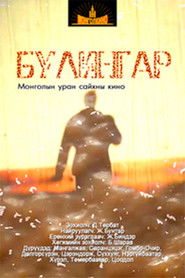
There is a story from a Japanese prisoner of war who said that the good nature of Mongolians will lead to their rebirth as Mongolians in the afterlife. It is a film that values the honest character of the Mongolians, who are very kind and generous.Shining Through
1992
Shining Through
1992
star 6.5Spirited New Yorker Linda Voss goes to work for international lawyer and secret Office of Strategic Services operative Ed Leland just before World War II. As they fall in love, the United States enters the fight against Hitler, and Linda volunteers to work for Ed spying undercover behind Nazi lines. Assigned to uncover information about a German bomb, Linda also has personal motives to fulfill: discovering the fate of her Jewish family members in Berlin.In Desperate Battle: Normandy 1944
1992
star 10A documentary, using dramatization of fact, that examines the Battle of Verrières Ridge, where on July 25, 1944 and not long after D-Day, an inexperienced battalion of the Canadian Black Watch Regiment launched a doomed attack and was defeated with heavy casualties by veteran German SS troops. Part of "The Valour and the Horror" mini series.Shadow year Message
1992
Shadow year Message
1992
It is based on historical facts about the sad fate of an employee of the Ministry of Internal Affairs who did not kneel before death for the sake of the truth in the difficult times of repression in the 1930s.Death by Moonlight: Bomber Command
1992
star 1A documentary that uses dramatizations based on fact to tell the story of Canadian air crew in Canadian bomber squadrons under British command during World War II. Posits Royal Air Force Bomber Command "deliberately hid the truth" about RAF bomber crew survival rates, concealed plans about deliberately annihilating civilians, and betrayed the trust of Canadian military airmen. Part of "The Valour and the Horror" mini-series.Two-Fisted Tales
1992
Two-Fisted Tales
1992
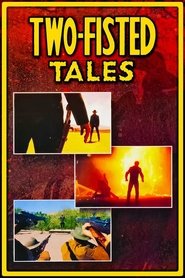
star 5The foul-mouthed, wheelchair-bound Mr. Rush introduces three adventure tales inspired by the EC Comics of the 1950s: "Showdown," "King of the Road," and "Yellow." This star-studded telefilm was an attempt to launch a second anthology series in the mold of "Tales from the Crypt." When the film failed to generate sufficient interest, the three tales were re-edited and shown as "Crypt" episodes.A Savage Christmas: The Fall of Hong Kong
1992
star 10The documentary, using the dramatization of fact, makes the case that the Canadian government knowingly sent two unprepared infantry battalions to help defend Hong Kong in late 1941, fully aware that they may have been on a doomed mission. The C Force, consisting of about 2000 soldiers from the Winnipeg Grenadiers and the Royal Rifles of Canada (from Quebec City) were, with the other British, Indian and Hong Kong troops, attacked on December 8, 1941 and overwhelmed by Japanese troops, leading to numerous casualties and the surrender on Christmas day. The Canadians would spend more than 3 and half years as prisoners of war, in horrible conditions. Part of "The Valour and the Horror" mini series.Man From The "Alpha" Team
1992
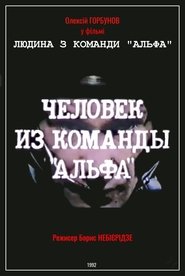
Little-known facts about the activities of a special forces unit created to fight terrorists in the former USSR. The action takes place in Moscow in September 1993 during an attempt to seize the White House.I Have Only You
1992
I Have Only You
1992
After the war, a young man reuniting with his beloved must deal with the fact that she has gone insane.Hotel Sunja
1992
Hotel Sunja
1992
In 1992, the Yugoslav army and Serbian paramilitary forces captured one-third of Croatia as the country was engulfed in a state of war. A squad of fighters is defending their position in the small but strategically significant village of Sunja, where the invaders have surrounded them on three sides. Ivan Salaj, a young and gifted director who was still enrolled in film school at the time, chooses to use their story as the subject of his student film. Considered one of the most important films from a period when Croatian independence was still at stake, it provides an accurate portrayal of life on the front lines. What makes Hotel Sunja even more special is that it was made by a group of students who risked their lives to make the movie.Turbid
1992
Turbid
1992
Although the prison is hard, but a man can't be broken if he is brave, passionate, and loyal to his precious qualities, the kindness of the young ambulance driver and the female doctor shown through the ratio.Bandi-Zo
1992
Bandi-Zo
1992
Through the character of Gundalai, who is fighting with his life for the peace of his country, homeland and people, it is depicted that if the heart is right, not a single person will achieve victory without being alone, and he will become a legend among the people.Dovzhenko. Diary. 1941-1945
1992
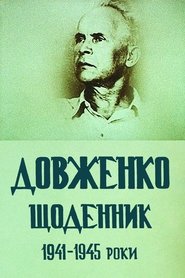
An outstanding poet, student of Oleksandr Dovzhenko, Mykola Vinhranovsky reads excerpts from his teacher's diary, comments on it - thereby emphasizing the tragic fate of the great artist. The film uses a chronicle of the war and post-war years.白山英雄汉
1992
白山英雄汉
1992
仗义英雄
1992
Nation and Destiny 1-4: Choe Hyon Dok
1992
star 5Choe Hyon Dok indulged in anti-communism nearly all his life. At the end, he is forsaken by the nation and lives in exile in a foreign country. But in the embrace of his beloved home, his motherland, he finds the genuine way to resurrection and contribution to the nation at last.Mortal Enemies: From Death and Survival in Stalingrad
1992
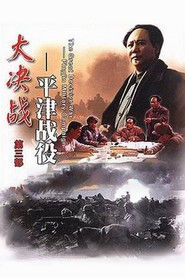
January / February 1993 marked the 50th anniversary of the German surrender at Stalingrad. On the occasion of this anniversary, a television documentary was produced in German-Russian cooperation, which, following a classic documentary pattern, allows 6 contemporary witnesses, former opponents of the war, to recount their personal experiences in front of the camera.Decisive Engagement: Beiping-Tianjin Campaign
1992
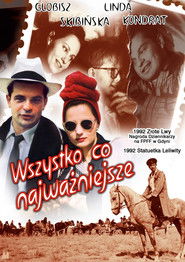
star 7.9Winner of the Golden Rooster for Best Film in 1992All That Really Matters
1992
star 2.7The outbreak of World War II separates Ola and Aleksander Wat's marriage.