New War Movies - Page 418
All Services
Free Services
 Netflix
 Amazon Prime Video
 Apple iTunes
 Apple TV Plus
 Disney Plus
 Google Play Movies
 Paramount Plus
 Hulu
Hulu
 HBO Max
 YouTube
 fuboTV
 Peacock
 Peacock Premium
 Amazon Video
 The Roku Channel
 AMC+
AMC on Demand
AMC+
AMC on Demand
 Kocowa
 Hoopla
 The CW
 Vudu
Vudu
 Starz
Starz
 Showtime
 PBS
PBS
 Pantaflix
 FXNow
FXNow
 Tubi TV
 Kanopy
 Comedy Central
 Crunchyroll
 Microsoft Store
 Redbox
 Sun Nxt
 ABC
ABC
 DIRECTV
 Crackle
 Fandor
 Plex
Plex
Netflix
Amazon Prime Video
Apple iTunes
Apple TV Plus
Disney Plus
Google Play Movies
Paramount Plus
Hulu
HBO Max
YouTube
fuboTV
Peacock
Peacock Premium
Amazon Video
The Roku Channel
AMC+
AMC on Demand
Kocowa
Hoopla
The CW
Vudu
Starz
Showtime
PBS
Pantaflix
FXNow
Tubi TV
Kanopy
Comedy Central
Crunchyroll
Microsoft Store
Redbox
Sun Nxt
ABC
DIRECTV
Crackle
Fandor
Plex

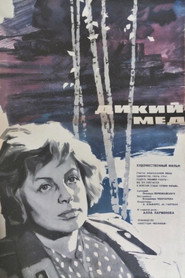
Wild Honey
1967
Wild Honey
1967
star 61943 year. On the instructions of the military newspaper, the photojournalist Varvara Knyazhich goes to the front line to take some pictures of the knocked-down powerful German tank "Tiger". In a combat situation, she has to face a difficult relationship between officers and subordinates. During the execution of a journalistic assignment, Varya is literally two steps from death. But it is here that she is destined to find her love...Inundation
1967
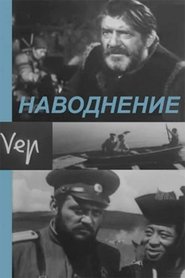
Inundation
1967
At the beginning of the People's Revolution of 1921, it tells about the friendship between Bold, a herdsman, and Mikhail, a Russian boatman, who live on the banks of a river near the border. Two old men who took part in the revolution will be killed by the enemy, but their children will live on. Shows the continuation of the holy friendship of their ancestors.The Morning
1967
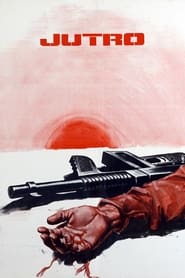
The Morning
1967
star 7.1In the first days after the Second World War, as collaborators are being taken care of, a former partisan finds out that war never truly ends — not even in time of peace.Un dorado de Pancho Villa
1967
star 6.1Villa's regiment demobilizes at the end of the Revolution, but the ruling faction in the provisional government isn't eager to see them reintegrate into civilian society.Such a Big Boy
1967
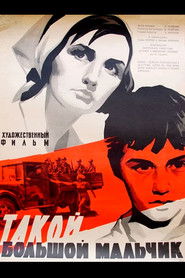
Such a Big Boy
1967
star 1In the first days of the Second World War, a young woman with three children is evacuated from the front-line zone to the Urals. After some time, she receives a funeral for her husband. But she has her little sons with her. The eldest son Kolya becomes a reliable assistant to his mother.Secret Assignment
1967
Secret Assignment
1967
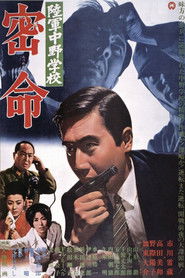
star 10In the fourth film of series, Secret Assignment, Raizo again plays the Jiro Shiina. This time he's out to discover who is spying for the British in the Foreign Ministry, under the code name “Cat's Eye”.The Dirty Dozen
1967
The Dirty Dozen
1967
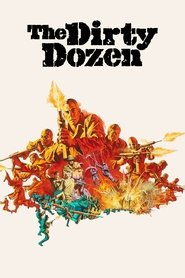
star 7.612 American military prisoners in World War II are ordered to infiltrate a well-guarded enemy château and kill the Nazi officers vacationing there. The soldiers, most of whom are facing death sentences for a variety of violent crimes, agree to the mission and the possible commuting of their sentences.Who will die today?
1967
Who will die today?
1967
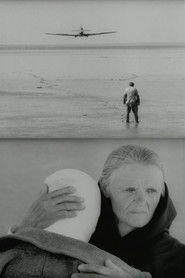
star 7This film ballad is dedicated to those who never returned home from WW2. A group of retreating Soviet soldiers, crossing a lunar terrain in a desperate attempt to escape death, is attacked by a German fighter plane that appears like a bolt from the blue. One by one they are killed. Then suddenly, in an unlikely denouement bordering on the mystical, the attacker is shot down with a simple rifle. For ideological reasons that defy understanding this film, one of Viktor Hres’ earliest works, was shelved in 1967 by Soviet censors. In 2010, it was restored by the Debut Studio of the Oleksander Dovzhenko Film Studio with the support of the Ministry of Culture and Tourism of Ukraine.The Winds of the Aures
1967
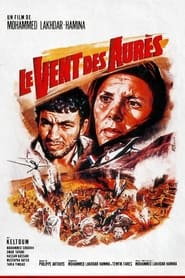
star 6.4The transformations of the daily life of the Algerian people during the destructive French occupation, then during the war of liberation. While military repression is in full swing, a peasant woman finds herself alone in her mountain home when her only son is kidnapped by French soldiers shortly after her husband's death during a raid. One day, seeing a dead chicken, which she considers a bad omen, she decides to leave home and embarks on a painful journey through the mountains. Accompanied by a couple of chickens, she moves from one detention camp to another in a desperate search for her missing son. The film is inspired by the events experienced by the director's family.Major 'Whirlwind'
1967
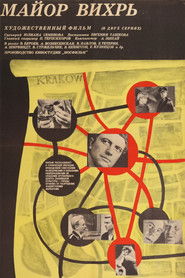
Major 'Whirlwind'
1967
star 5.9The Nazis planted explosives to blow up the cities of Krakow and Prague, but the underground resistance in Poland works with the Russians to stop the disaster.The Commissar
1967
The Commissar
1967
star 6.4Klavdia Vavilova, a Red Army cavalry commissar, is waylaid by an unexpected pregnancy. She stays with a Jewish family to give birth and is softened somewhat by the experience of family life.Classmates
1967
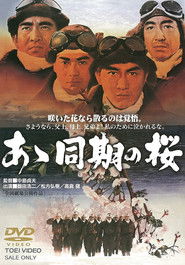
Classmates
1967
star 6.5A story of young students trained to become Kamikaze pilots in World War II.The Dacians
1967
The Dacians
1967
star 7.5The great King of Dacia, Decebal (Decebalus), is disposed to make the ultimate sacrifice in order to keep the integrity of his people. His own son, Cotyso, is given to the god Zamolxis to the dismay of the King and his daughter Meda. Septimius Severus, a young Roman devoted to his adopted country, must make the choice between his blood origins and the culture he was introduced to.The End of 'Saturn'
1967
The End of 'Saturn'
1967
star 3.8A second part of story about a Soviet spies trying to infiltrate German Intelligence center "Saturn" during and after the WWII.The Road to 'Saturn'
1967
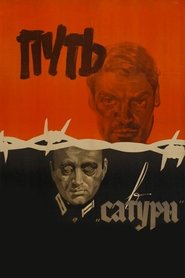
The Road to 'Saturn'
1967
star 3.8A first part of story about a Soviet spies trying to infiltrate German Intelligence center "Saturn" during and after the WWII.Steps Through the Mist
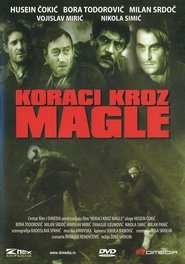
1967
star 5After breaking the enemy's rings, a partisan batch is left only with three wounded and two healthy fighters. Through his binoculars, the German captain Anders monitors the surviving soldiers who are walking through the fog in an effort to reach their brigade. Anders quietly starts a manhunt on wounded while anticipating their physical and mental exhaustion.And We Are Twenty!
1967
And We Are Twenty!
1967
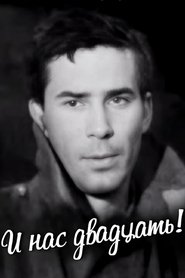
Winter 1941. A company of a machine-gun and artillery battalion was located in a small village, of which only 20 people remained. There is nowhere to retreat: Moscow is 50 km away. And the courageous fighters decide to take the fight to hold back the tank attack of the Nazis...425 Calls
1967
425 Calls
1967
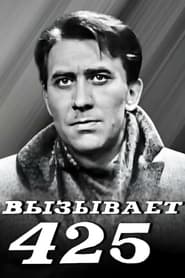
star 7.5The events take place during the Great Patriotic War in Belarus. The commander of the special forces detachment "Thunder" Fedor was sent to the German rear to carry out special missions...The 25th Hour
1967
The 25th Hour
1967
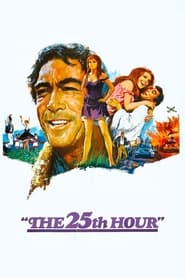
star 7.6A Romanian peasant fights to get back to his family after he's imprisoned by the Nazis.The picture is based on real events. It includes Hungary's government in collaboration with the Nazis, the encroachment of Romania by Stalin's troopers, and other happenings.Two Years above the Abyss
1967
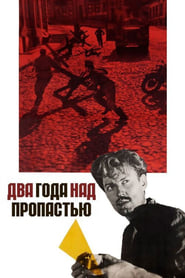
star 7.5A drama about an underground war in the occupied Kyiv during WWII.