New War Movies - Page 425
All Services
Free Services
 Netflix
 Amazon Prime Video
 Apple iTunes
 Apple TV Plus
 Disney Plus
 Google Play Movies
 Paramount Plus
 Hulu
Hulu
 HBO Max
 YouTube
 fuboTV
 Peacock
 Peacock Premium
 Amazon Video
 The Roku Channel
 AMC+
AMC on Demand
AMC+
AMC on Demand
 Kocowa
 Hoopla
 The CW
 Vudu
Vudu
 Starz
Starz
 Showtime
 PBS
PBS
 Pantaflix
 FXNow
FXNow
 Tubi TV
 Kanopy
 Comedy Central
 Crunchyroll
 Microsoft Store
 Redbox
 Sun Nxt
 ABC
ABC
 DIRECTV
 Crackle
 Fandor
 Plex
Plex
Netflix
Amazon Prime Video
Apple iTunes
Apple TV Plus
Disney Plus
Google Play Movies
Paramount Plus
Hulu
HBO Max
YouTube
fuboTV
Peacock
Peacock Premium
Amazon Video
The Roku Channel
AMC+
AMC on Demand
Kocowa
Hoopla
The CW
Vudu
Starz
Showtime
PBS
Pantaflix
FXNow
Tubi TV
Kanopy
Comedy Central
Crunchyroll
Microsoft Store
Redbox
Sun Nxt
ABC
DIRECTV
Crackle
Fandor
Plex

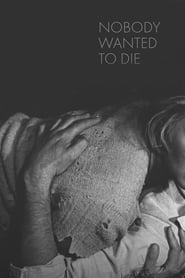
Nobody Wanted to Die
1966
Nobody Wanted to Die
1966
star 5.4The film is set in Lithuania after the Second World War. It shows dramatic events in a small Lithuanian farming community, where people are split between the Soviets and the "brothers in the woods", who are fighting to defend their land from the Soviets after the end of the Second World War.The War Game
1966
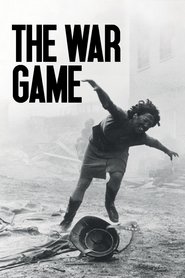
The War Game
1966
star 7.7A docudrama depicting a hypothetical nuclear attack on Britain. After backing the film's development, the BBC refused to air it, publicly stating "the effect of the film has been judged by the BBC to be too horrifying for the medium of broadcasting." It debuted in theaters in 1966 and went on to great acclaim, but remained unseen on British television until 1985.The Exodus of Messolongi
1966
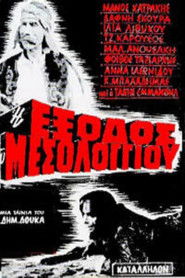
star 5The last days of the historic siege of Messolonghi. The film depicts the whole situation that prevailed in the city after the Turkish siege for many months, and tells the courageous effort of its defenders who are attempting a heroic and desperate exodus.Cast a Giant Shadow
1966
Cast a Giant Shadow
1966
star 6.3An American Army officer is recruited by the yet to exist Israel to help them form an army. He is disturbed by this sudden appeal to his Jewish heritage. Each of Israel's Arab neighbors has vowed to invade the poorly prepared country as soon as partition is granted. He is made commander of the Israeli forces just before the war begins.Looking Into the Eyes of the Sun
1966
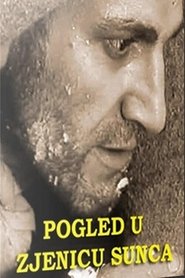
star 6.3Four partisans in the mountains and suffering from typhus are slowly destroyed.A Hero without a Serial Number
1966
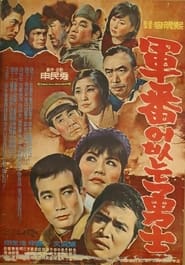
In around the 1950s. A man in charge of a guerilla unit is hiding in the Masingryeong Mountains. On the other hand, his brother, a high government official in the North Korean Ministry of Defense has his father killed blaming him a reactionary. He suffers greatly from the guilt of killing his father and finally decides to give himself up to his brother's guerilla unit. Tragically, however, he is shot to death on his way to the unit to surrender. At his last breath, in his brothers arms, he gives his brother the logistics secrets of the North Korean army.We'll Go to the City
1966
We'll Go to the City
1966
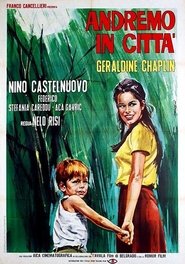
star 7.2"Andremo in città" (We'll Go to the City) is a 1966 Italian drama film directed by Nelo Risi. It is based on the novel of the same name by Edith Bruck, Risi's wife. Bruck, a Hungarian concentration camp-survivor, settled in Italy after the Second World War and wrote about her experiences in autobiographical and fictional formats.[1] The film stars Geraldine Chaplin and Nino Castelnuovo.To the Shores of Hell
1966
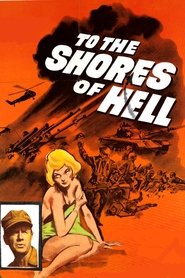
star 5A Marine officer leads a rescue mission through the Vietnamese jungle to rescue his brother, a doctor who has been taken prisoner by the Viet Cong.Fire in the Woods
1966
Fire in the Woods
1966
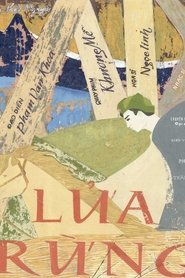
In mid-1960s, groups of American paratroopers arrive at a Hmong village near the Vietnam-Laos border. Among the troops are former villagers who collaborated with the French; having returned home , they seek to win over the village’s support.Death of the Squadron
1966
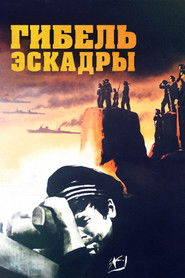
Summer 1918. There is a danger of ships being captured by Germany in the Black Sea Fleet. The Soviet government decides to destroy the fleet. The film tells about the intense struggle of the Bolsheviks against the forces of counterrevolution trying to disrupt the execution of the order.Palnati Yudham
1966
Palnati Yudham
1966
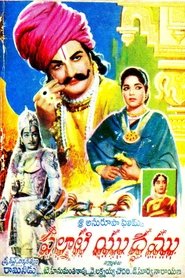
When the minister of Palnadu opens the temple doors for all the castes in the kingdom, disputes arises in the kingdom leading to war.Los ojos perdidos
1966
Los ojos perdidos
1966
Africa Blood and Guts
1966
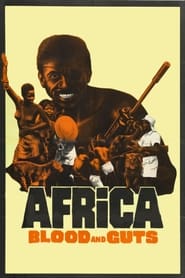
star 6.1A chronicle of the violence that occurred in much of the African continent throughout the 1960s. As many African countries were transitioning from colonial rule to other forms of government, violent political upheavals were frequent. Revolutions in Zanzibar and Kenya in which thousands were killed are shown, the violence not only political; there is also extensive footage of hunters and poachers slaughtering different types of wild animals.La Valentina
1966
La Valentina
1966
star 5.5A smuggler, condemned to be shot, is pardoned in exchange for kidnapping "La Valentina."Posición avanzada
1966
Posición avanzada
1966
star 5.5During the Spanish Civil War, a command takes the night to reach an advanced position, surrounded by the enemy, to protect the ford of a river. The next day, soldiers from both sides arrange a truce for fishing trouts and exchange cans and cigarettes. But foreign forces relieve the besiegers during the night and kill an unsuspecting soldier who was waving to return to fishing. While the position is strengthened, a soldier escapes to the nearby village to see his family.Son of the Army
1966
Son of the Army
1966
A young herdsman from Khuvsgul met a local girl while serving in the military in Navaan and Eastern Region, and agreed to get married after he was discharged from the army. But the war of the year began, and Navan went to the front.Saint Elizabeth Square
1966
star 8Film adaptation of Rudolf Jašík's novel of the same name. The plot of the film is situated in the forties of our century, in the first years of the Second World War. It captures the political and social atmosphere of one of the Slovak towns that lives seemingly in the lee, far from the world and war. Well, appearances are deceiving. Beneath the surface of peaceful, everyday life, a tragic process is taking place, accelerating people's destinies, the disintegration of their characters, but also the maturing of their relationships. The film is the story of Eva and Igor, their love, violently interrupted by political events. In this era of personal and social tragedies, children become adults almost overnight, honest people become victims, and mentally ill people become murderers. The film about the fates of Eva and Igor, the Jewish cartmen Samko and Maxi, and the careerist Flórik presents a believable, convincing picture of the era marked by the expansion of fascism.Judith
1966
Judith
1966
star 4.3A Jewish woman is recruited to help track down a German commander who was her former husband.