New Documentary Movies on Amazon Prime Video - Page 137
All Services
Free Services
 Netflix
 Amazon Prime Video
 Apple iTunes
 Apple TV Plus
 Disney Plus
 Google Play Movies
 Paramount Plus
 Hulu
Hulu
 HBO Max
 YouTube
 fuboTV
 Peacock
 Peacock Premium
 Amazon Video
 The Roku Channel
 AMC+
AMC on Demand
AMC+
AMC on Demand
 Kocowa
 Hoopla
 The CW
 Vudu
Vudu
 Starz
Starz
 Showtime
 PBS
PBS
 Pantaflix
 FXNow
FXNow
 Tubi TV
 Kanopy
 Comedy Central
 Crunchyroll
 Microsoft Store
 Redbox
 Sun Nxt
 ABC
ABC
 DIRECTV
 Crackle
 Fandor
 Plex
Plex
Netflix
Amazon Prime Video
Apple iTunes
Apple TV Plus
Disney Plus
Google Play Movies
Paramount Plus
Hulu
HBO Max
YouTube
fuboTV
Peacock
Peacock Premium
Amazon Video
The Roku Channel
AMC+
AMC on Demand
Kocowa
Hoopla
The CW
Vudu
Starz
Showtime
PBS
Pantaflix
FXNow
Tubi TV
Kanopy
Comedy Central
Crunchyroll
Microsoft Store
Redbox
Sun Nxt
ABC
DIRECTV
Crackle
Fandor
Plex

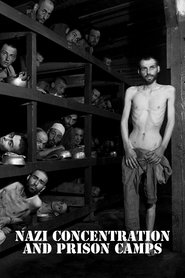
Nazi Concentration Camps
1945
star 7.7Produced and presented as evidence at the Nuremberg war crimes trial of Hermann Göring and twenty other Nazi leaders, this film consists primarily of dead and surviving prisoners and of facilities used to kill and torture during the World War II.The Stilwell Road
1945
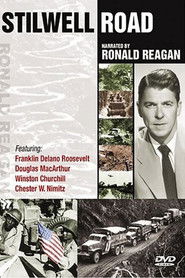
The Stilwell Road
1945
Documentary - Documentary about the construction of the Stilwell Road--originally called The Ledo Road--a 478-mile passage from Assam, India, to Ledo, Burma, during World War II. The road, which was built by 63,000 workers and cost $150 million, was used by the British, Chinese and Indian armies to transport supplies, troops and other essentials from India to Burma in order to keep the Japanese from overrunning the entire theater. - Ronald Reagan, Harold Alexander, Claude AuchinleckDiary of a Sergeant
1945
Diary of a Sergeant
1945
star 6Harold Russell, an American soldier who lost his hands in a training accident, tells the story of his medical rehabilitation at Walter Reed Army Medical Center in Washington DC, how he and his fellow amputees at the hospital at first despaired and then found new hope in the prostheses and training available to amputees through the Army's medical corps. Russell learns to wear and to operate the hooks which replace his hands and becomes competent to perform many tasks he had once thought no longer possible. Discharged from the Army, he is welcomed into Boston College by college president William J. Murphy, S.J.To the Shores of Iwo Jima
1945
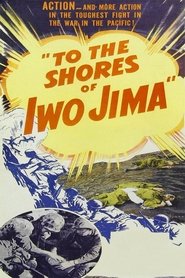
star 6.7Documentary short film depicting the American assault on the Japanese-held island of Iwo Jima and the massive battle that raged on that key island in the Allied advance on Japan. Four cameramen died bringing this footage to the publicWhy We Fight: The Battle of China
1944
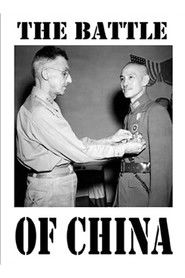
star 6.5The sixth film of Frank Capra's Why We Fight propaganda film series illustrates Japan's occupation of China, including Madame Chiang Kai-Shek's stirring address before congress, the rape of Nanking, the great 2,000 mile migration, and Claire Chennault's Flying Tigers.Tunisian Victory
1944
Tunisian Victory
1944
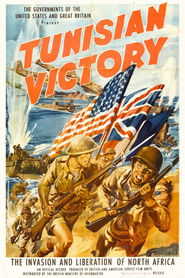
star 6.2Documentary made by the U.S. Army Signal Corps after the North African campaign.Target for Today
1944
Target for Today
1944
star 5.3A bombing mission over Germany by the American Eighth Air Force, from the initial planning for the mission through final completion, with all of its intricacies from beginning to end.Битва за Севастополь
1944
Битва за Севастополь
1944
Attack in the Pacific
1944
Part of a a video series that documents the fighting between the United States and Imperial Japan during and immediately after World War II.Report from the Aleutians
1943
star 5.9A documentary propaganda film produced by the U.S. Army Signal Corps about the Aleutian Islands Campaign during World War II. The film opens with a map showing the strategic importance of the island, and the thrust of the 1942 Japanese offensive into Midway and Dutch Harbor. Nominated for the Academy Award for Best Documentary Feature.Why We Fight: The Nazis Strike
1943
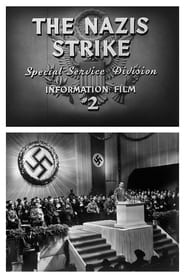
star 6.3The second film of Frank Capra's Why We Fight propaganda film series. It introduces Germany as a nation whose aggressive ambitions began in 1863 with Otto von Bismarck and the Nazis as its latest incarnation.Combat America
1943
Combat America
1943
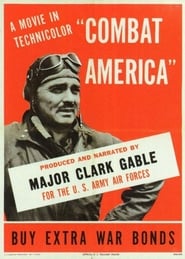
star 5.4Produced in 1943 under the guidance of Army Air Force Lieutenant Clark Gable, this film follows a single 8th Air Force B-17 crew from training through a series of missions over Europe.Churchill's Island
1941
Churchill's Island
1941
star 6.4The people of Britain resist the German air force and navy with help from North America. Preserved by the Academy Film Archive in partnership with Library and Archives Canada in 2005.The Royal Visit
1939
The Royal Visit
1939
This feature documentary offers a complete record of the 1939 Royal Tour of Canada by King George VI and Queen Elizabeth. The film opens as the royal couple makes a stop in Québec city, where Premier Duplessis greets them. They then visit Montréal and meet mayor Camilien Houde. A visit to Ottawa brings them to Parliament, where Prime Minister MacKenzie King is present. The visit continues throughout Ontario, the prairies, and western Canada. The Royal couple also makes a brief stop in Washington and meets President Franklin Roosevelt. They then stop in on the Maritime provinces before boarding a Royal yacht for the journey back to England.The Silent Enemy
1930
The Silent Enemy
1930
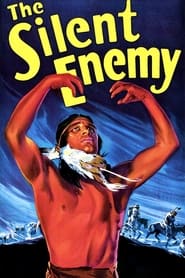
star 6.7In the Canadian Northwest, the Chippewa tribe struggles to find food before the onset of winter.Whoopee!
1929
Whoopee!
1929
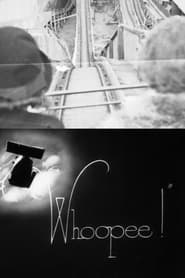
Short film from the British Pathé collection about an amusement park in Germany - various rides are seen, including a Helter Skelter. Was an item in Eve's Film Review issue number 459.Simba: The King of the Beasts
1928
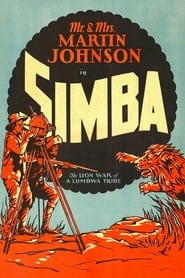
star 7Simba: The King of the Beasts is an 1928 American black-and-white silent documentary film, directed by Martin and Osa Johnson, which features the couple's four-year expedition to track the lion across Kenyan veld to his lair.