New Documentary Movies on Amazon Video - Page 431
All Services
Free Services
 Netflix
 Amazon Prime Video
 Apple iTunes
 Apple TV Plus
 Disney Plus
 Google Play Movies
 Paramount Plus
 Hulu
Hulu
 HBO Max
 YouTube
 fuboTV
 Peacock
 Peacock Premium
 Amazon Video
 The Roku Channel
 AMC+
AMC on Demand
AMC+
AMC on Demand
 Kocowa
 Hoopla
 The CW
 Vudu
Vudu
 Starz
Starz
 Showtime
 PBS
PBS
 Pantaflix
 FXNow
FXNow
 Tubi TV
 Kanopy
 Comedy Central
 Crunchyroll
 Microsoft Store
 Redbox
 Sun Nxt
 ABC
ABC
 DIRECTV
 Crackle
 Fandor
 Plex
Plex
Netflix
Amazon Prime Video
Apple iTunes
Apple TV Plus
Disney Plus
Google Play Movies
Paramount Plus
Hulu
HBO Max
YouTube
fuboTV
Peacock
Peacock Premium
Amazon Video
The Roku Channel
AMC+
AMC on Demand
Kocowa
Hoopla
The CW
Vudu
Starz
Showtime
PBS
Pantaflix
FXNow
Tubi TV
Kanopy
Comedy Central
Crunchyroll
Microsoft Store
Redbox
Sun Nxt
ABC
DIRECTV
Crackle
Fandor
Plex

Secret of Water
2015
Secret of Water
2015
star 4.7Water – a living substance, the most common and least understood. It defies the basic laws of physics, yet holds the keys to life. Known to ancients as a transmitter to and from the higher realms, water retains memory and conveys information to DNA. However, water can die if treated poorly. Influences such as sound, thoughts, intention, as well as toxins such as chlorine, structure water’s molecular arrangement– affecting all it comes in contact with. Prominent scientists help reveal the secret of water, allowing us to use this amazing element to heal ourselves and our planet. The movie features Nassim Haramein, Patrick Flanagan, Dr. Masaru Emoto, Konstantin Korotkov, Lynne McTaggart, and Larry Dossey.Brothers
2015
Brothers
2015
star 6.9A film about the close relationship between two brothers. Markus (10) and Lukas (7) live in an old, yellow townhouse in the middle of Oslo. The river runs close to their home. A paradise in the heart of a big city. Here the brothers grow up with their dreams and longings for the future.We Like It Like That
2015
We Like It Like That
2015
Latin boogaloo is New York City. It is a product of the melting pot, a colorful expression of 1960s Latino soul, straight from the streets of El Barrio, the South Bronx and Brooklyn. Starring Latin boogaloo legends like Joe Bataan, Johnny Colon and Pete Rodriguez, We Like It Like That explores this lesser-known, but pivotal moment in Latin music history, through original interviews, music recordings, live performances, dancing and rare archival footage and images. From its origins to its recent resurgence in popularity, We Like It Like That tells the story of a sound that redefined a generation and was too funky to keep down.Landfill Harmonic
2015
Landfill Harmonic
2015
star 7.6"Landfill Harmonic" follows the Recycled Orchestra of Cateura, a Paraguayan musical group that plays instruments made entirely out of garbage. When their story goes viral, the orchestra is catapulted into the global spotlight. Under the guidance of idealistic music director Favio Chavez, the orchestra must navigate a strange new world of arenas and sold-out concerts. However, when a natural disaster strikes their country, Favio must find a way to keep the orchestra intact and provide a source of hope for their town. The film is a testament to the transformative power of music and the resilience of the human spirit.Danny Says
2015
Danny Says
2015
star 6.9DANNY SAYS is a documentary unveiling the amazing journey of Danny Fields. Fields has played a pivotal role in music and culture with seminal acts including: the Doors, the Velvet Underground, the Stooges, MC5, Nico, the Ramones and beyond.A Space Program
2015
A Space Program
2015
star 6.2The artist Tom Sachs and his team of bricoleurs build a handmade space program and send two female astronauts to MarsThe Space Shuttle: Flying for Me
2015
A celebration of 30 years of NASA achievements with the space shuttle program. The program highlights memorable shuttle missions such as the return of Senator John Glenn to space and the construction of the International Space Station, while exploring the growing diversity among the astronaut corps and space industry personnel.Planetary
2015
Planetary
2015
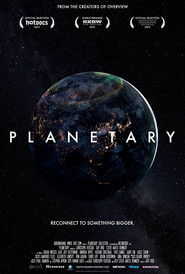
star 7.3Planetary presents a stunning visual portrait of our Earth, taking us on a journey across continents: from the African savannah to the Himalayas, and from the heart of Tokyo to the view of our fragile planet from orbit. Through intimate interviews with a diversity of people, from NASA astronauts and environmentalists to philosophers and Tibetan lamas, the film explores our shared future. It suggests that the key to transforming our civilisation lies in an understanding that all life is inseparably interconnected, and that we cannot change the world unless we change the way we see ourselves, our planet, and the wider cosmos we are embedded within.Made in Japan
2015
Made in Japan
2015
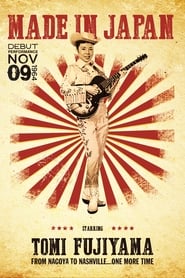
star 5Made in Japan is the remarkable story of Tomi Fujiyama, the first female Japanese country music star. From playing the USO circuit throughout Asia to headlining in Las Vegas and recording 7 albums for Columbia records, Tomi’s career culminates in a 1964 performance at The Grand Ole Opry where she followed Johnny Cash and received the only standing ovation of the night. Forty years later, Tomi and her husband set out on a journey through Japan and across the United States to fulfill a dream of performing at The Opry one more time. Made in Japan is a funny yet poignant multi-cultural journey through music, marriage, and the impact of the corporate world on the dreams of one woman.Poached
2015
Poached
2015
star 5.3Obsessive egg thieves rob the nests of rare birds while a UK national police initiative named “Operation Easter” tries to stop them. Money is not a factor for these bandits. They are motivated by both their passion for the beauty of the egg as well as the thrill of the chase. Thousands of eggs confiscated in police raids have been found strapped under beds, beneath floorboards, and in secret rooms. With unprecedented access to the most notorious and inconspicuous perpetrators, Poached delves into the psychology of these wildlife criminals as they confront their obsession. Ultimately showing when passion turns to obsession, it can destroy the very object of one’s desire.A Woman Like Me
2015
A Woman Like Me
2015
star 6.4A WOMAN LIKE ME is a hybrid documentary that interweaves the real story of director Alex Sichel, diagnosed with metastatic breast cancer in 2011, with the fictional story of Anna Seashell, who struggles to find the glass half full when faced with the same diagnosis. The film follows Alex as she uses her craft to explore what is foremost on her mind while confronting a terminal disease: parenting, marriage, faith, life, and death. When we are stuck between a rock and hard place, can our imagination get us out?Out of Nothing
2015
Out of Nothing
2015
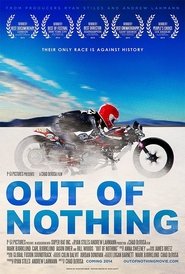
star 8.3From the Pacific Northwest to the Bonneville Salt Flats in Utah, this is the inspiring true story of four tenacious men who risk everything to conquer the world records of motorcycle land speed racing. Their extraordinary journey will remind you how perseverance against all odds can send the most unlikely men roaring into glory.Zen & the Art of Dying
2015
star 5.5Zenith Virago is an activist and educator who for over 20 years has been returning the coastal region of Byron Bay, Australia to a more communal, celebratory, and creative engagement with death and dying.The Damned: Don't You Wish That We Were Dead
2015
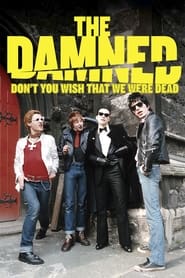
star 7.7From Lemmy filmmaker Wes Orshoski comes the story of the long-ignored pioneers of punk: The Damned, the first U.K. punks on wax and the first to cross the Atlantic. This authorized film includes appearances from Chrissie Hynde, Mick Jones (The Clash), Lemmy and members of Pink Floyd, Black Flag, GNR, the Sex Pistols, Blondie, Buzzcocks, and more. Shot around the globe over three years, the film charts the band's complex history and infighting, as it celebrated its 35th anniversary and found its estranged former members striking out on their own anniversary tour, while still others battle cancer.Tab Hunter Confidential
2015
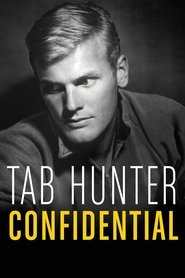
star 7.3Throughout the 1950s, Tab Hunter reigned as Hollywood’s ultimate male heartthrob. But throughout his years of stardom, Tab had a secret. Tab Hunter was gay, and spent his Hollywood years in a precarious closet that repeatedly threatened to implode and destroy him. Tab Hunter himself shares first hand, for the first time, what it was like to be a studio manufactured movie star during the Golden Age of Hollywood and the consequences of being someone totally different from his studio manufactured image.Madina's Dream
2015
Madina's Dream
2015
An unflinching and poetic glimpse into a forgotten war, Madina’s Dream tells the story of rebels and refugees fighting to survive in Sudan’s Nuba Mountains. After decades of civil war, South Sudan achieved its independence from Sudan in 2011. But inside Sudan, the conflict continues. Sudan’s government employs aerial bombings and starvation warfare against the inhabitants of the Nuba Mountains. Hundreds of thousands of civilians have fled to refugee camps in South Sudan or remain trapped in the war zone. Eleven- year -old Madina and countless others dream of a brighter future for the Nuban people.Sweaty Betty
2015
Sweaty Betty
2015
star 6On the border of Washington DC, two stories of big dreams take place – a family is determined to turn their 1000 pound pig into the Redskins’ football team mascot, and two teenage fathers scheme a better life for themselves and their children.Deep Web
2015
Deep Web
2015
star 6.8Deep Web gives the inside story of one of the most important and riveting digital crime sagas of the century -- the arrest of Ross William Ulbricht, the 30-year-old entrepreneur convicted of being 'Dread Pirate Roberts,' creator and operator of online black market Silk Road. As the only film with exclusive access to the Ulbricht family, Deep Web explores how the brightest minds and thought leaders behind the Deep Web and Bitcoin are now caught in the crosshairs of the battle for control of a future inextricably linked to technology, with our digital rights hanging in the balance.Mavis!
2015
Mavis!
2015
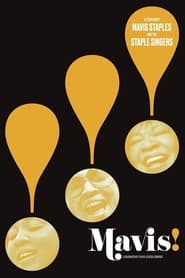
star 6.9A look at the life and music of legendary singer and civil rights activist, Mavis Staples.The Secret File Of Marco Polo
2015
star 5While it has been debated for many years, new evidence might finally put one debate to rest: Marco Polo has gone to China. Explore the mysteries of the historical figure in this documentary.