New Documentary Movies on Amazon Video - Page 448
All Services
Free Services
 Netflix
 Amazon Prime Video
 Apple iTunes
 Apple TV Plus
 Disney Plus
 Google Play Movies
 Paramount Plus
 Hulu
Hulu
 HBO Max
 YouTube
 fuboTV
 Peacock
 Peacock Premium
 Amazon Video
 The Roku Channel
 AMC+
AMC on Demand
AMC+
AMC on Demand
 Kocowa
 Hoopla
 The CW
 Vudu
Vudu
 Starz
Starz
 Showtime
 PBS
PBS
 Pantaflix
 FXNow
FXNow
 Tubi TV
 Kanopy
 Comedy Central
 Crunchyroll
 Microsoft Store
 Redbox
 Sun Nxt
 ABC
ABC
 DIRECTV
 Crackle
 Fandor
 Plex
Plex
Netflix
Amazon Prime Video
Apple iTunes
Apple TV Plus
Disney Plus
Google Play Movies
Paramount Plus
Hulu
HBO Max
YouTube
fuboTV
Peacock
Peacock Premium
Amazon Video
The Roku Channel
AMC+
AMC on Demand
Kocowa
Hoopla
The CW
Vudu
Starz
Showtime
PBS
Pantaflix
FXNow
Tubi TV
Kanopy
Comedy Central
Crunchyroll
Microsoft Store
Redbox
Sun Nxt
ABC
DIRECTV
Crackle
Fandor
Plex

FEMMEfille
2014
FEMMEfille
2014
star 9The story of Isabelle Caro, Oliviero Toscani's NO-Anorexia model who rose to fame after his campaign. Diving through different passages of time, with the aid of family photos as well as video diaries left behind, we see a kaleidoscope of Isabelle's life and the world that surrounded her.All Things Ablaze
2014
All Things Ablaze
2014
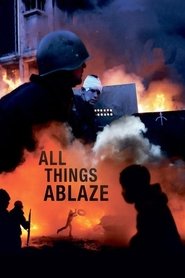
star 6.5What does the violent heart of revolution feel like? As the anger and hatred glow white hot is there a language its players use to speak to one another? And what becomes of the gun toting authorities when their fiefdom is destroyed, nobody is any longer afraid, and all things are ablaze? Just some of the questions addressed in this visceral documentary from Maidan square in the violent Ukrainian winter of 2013-14.Beneath the Helmet
2014
Beneath the Helmet
2014
star 9.3Beneath the Helmet: From High School to the Home Front is a coming of age story that highlights five young Israeli high school graduates, who are drafted into the army to defend their country. At the age of 18, away from their houses, family, and friends these young individuals undergo a demanding journey, revealing the core of who they are and who they want to be. From the creators of the PBS-featured documentary film Israel Inside: How a Small Nation Makes a Big Difference, the film Beneath the Helmet illustrates how these young men and women are protecting not only their homes, but the shared values of peace, equality, opportunity, democracy, religious tolerance and women's rights. The lessons they learn along the way, are lessons that can be adapted, understood and appreciated by everyone.The Return
2014
The Return
2014
With no access to their heritage, four women are forging a new sense of self. In the country that was once the epicenter of the Jewish world, and now regarded as “the Jewish graveyard,” they are figuring out how to be Jewish in today’s Poland.Morphine: Journey of Dreams
2014
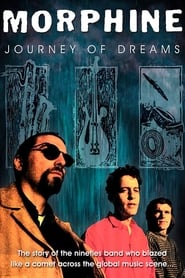
star 7.2The band Morphine blazed like a comet across the global music scene in the 1990s with its innovative “Low Rock” sound. Fronted by two-string bassist/vocalist/songwriter Mark Sandman, the trio rose from local Boston clubs to indie and major label record deals, international touring, and wide critical acclaim until their tragic and untimely demise in 1999. In “Morphine: Journey of Dreams,” the group’s surviving members and associates tell their story intercut with passages from saxophonist Dana Colley’s vivid tour journals. Rare live performances from throughout their career woven into the story display why their unique and mesmeric sound continues to resonate with music lovers today. This artfully- delivered documentary doesn’t just get behind but rather inside the music and the soul of the group to honor Morphine’s notable artistic achievements and the creative bond the musicians shared. (LVFF)Katy Perry: Getting Intimate
2014
star 5.8Just in time for her latest album and tour, delve deep into the pop phenomenon that is Katy Perry. From her cherry chap-stick beginnings, transformation after her marriage and now to her newest release, this diva is just hitting her stride as her fourth album just dropped.Horse Tribe
2014
Horse Tribe
2014
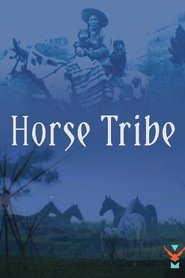
Legendary as one of America's greatest horse tribes, the 21st century Nez Perce decided to bring horses back to their land and lives with the unlikely help of a charismatic Navajo horseman, Rudy Shebala. His mentorship guides at-risk teenagers toward the strong medicine of horses, and his equine skills bring historic Nez Perce horse culture to modern renown. But his personal demons imperil both accomplishments.Gettysburg - An American Story
2014
The 1st Minnesota Volunteer Infantry Regiment fought bravely and gallantly during the Civil War. Their regiment was the first to sign up for the Union army and arrived at Gettysburg with less than 300 survivors. Many more would sacrifice their lives there as the men of the 1st Minnesota were twice at the center of a battle that decided America?s future. As the US commemorates the 150 year anniversary of Gettysburg, HUSH follows their journey from 1861 to 1865, through the milestones of the Civil War into the deciding battles of the historic conflict, and asks: What was the war really all about? What role did slavery and civil rights play in the conflict? What did the brave men and women fight for, and why is it still relevant to American politics and society today.Red Dot on the Ocean: The Matt Rutherford Story
2014
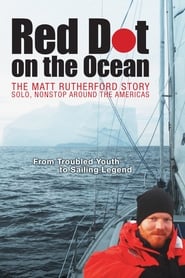
star 7Red Dot on the Ocean is the story of Matt Rutherford, a severely troubled youth, who became a sailing legend. Departing Annapolis, MD in a scrappy old 27-foot fiberglass sloop without fanfare, 30-year-old Rutherford braved the icebergs of the arctic and mountainous waves of Cape Horn to become the only person to ever sail single-handed, non-stop around the Americas; a 27,000 mile journey many professional sailors declared "a suicide mission."The Serbian Lawyer
2014
The Serbian Lawyer
2014
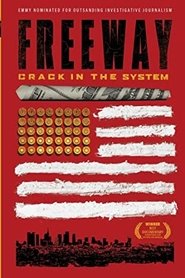
star 7Ten years after fleeing the regime in Serbia, Marko finds himself defending some of the very people that he fought against while he lived there, including the notorious Radovan Karadzic.Freeway: Crack in the System
2014
star 7.3FREEWAY: CRACK IN THE SYSTEM tells the story of broken dreams, drug dealers, dirty cops, and government complicity—more compelling than fiction, it’s the real story behind America’s longest war. This documentary by award-winning filmmaker Marc Levin (SLAM, Mr. Untouchable, Brick City) exposes how the infiltration of crack cocaine destroyed inner-city neighborhoods across the country. At the center of it all is the rise, fall and redemption of Freeway Rick Ross, a street hustler who became the King of Crack, and journalist Gary Webb, who broke the story of the CIA’s complicity in the drug war. Featuring exclusive interviews with Freeway Rick Ross, not to be confused with the rapper who took his name Pulitzer Prize winning journalist Gary Webb, his source Coral Baca, and wife Susan Webb former Los Angeles Deputy Sheriff Roberto Juarez drug trafficker Julio Zavala and many more.The Last Patrol
2014
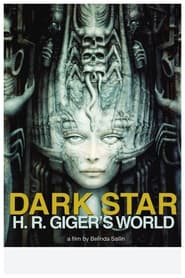
Dark Star: H. R. Giger's World
2014
star 6.9An account of the life and work of Swiss painter, sculptor, architect and designer H. R. Giger (1940-2014), tormented father of creatures as fearsome as they are fascinating, inhabitants of nightmarish biomechanical worlds.Of Men and War
2014
Of Men and War
2014
star 6.9Filmed over five years, this documentary charts the progress of several veterans dealing with post-traumatic stress disorder at a California clinic.Almost Ablaze
2014
Almost Ablaze
2014
star 8.3Awarded "Film Of The Year" at the 2014 International Freeski Film Festival, TGR's Almost Ablaze is a global odyssey combining state-of-the-art cinematography and the most progressive riding on The Planet. Experience a new level of sensory overload as each athlete is wired for sound, immersing the audience completely in the moment. Watch as athletes push the edge to realize a heightened state.Winston Churchill: A Giant in the Century
2014
star 8A new look at the public and private life of one of the most important statesmen in the history of Europe: Winston Churchill (1874-1965), soldier, politician, writer, painter, leader of his country in the darkest hours, winner of the Nobel Prize in Literature, a myth, a giant of the 20th century.In the Turn
2014
In the Turn
2014
star 5Seeking identity and bullied daily, a 10-year-old transgender girl in rural Canada and her family struggle with the emotional pressures of her battle.Atlantis
2014
Atlantis
2014
star 6.4A documentary portrait of Utopia, loosely framed by Plato’s invocation of the lost continent of Atlantis in 360 BC and its re-resurrection via a 1970s science fiction pulp novel.Down in Shadowland
2014
Down in Shadowland
2014
star 7.8A seven year project involving filming on NYC subway. Camera observes people and events unaware they are being filmed. Emotional, intimate and deeply human. All done by director Tom DiCillo. He shot, edited and mixed the film by himself with the aim of making a film without any financial or marketing restrictions.SmoKings
2014
SmoKings
2014
star 7.9The Messina brothers are Yesmoke, a little tobacco company based in modern day Turin, Italy. Originally, Yesmoke was an online store for cigarettes selling its products all over the world. Every day millions of people would buy cheap packets of Marlboro, Camels and Lucky Strikes online. When sales reached over one hundred million, "Big Tobacco" started to fight the "Little Guys" and sued them for 550 Million dollars, obligating them to shut their website down.