New Documentary Movies on Free Services - Page 293
All Services
Free Services
 Netflix
 Amazon Prime Video
 Apple iTunes
 Apple TV Plus
 Disney Plus
 Google Play Movies
 Paramount Plus
 Hulu
Hulu
 HBO Max
 YouTube
 fuboTV
 Peacock
 Peacock Premium
 Amazon Video
 The Roku Channel
 AMC+
AMC on Demand
AMC+
AMC on Demand
 Kocowa
 Hoopla
 The CW
 Vudu
Vudu
 Starz
Starz
 Showtime
 PBS
PBS
 Pantaflix
 FXNow
FXNow
 Tubi TV
 Kanopy
 Comedy Central
 Crunchyroll
 Microsoft Store
 Redbox
 Sun Nxt
 ABC
ABC
 DIRECTV
 Crackle
 Fandor
 Plex
Plex
Netflix
Amazon Prime Video
Apple iTunes
Apple TV Plus
Disney Plus
Google Play Movies
Paramount Plus
Hulu
HBO Max
YouTube
fuboTV
Peacock
Peacock Premium
Amazon Video
The Roku Channel
AMC+
AMC on Demand
Kocowa
Hoopla
The CW
Vudu
Starz
Showtime
PBS
Pantaflix
FXNow
Tubi TV
Kanopy
Comedy Central
Crunchyroll
Microsoft Store
Redbox
Sun Nxt
ABC
DIRECTV
Crackle
Fandor
Plex

George: The Story of George Maciunas and Fluxus
2018
star 7In 1961 Lithuanian American artist and impresario George Maciunas established the avant-garde art movement Fluxus. George details the rise of Fluxus following a sensationalized tour of “concerts” in Europe in 1962, and continuing in New York for most of the 1960s and ’70s. During this time Maciunas was converting the dying industrial buildings of Soho into a network of artists’ lofts, creating one of the first official real estate co-ops of artist-owned buildings. Maciunas’s life and legacy—as recounted by artists of his generation, including Yoko Ono and Jonas Mekas—ignited debates that remain pivotal to artists working today.Cuban Food Stories
2018
Cuban Food Stories
2018
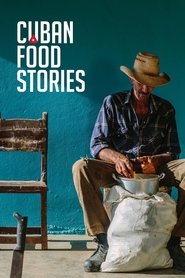
star 6.3After ten years living as an expat in the United States, Asori Soto decides to return to his homeland of Cuba to search for the missing flavors of his childhood. This is a journey to discover culinary traditions long thought lost due to the hardship that Cuba survived after the collapse of the Soviet Union.Yours in Sisterhood
2018
Yours in Sisterhood
2018
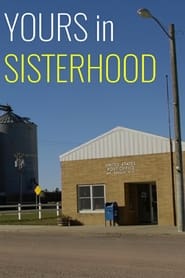
star 4.2What might be revealed in the process of inviting strangers to act out and respond to 1970s feminism forty years later? Between 2015 and 2017, hundreds of strangers in communities all over the US were invited to read aloud and respond to letters from the 70s sent to the editor of Ms. Magazine–the first mainstream feminist magazine in the US. The intimate, provocative, and sometimes heartbreaking conversations that emerge from these spontaneous performances make us think critically about the past, present, and future of feminism.Franco on Trial: The Spanish Nuremberg?
2018
Franco on Trial is the new film by Dietmar Post and Lucía Palacios. After the success of Franco's Settlers, their first encounter with Franco's dictatorship, they are now setting their sights on one of the darkest chapters of European history: the presumed organized extermination that took place during the coup, the war, and the subsequent dictatorship led by Franco, as well as Argentina's current effort, by invoking the principle of universal jurisdiction, to prosecute Francoists accused of committing crimes against humanity. The film is also a sore reminder of an issue that still stands today: the clear-cut accountability held by Germany, Italy, and Portugal. The film accomplishes to give both sides a voice - those against whom the killing has been directed; and the side of the perpetrators.Neat: The Story of Bourbon
2018
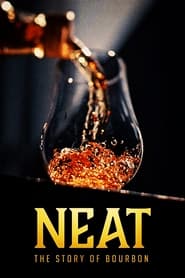
star 7.1Neat is a documentary that dives into the rich and storied world of bourbon. Exploring it's colorful history, charismatic characters, and uniquely American process, the film is a celebration of the time, artistry, and relationships that make for America's only native spirit.Our Blood Is Wine
2018
Our Blood Is Wine
2018
star 6.2Filmmaker Emily Railsback and award-winning sommelier Jeremy Quinn provide intimate access to rural family life in the Republic of Georgia as they explore the rebirth of 8,000-year-old wine-making traditions almost lost during the period of Soviet rule.The Fight of Our Lives: Defeating the Ideological War Against the West
2018
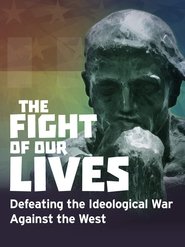
star 10The Fight of Our Lives - Defeating the Ideological War Against the West is a hard-hitting new documentary film by Gloria Z. Greenfield that examines the internal and external threats facing the West. "There are two threats facing the West, and they are linked. There's the threat from within, and the threat from without," states Melanie Phillips. "And the threat from without is made much more threatening by the threat from within."February 27th
2018
A Long Way from Home: The Untold Story of Baseball's Desegregation
2018
Jackie Robinson broke baseball’s color line in 1947, but it took another generation of Black and Latino players to make the sport truly open to all. Playing in remote minor-league towns, these were the men who, before they could live their big-league dreams, first had to beat Jim Crow.The Trouble with Wolves
2018
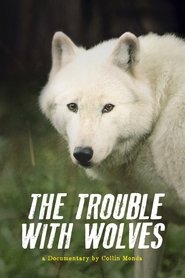
Death threats, court battles, and an iconic endangered species in middle, The Trouble With Wolves takes an up close look at the most heated and controversial wildlife conservation debate of our time. The film aims to find out whether coexistence is really possible by hearing from the people directly involved.Moving Stories
2018
Moving Stories
2018
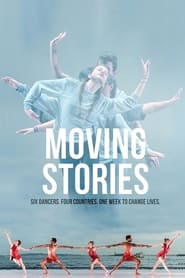
star 10Six dancers from the acclaimed Battery Dance company travel the world, working with young people who've experienced war, poverty, prejudice, sexual exploitation, and severe trauma as refugees.Koka, the Butcher
2018
Koka, the Butcher
2018
A young pigeon fighter in Cairo leads his neighbourhood into the final battle. While pigeons may symbolize peace, here they reflect martial spirit and pride.Usedom: A Clear View of the Sea
2018
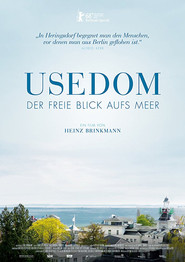
For Berliners, the Baltic island of Usedom was once the most luxurious destination for excursions within striking distance of the city. This is where imperial Germany’s grand health resorts of Bansin, Heringsdorf and Ahlbeck were built. Heinz Brinkmann, who was born in Heringsdorf, traces the eventful history of his island.Lives Well Lived
2018
Lives Well Lived
2018
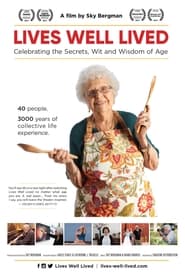
star 7.5Lives Well Lived celebrates the incredible wit, wisdom and experiences of adults aged 75 to 100 years old. Through their intimate memories and inspiring personal histories encompassing over 3000 years of experience, forty people share their secrets and insights to living a meaningful life. These men and women open the vault on their journey into old age through family histories, personal triumph and tragedies, loves and losses - seeing the best and worst of humanity along the way. Their stories will make you laugh, perhaps cry, but mostly inspire you.What Comes Around
2018
What Comes Around
2018
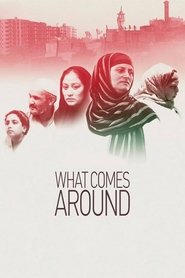
In Rod El Farag, one of the poorest residential areas in Cairo, obtaining meat, fruit and daily bread is a constant struggle. But the sense of community shared by the inhabitants there helps them to some extent overcome their hardships through a social practice known as ‘al Gami’ya’, or ‘the assembly’.Obscuro Barroco
2018
Obscuro Barroco
2018
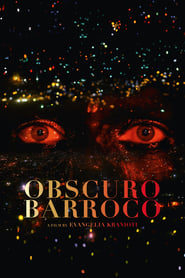
star 6.5A stream of consciousness from Brazil’s underground flows straight into the heart of the city’s street carnival. In between the masks and the make-up, the young, naked and new bodies and a spectacular firework display, people come into view who have undergone a transformation that makes it difficult to clearly ascribe them to any gender.Poop Talk
2018
Poop Talk
2018
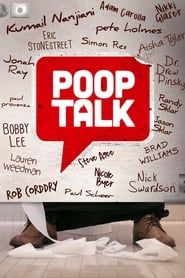
star 4.5Comedians take a hilariously uncensored look at a taboo topic, sharing their most embarrassing stories about an act that everyone can relate to.Saving Atlantis
2018
Saving Atlantis
2018
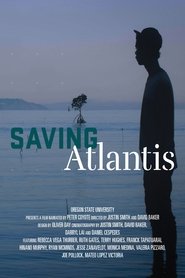
Forty percent of the world's coral reefs have been lost due to human activity. But we aren't going to lose any more without a fight. This is the story of the human cost of the coral reef decline and the people struggling to save what remains.How Healthy Is Our Bread?
2018
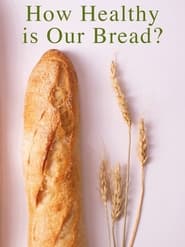
More and more people are suffering from wheat and gluten intolerance. Wheat protein was long considered to be the cause of this scourge, and today gluten free products are on all the supermarket shelves. However, there is now increasing suspicion that it is not wheat but how it is processed that makes bread a potentially unhealthy food. Industrial processes simply do not give bread enough time to mature. More and more bakeries are reacting to this by introducing former production methods and ingredients such as champagne rye, emmer or in vogue chia seeds. Bread is baked according to old recipes, sometimes using home grown and home milled grains.Cultured Bigfoot
2018