New Documentary Movies on Free Services - Page 329
All Services
Free Services
 Netflix
 Amazon Prime Video
 Apple iTunes
 Apple TV Plus
 Disney Plus
 Google Play Movies
 Paramount Plus
 Hulu
Hulu
 HBO Max
 YouTube
 fuboTV
 Peacock
 Peacock Premium
 Amazon Video
 The Roku Channel
 AMC+
AMC on Demand
AMC+
AMC on Demand
 Kocowa
 Hoopla
 The CW
 Vudu
Vudu
 Starz
Starz
 Showtime
 PBS
PBS
 Pantaflix
 FXNow
FXNow
 Tubi TV
 Kanopy
 Comedy Central
 Crunchyroll
 Microsoft Store
 Redbox
 Sun Nxt
 ABC
ABC
 DIRECTV
 Crackle
 Fandor
 Plex
Plex
Netflix
Amazon Prime Video
Apple iTunes
Apple TV Plus
Disney Plus
Google Play Movies
Paramount Plus
Hulu
HBO Max
YouTube
fuboTV
Peacock
Peacock Premium
Amazon Video
The Roku Channel
AMC+
AMC on Demand
Kocowa
Hoopla
The CW
Vudu
Starz
Showtime
PBS
Pantaflix
FXNow
Tubi TV
Kanopy
Comedy Central
Crunchyroll
Microsoft Store
Redbox
Sun Nxt
ABC
DIRECTV
Crackle
Fandor
Plex

Elián
2017
Elián
2017
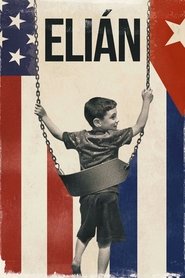
star 6.5The story of Elián Gonzalez, a five-year-old Cuban boy plucked from the Florida Straits, and how the fight for his future changed the course of U.S.-Cuba relations. Featuring personal testimony, interviews, and a news archive, this documentary recounts Elián’s remarkable rescue on Thanksgiving Day in 1999, after his mother and 10 others fleeing Cuba perished at sea, and the custody battle between the boy’s Cuban father and his Miami-based relatives.Citizen Jane: Battle for the City
2017
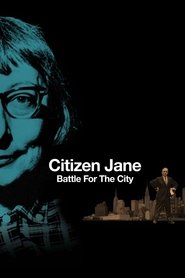
star 6.8Writer and urban activist Jane Jacobs fights to save historic New York City during the ruthless redevelopment era of urban planner Robert Moses in the 1960s.Shadowman
2017
Shadowman
2017
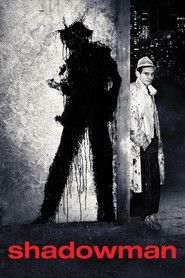
star 4.5Richard Hambleton was a founder of the street art movement before succumbing to drugs and homelessness. Rediscovered 20 years later, he gets a second chance. But will he take it?Watched
2017
Watched
2017
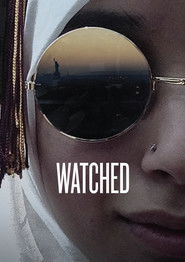
This short 19-minute documentary is an intimate and moving exploration of the profound and far-reaching impact of surveillance on Muslim American individuals and communities. Premiering at the 2017 Tribeca Film Festival, WATCHED is told through the personal experience of two women, both coming of age in New York. The film charts the devastating toll of surveillance and reveals the scars it leaves behind.Love the Sinner
2017
Love the Sinner
2017
star 1A short documentary exploring the connection between Christianity and homophobia in the wake of the shooting at Pulse nightclub in Orlando.Little Stones
2017
Little Stones
2017
star 5From a graffiti artist speaking out against domestic violence in the favelas of Brazil to a dancer rehabilitating sex-trafficking survivors in India, Little Stones profiles four women, each of whom are contributing a stone to the mosaic of the women’s movement through their art. The film and accompanying education initiative have been designed to raise awareness about global women’s rights issues, and to celebrate creative, entrepreneurial, and arts-therapy based solutions to the most pressing challenges facing women globally.No Man's Land
2017
No Man's Land
2017
star 6In January 2016, armed protestors in Oregon occupied the Malheur National Wildlife Refuge to call attention to what they felt was an intrusion by the federal government into their right to make a living. In a larger sense, the “patriot community” introduced itself as disgruntled American citizens with grounds for airing their grievances against a federal government that didn’t have their best interests at heart. The federal government begged to differ.The Sensitives
2017
The Sensitives
2017
star 5.5In Drew Xanthopoulos’ intimate and cinematic documentary, we meet Joe, a patriarch whose affliction is so all-encompassing that he’s indifferent to his long-suffering wife; and twin brothers Sam and Nathan, musicians who are no longer able to breathe outside of their real-life sterile “plastic bubble,” and whose mother, Karen, developed her illness when she was only 17. These characters all suffer from debilitating sensitivities to their environment. Whether from ambient chemicals, genetics, electricity, or even psychogenic reasons, the cause is not clear, but the reality of the effects on these individuals is undeniable. Fortunately, Susie Molloy, a quiet firebrand who is chemically sensitive herself, seeks to help. In her, those afflicted by this modern malady have found an advocate whose mission is to de-stigmatize this community, and in telling their stories, Xanthopoulos has crafted a film itself as deeply sensitive as its title suggests. Cara CusumanoGilbert
2017
Gilbert
2017
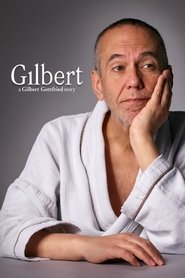
star 6.7The life and career of one of comedy's most inimitable modern voices, Mr. Gilbert Gottfried.Meeting Snowden
2017
Meeting Snowden
2017
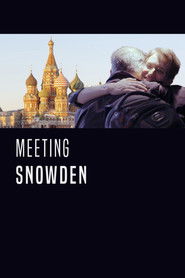
star 7Moscow, Russia, December 2016. Edward Snowden, Larry Lessig and Birgitta Jónsdóttir meet for the first time in a secret place. Apparently, Russia is interfering in the US presidential elections while it mourns the death of its ambassador to Turkey. Snowden carefully chooses his interviews, so nobody really knows something about him. As the world prepares for Christmas, they gather to discuss the only issue that matters, their common struggle: how to save democracy.In the Wake of Ghost Ship
2017
After the horrific Oakland Ghost Ship tragedy, a Richmond, CA, building known as Burnt Ramen comes under the scrutiny of local officials.Grand Coulee Dam
2017
Grand Coulee Dam
2017
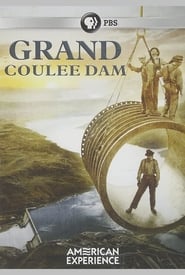
star 6During the darkest days of the Depression when construction was started on Grand Coulee Dam, everything about it was described in superlatives. It would be the "Biggest Thing on Earth," the salvation of the common man, a dam and irrigation project that would make the desert bloom, a source of cheap power that would boost an entire region of the country. Of the many public works projects of the New Deal, Grand Coulee Dam loomed largest in America's imagination, promising to fulfill President Franklin Roosevelt's vision for a "planned promised land" where hard-working farm families would finally be free from the drought and dislocation caused by the elements.L.A. Burning: The Riots 25 Years Later
2017
star 7.5Documentary film exploring the lives of the people at the flashpoint of the LA riots, 25 years after the uprising made national headlines and highlighted the racial divide in America.Nervous Laughter
2017
Nervous Laughter
2017
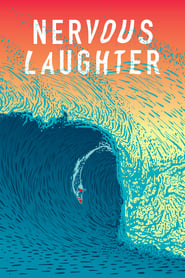
When winter swells collide with a chunk of reef off the north shore of Maui, massive waves up to 60 feet rise and crash to create the best big wave on earth. It’s called Peahi, or “Jaws,” and every year it attracts dozens of elite surfers from around the world to attempt the lethal wave. More and more, however, it’s the local crew that steals the show. An eclectic group childhood friends that followed each other into the Jaws lineup as teenagers, and through peer pressure and rivalries, pushed each other to unprecedented performances in the ensuing years. Then came the El Niño of 2016, which promised to serve up the largest swells in big-wave history. Follow the crew for an inside look at a season rife with nerves, injury, triumph and friendship.Empathy
2017
Empathy
2017
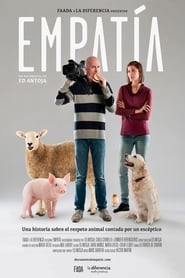
star 6.6Ed is commissioned to make a documentary intending to change those habits of society that are harmful to animals. But completely alien to the animal protection movement, he will realize that to carry out the project, he must first convince himself.Hunting the KGB Killers
2017
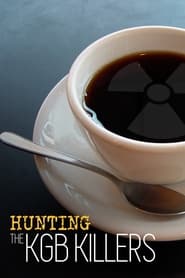
star 6.4The inside story of Alexander Litvinenko's murder in London and the subsequent international manhunt that led to the Kremlin, told in full for the first time, with exclusive access to key individuals.Graphic Means: A History of Graphic Design Production
2017
star 7Up until just over 30 years ago, when the desktop computer debuted, the whole design production process would have been done primarily by hand, and with the aide of analog machines. The design and print industries used a variety of ways to get type and image onto film, plates, and finally to the printed page. Graphic Means is a journey through this transformative Mad Men-era of pre-digital design production to the advent of the desktop computer. It explores the methods, tools, and evolving social roles that gave rise to the graphic design industry as we know it today.Last Days of Chinatown
2017
Detroit's Cass Corridor, one of the roughest areas in the city for the past 100 years, is experiencing a complete overhaul, as long-awaited development finally sweeps the area. Long known as a center of drugs and prostitution, and also once home to a thriving Chinese enclave, it’s now peppered with boutique shops, new bars and restaurants and the just-debuted Little Caesars Arena. This feature from noted Detroit artist Nicole Macdonald mixes a personal, journalistic and historic approach as it looks at who and what remains in the Corridor. We hear how residents survived, and how they sometimes didn't, as gentrification redefines the space.3rd Reich: Hitler's UFOs and the Nazi's Most Powerful Weapon
2017
star 6.5The Nazi's possessed technology that was 100 years ahead of the allies. After being captured, many top scientists and psychiatrists of the elite Nazi regime, admitted that an outside force assisted them, and that the 3rd Reich's ultimate mandate was to create "the most powerful weapon." Hitler's UFO's is the story of the Nazis and the Aliens from outer space. Dark Secrets of the Nazis: Researchers now believe WWII was the result of a massive, worldwide conspiracy by an elusive secret society known as the Illuminati. A secret sect so powerful they not only control economics and politics, but may very well be involved in manipulating society itself via advanced technology; while controlling staggering secret knowledge not shared with anyone, including the heads of nations.