New Documentary Movies on Free Services - Page 439
All Services
Free Services
 Netflix
 Amazon Prime Video
 Apple iTunes
 Apple TV Plus
 Disney Plus
 Google Play Movies
 Paramount Plus
 Hulu
Hulu
 HBO Max
 YouTube
 fuboTV
 Peacock
 Peacock Premium
 Amazon Video
 The Roku Channel
 AMC+
AMC on Demand
AMC+
AMC on Demand
 Kocowa
 Hoopla
 The CW
 Vudu
Vudu
 Starz
Starz
 Showtime
 PBS
PBS
 Pantaflix
 FXNow
FXNow
 Tubi TV
 Kanopy
 Comedy Central
 Crunchyroll
 Microsoft Store
 Redbox
 Sun Nxt
 ABC
ABC
 DIRECTV
 Crackle
 Fandor
 Plex
Plex
Netflix
Amazon Prime Video
Apple iTunes
Apple TV Plus
Disney Plus
Google Play Movies
Paramount Plus
Hulu
HBO Max
YouTube
fuboTV
Peacock
Peacock Premium
Amazon Video
The Roku Channel
AMC+
AMC on Demand
Kocowa
Hoopla
The CW
Vudu
Starz
Showtime
PBS
Pantaflix
FXNow
Tubi TV
Kanopy
Comedy Central
Crunchyroll
Microsoft Store
Redbox
Sun Nxt
ABC
DIRECTV
Crackle
Fandor
Plex

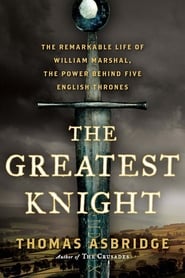
The Greatest Knight - William the Marshal
2014
star 6.2The fascinating story of knighthood, told through the extraordinary life and times of William Marshal, whom many consider the world's greatest knight. From Europe's medieval castles to the holy city of Jerusalem, presenter Thomas Asbridge explores William's incredible life, revealing a rip-roaring adventure story in the spirit of King Arthur's Knights of the Round Table. In a career that spanned half a century, this English soldier and statesman served some of Christendom's greatest leaders, from Eleanor of Aquitaine to Richard the Lionheart. Marshal fought in battles across Europe, survived court intrigue and exile, put his seal to the Magna Carta and proved to be the best friend a king could have, remaining loyal to those he served through disaster and victory. Then at the age of 70, despite all the odds, he saved England from a French invasion.I Am Divine
2014
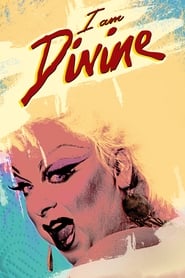
I Am Divine
2014
star 7.3Harris Glenn Milstead, aka Divine (1945-1988) was the ultimate outsider turned underground hero. Spitting in the face of the status quos of body image, gender identity, sexuality, and preconceived notions of beauty, Divine succeeded in becoming an internationally recognized icon, recording artist, and character actor of stage and screen. Glenn went from the often-mocked, schoolyard fat kid to underdog royalty, standing up for millions of gay men and women, drag queens and punk rockers, and countless other socially ostracized misfits and freaks. With a completely committed in-your-face style, he blurred the line between performer and personality, and revolutionized pop culture.Fresno
2014
Fresno
2014
star 6A film of and through the trees. Leaves catch, consume and resist the light through the seasons.Monk with a Camera
2014
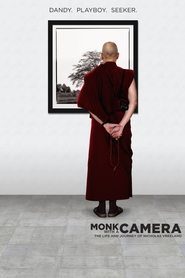
Monk with a Camera
2014
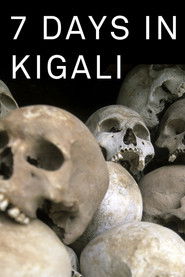
star 7.2Nicholas Vreeland walked away from a worldly life of privilege to become a Tibetan Buddhist monk. Grandson of legendary Vogue editor Diana Vreeland and apprentice of photographer Irving Penn, Nicholas' life changed drastically upon meeting one of the Dalai Lama's teachers. Soon thereafter, he gave up his glamorous life to live in a monastery in India, ultimately returning to his roots in photography to help his fellow monks rebuild their monastery.7 Days in Kigali, the week when Rwanda changed
2014
What happened in Rwanda in 1994 was not simply the spontaneous eruption of inter-ethnic hatred. It was planned genocide, on an industrial scale. Something that was prepared for at least a year in advance. Lists were made. Weapons were collected. RTLM radio spent months conditioning their audience to believe that one sector of their population represented a threat.Andrew W.K. Party Safari
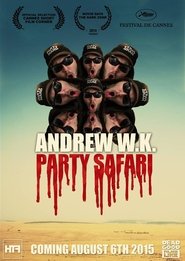
2014
Rockstar Andrew WK goes nuts in a wild life Park this documentary looks into the mysteries surrounding Andrew WKFinding Vivian Maier
2014
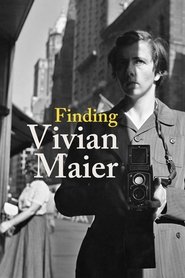
Finding Vivian Maier
2014
star 7.6Vivian Maier's photos were seemingly destined for obscurity, lost among the clutter of the countless objects she'd collected throughout her life. Instead these images have shaken the world of street photography and irrevocably changed the life of the man who brought them to the public eye. This film brings to life the interesting turns and travails of the improbable saga of John Maloof's discovery of Vivian Maier, unravelling this mysterious tale through her documentary films, photographs, odd collections and personal accounts from the people that knew her. What started as a blog to show her work quickly became a viral sensation in the photography world. Photos destined for the trash heap now line gallery exhibitions, a forthcoming book and this documentary film.Finding Gastón
2014
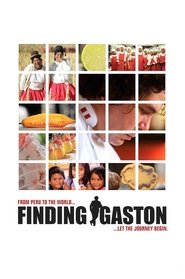
Finding Gastón
2014
star 6.6There are many great chefs around the world. Only one is considered to be a National hero. Meet chef Gaston Acurio and follow him in a journey to find out the stories, the inspirations and the dreams behind the man that has taken his cuisine outside the kitchen in a mission to change his country with food. Let this journey take you into the world of Peruvian cuisine to discover the power of food in Peru. Because the people that are passionate enough to believe they can make a difference are actually the ones who do.Clean Spirit: In the Heart of the Tour
2014
star 6A unique and compelling inside story of cycling team, Argos-Shimano, keen on showing that winning is possible without any use of doping.The Invisible Front
2014
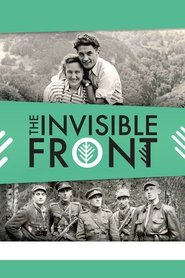
The Invisible Front
2014
star 5.8Between 1944–1953, courageous resistance movement took place in the Baltic region of Europe, uniting the partisan troops for struggle against the Soviet Union. “The Invisible Front” was a coded name used by the Soviet Interior forces to describe the resistance movement in Lithuania. Film depicts the story of the fighters through the words and experience of the partisan leader, Juozas Luksa, and interviews with eyewitnesses of those events - both the partisans and the Soviet fighters. Tales of horror, torture and courage are told in the rare archival footage that has never been screened before, and interviews with the surviving members of the resistance movement.Wes Anderson: Centered
2014
star 6.8As is made abundantly clear by this highly entertaining supercut of Wes Anderson’s films, the creator of such modern classics as The Royal Tenenbaums, Rushmore and The Grand Budapest Hotel is a BIG fan of symmetry.The Medicine Game
2014
The Medicine Game
2014
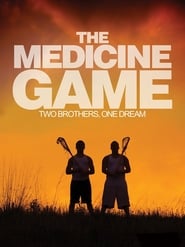
Two brothers from the Onondaga Nation pursue their dreams of playing lacrosse for national powerhouse Syracuse University. The obstacles in their way are frequent and daunting, but their love for the game, each other, and their family’s unyielding determination, propels these youth towards their dream.Ines, Memories of a Lifetime
2014
When Ines died, she left a very particular legacy, 10 books that read 'For my children'; it was the story of her life. Marked by a youth idyllic love, Ines was forced to marry a violent and womanizer man with whom she had 20 children. In the 50s, she managed to get divorce and 20 years after her death, Luisa, great-granddaughter of INES, reads, rescues and makes visible her history.Essay on love
2014
Essay on love
2014
star 10Essay on love is, above all, an experimental film. A hybrid of fiction and documentary, it brings reality and fantasy to discuss that which is the most important thing for some, and the least important thing for others: Love. Love is actually in every place and human activity we look at: art, business, advertising, sports, entertaining, religion, education, politics, etc. What is this thing that is so present in our lives? Why we are so desperate in having, possessing, idealizing or despising love? Everyone talks about it. Creates songs about it. Declares themselves to be loving human beings... What do they mean with all of this? "Essay on love" gives you a glimpse on this subject. On how people relates themselves to the concept of love, and as a film, is an attempt to approach this wonderful thing that love is, through cinema.Coming Back to the Hoop
2014
star 5.543 years ago Jane Pittman, a promising basketball star at her small town High School, ran off the court never to return ... until now. When Jane stumbles across the Nova United Senior Women's Basketball League, old passions are reignited. Vowing to get into the best shape of her life, she is determined to play competitive ball again. What she never expected to find on this journey is a passionate group of seniors who have decided to 'wear out, before we rust out'. Choosing basketball over bingo, these women come together for much more than sports. 'Coming Back To The Hoop' is a film about the transforming power of basketball and the healing it brings when you connect with something larger than yourself and give yourself over to the teamBig Men
2014
Big Men
2014
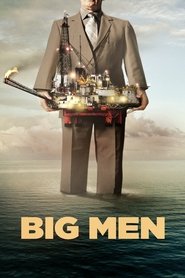
star 7.3For her latest industrial exposé, Rachel Boynton (Our Brand Is Crisis) gained unprecedented access to Africa's oil companies. The result is a gripping account of the costly personal tolls levied when American corporate interests pursue oil in places like Ghana and the Niger River Delta. Executive produced by Steven Shainberg and Brad Pitt, Big Men investigates the caustic blend of ambition, corruption and greed that threatens to exacerbate Africa’s resource curse.Rise of the Eco-Warriors
2014
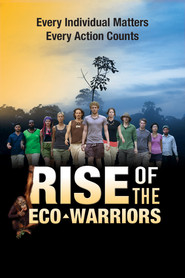
A group of passionate young environmentalists spend 100 days in the jungles of Borneo in effort to save the rainforests and its endangered orangutans in this Australian documentary...Braddock America
2014
Braddock America
2014
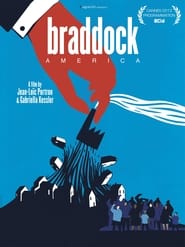
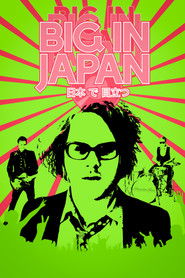
Braddock, Pennsylvania has been the home to key events that have greatly shaped American history. Today, it is struggling to reinvent itself and stay relevant.Big in Japan
2014
Big in Japan
2014
star 5.8Big in Japan is a comedic rock-and-roll road movie about struggling Seattle rock band, Tennis Pro, who decide to sell their tour-van and head to Tokyo for one last shot at acceptanceTake Me to the River
2014
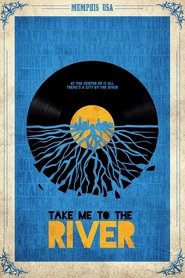
Take Me to the River
2014
star 6Take Me to the River is a film about the soul of American music. The film follows the recording of a new album featuring legends from Stax records and Memphis mentoring and passing on their musical magic to stars and artists of today.