New History Movies on Free Services - Page 74
All Services
Free Services
 Netflix
 Amazon Prime Video
 Apple iTunes
 Apple TV Plus
 Disney Plus
 Google Play Movies
 Paramount Plus
 Hulu
Hulu
 HBO Max
 YouTube
 fuboTV
 Peacock
 Peacock Premium
 Amazon Video
 The Roku Channel
 AMC+
AMC on Demand
AMC+
AMC on Demand
 Kocowa
 Hoopla
 The CW
 Vudu
Vudu
 Starz
Starz
 Showtime
 PBS
PBS
 Pantaflix
 FXNow
FXNow
 Tubi TV
 Kanopy
 Comedy Central
 Crunchyroll
 Microsoft Store
 Redbox
 Sun Nxt
 ABC
ABC
 DIRECTV
 Crackle
 Fandor
 Plex
Plex
Netflix
Amazon Prime Video
Apple iTunes
Apple TV Plus
Disney Plus
Google Play Movies
Paramount Plus
Hulu
HBO Max
YouTube
fuboTV
Peacock
Peacock Premium
Amazon Video
The Roku Channel
AMC+
AMC on Demand
Kocowa
Hoopla
The CW
Vudu
Starz
Showtime
PBS
Pantaflix
FXNow
Tubi TV
Kanopy
Comedy Central
Crunchyroll
Microsoft Store
Redbox
Sun Nxt
ABC
DIRECTV
Crackle
Fandor
Plex

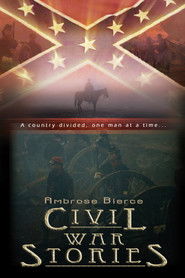
Ambrose Bierce: Civil War Stories
2006
star 4.3Legendary writer Ambrose Bierce was known to be brilliant, cantankerous and romantic in all his life's passions, and was revered as one of the top storytellers of the late 19th Century. In 1890, he presented his recently published collection of Civil War Stories to novelist Gertrude Atherton and fledgling young publisher William Randolph Hearst during an infamous meeting in Sonol, California. This meeting sets the forum for the presentation of three of Bierce's most popular stories including "One Kind Of Officer", "Story Of A Conscience" and "An Occurrence At Owl Creek Bridge." This acclaimed collection features epic battle sequences, deeply conflicted drama and the signature "surprise endings" that characterized most of the short stories by Ambrose Bierce.Red White Black & Blue
2006
star 7In a secret battle that cost thousands of lives but was never revealed to the American public, the Japanese army invaded Alaska in June 1942. Sixty years later, two veterans embark on an intense and emotional journey, returning to their former battlefield.Pierrepoint: The Last Hangman
2005
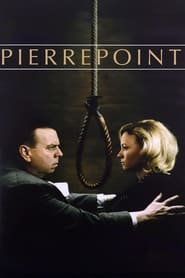
star 7Following in his father's footsteps, Albert Pierrepoint becomes one of Britain's most prolific executioners, hiding his identity as a grocery deliveryman. But when his ambition to be the best inadvertently exposes his gruesome secret, he becomes a minor celebrity & faces a public outcry against the practice of hanging. Based on true events.Joyeux Noel
2005
Joyeux Noel
2005
star 7.4France, 1914, during World War I. On Christmas Eve, an extraordinary event takes place in the bloody no man's land that the French and the Scots dispute with the Germans…The World's Fastest Indian
2005
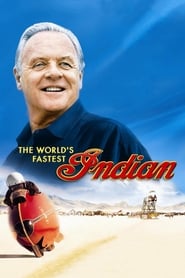
star 7.7The life story of New Zealander Burt Munro, who spent years building a 1920 Indian motorcycle—a bike which helped him set the land-speed world record at Utah's Bonneville Salt Flats in 1967.9th Company
2005
9th Company
2005
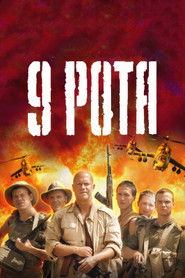
star 6.7Russian army recruits complete training and take their posting in late 1980s Afghanistan, where the insurgents are slowly gaining the upper hand.One Bright Shining Moment: The Forgotten Summer of George McGovern
2005
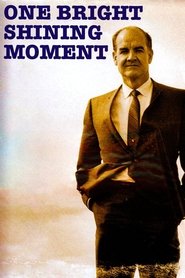
star 6.5ONE BRIGHT SHINING MOMENT retraces George McGovern's bold presidential campaign of 1972 - a grassroots campaign that fought for peace and justice, and positioned ideas and people first. But what is remembered today as being the ultimate political defeat of the American Century may also have been its high watermark. The film poses this central question: what does the crushing electoral defeat of a man so well respected for his decency and intellect say about the electoral process, the American government, and more importantly, what does it say about the forces at work on the American people- then and now? Featuring interviews with the candidate himself, supporters and activists like Gore Vidal, Gloria Steinem, Warren Beatty, Howard Zinn, and music from Bob Dylan, Robbie Robertson, Donovan, and Elvis Costello.Rome: Engineering an Empire
2005
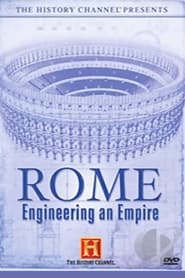
star 9Despite their personal short comings, many of the Roman Empires great engineering accomplishments were introduced during the reign of the Caesars. The tradition continued under Vespasian, builder of the Coliseum, Trajan, builder of the Forum, and Hadrian, builder and possibly the designer of the Pantheon. Finally, a decade later Caracalla built a bath complex/recreation center in an effort to secure his own reputation in history.Ban the Sadist Videos!
2005
star 6.7An in-depth analysis of the "Video Nasty" scandal of the early 1980s in Britain.The Lost City
2005
The Lost City
2005
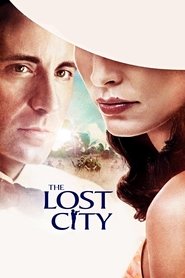
star 6.1In Havana, Cuba in the late 1950's, a wealthy family, one of whose sons is a prominent nightclub owner, is caught in the violent transition from the oppressive regime of Batista to the Marxist government of Fidel Castro. Castro's regime ultimately leads the nightclub owner to flee to New York.My Brother's War
2005
My Brother's War
2005
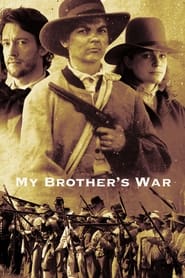
star 1Civil War drama directed by Whitney Hamilton. Grace Kieler disguises herself as a man and takes her brother's place in the Confederate army in an effort to protect him from the horrors of the war. When she meets young war widow Virginia Klaising (Dana Bennison), the two form a bond that may get complicated once Grace reveals her true identity. My Brother's War is based on Hamilton's novelMangal Pandey - The Rising
2005
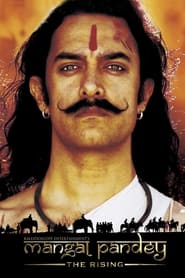
star 6The film begins in 1857, when India was ruled by the British East India Company. Mangal Pandey is a sepoy, a soldier of Indian origin, in the army of the East India Company. Pandey is fighting in the Anglo-Afghan Wars and saves the life of his British commanding officer, William Gordon. Gordon is indebted to Pandey and a strong friendship develops between them, transcending both rank and race.Treasure Fleet: The Epic Voyage of Zheng He
2005
star 9Between 1405 and 1433, Admiral Zheng He of China led seven epic voyages to more than 30 countries, including Sri Lanka, India, Indonesia, Malaysia, Vietnam, Kenya and Tanzania. The admiral and his crew gathered knowledge and wealth from Indochina to Africa for China's Ming empire. These voyages were the biggest naval expeditions mounted at the time. Zheng He was bigger than life and could have changed the course of history. But after the seven voyages, he and his Treasure Fleet were forgotten by China, and the world, for six hundred years. National Geographic photographer Michael Yamashita sets sail to discover why. To celebrate the 600th anniversary of Zheng He's maiden exploration voyage, Michael Yamashita traveled over 10,000 miles from Yunnan in China to Africa's Swahili coast taking over 40,000 pictures for the feature story on this great explorer, published in the July 2005 edition of National Geographic.Hiroshima
2005
Hiroshima
2005
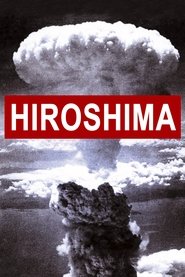
star 7.2The documentary recounts the world's first nuclear attack and examines the alarming repercussions. Covering a three-week period from the Trinity test to the atomic bombing of Hiroshima, the program chronicles America's political gamble and the planning for the momentous event. Archival film, dramatizations, and special effects feature what occurred aboard the Enola Gay (the aircraft that dropped the bomb) and inside the exploding bomb.Destined for Blues
2005
Destined for Blues
2005
star 7.4The life of Ryszard Riedel, former leader of cult Polish rock-blues band Dzem, including the history of his family relationships, music career and addiction to alcohol and drugs.The Last Confederate: The Story of Robert Adams
2005
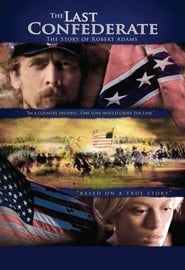
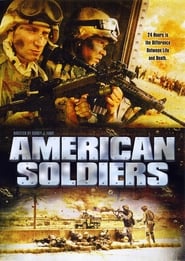
star 5.3Amid the bitter divisiveness of the Civil War, Confederate Capt. Robert Adams (Julian Adams) feels the rift within his soul. Steadfastly loyal to the South, Adams also holds an unshakable love for his Northerner wife, Eveline McCord (Gwendolyn Edwards). Based on the true story of Robert Adams and produced by his descendents, this stirring historical drama -- a film festival favorite -- delves into the themes of honor, patriotism and love.American Soldiers
2005
American Soldiers
2005
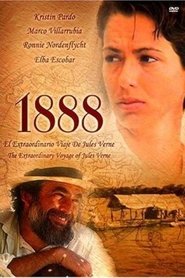
star 4.1Iraq, 2004: during a routine sortie a US patrol is ambushed and the young soldiers are forced to put their training and skills into action fast. A determined foe with superior local knowledge, the Fedayeen insurgents soon draw them into close quarter combat and a desperate fight for survival.1888: The Extraordinary Voyage of the Santa Isabel
2005
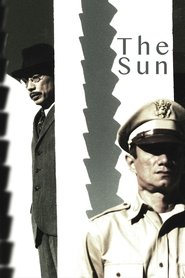
star 5"1888: The Extraordinary Voyage of The Santa Isabel" is a whimsical adventure fantasy about a tired Jules Verne, fleeing from Paris and a bored wife, who joins Italian explorer Stradelli in an expedition on the Orinoco river. Along the way they pickup a young stranger- a woman disguised as a man, searching for her lost father.The Sun
2005
The Sun
2005
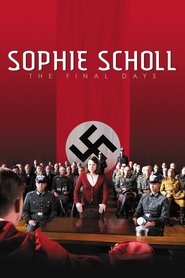
star 6.7A re-imagination of Japanese Emperor Hirohito’s final days in power as WWII draws to a close.Sophie Scholl: The Final Days
2005
star 7.1In 1943, as Hitler continues to wage war across Europe, a group of college students mount an underground resistance movement in Munich. Dedicated expressly to the downfall of the monolithic Third Reich war machine, they call themselves the White Rose. One of its few female members, Sophie Scholl is captured during a dangerous mission to distribute pamphlets on campus with her brother Hans. Unwavering in her convictions and loyalty to the White Rose, her cross-examination by the Gestapo quickly escalates into a searing test of wills as Scholl delivers a passionate call to freedom and personal responsibility.