New History Movies on Free Services - Page 75
All Services
Free Services
 Netflix
 Amazon Prime Video
 Apple iTunes
 Apple TV Plus
 Disney Plus
 Google Play Movies
 Paramount Plus
 Hulu
Hulu
 HBO Max
 YouTube
 fuboTV
 Peacock
 Peacock Premium
 Amazon Video
 The Roku Channel
 AMC+
AMC on Demand
AMC+
AMC on Demand
 Kocowa
 Hoopla
 The CW
 Vudu
Vudu
 Starz
Starz
 Showtime
 PBS
PBS
 Pantaflix
 FXNow
FXNow
 Tubi TV
 Kanopy
 Comedy Central
 Crunchyroll
 Microsoft Store
 Redbox
 Sun Nxt
 ABC
ABC
 DIRECTV
 Crackle
 Fandor
 Plex
Plex
Netflix
Amazon Prime Video
Apple iTunes
Apple TV Plus
Disney Plus
Google Play Movies
Paramount Plus
Hulu
HBO Max
YouTube
fuboTV
Peacock
Peacock Premium
Amazon Video
The Roku Channel
AMC+
AMC on Demand
Kocowa
Hoopla
The CW
Vudu
Starz
Showtime
PBS
Pantaflix
FXNow
Tubi TV
Kanopy
Comedy Central
Crunchyroll
Microsoft Store
Redbox
Sun Nxt
ABC
DIRECTV
Crackle
Fandor
Plex

The Colt
2005
The Colt
2005
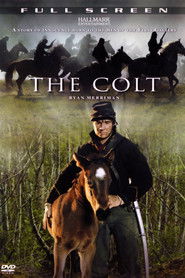
star 5.6During the heat of battle in the midst of the Civil War, a beguilingly innocent colt is born to Union Jim Rabb's beloved mare. Refusing the orders to shoot it, lest it prove a hindrance, Rabb keeps the colt as a consolation in these desperate times-a symbol of hope that leads the men of the First Cavalry on a journey of self-discovery and newfound brotherhood.Coach Carter
2005
Coach Carter
2005
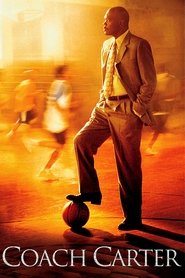
star 7.6Based on a true story, in which Richmond High School head basketball coach Ken Carter made headlines in 1999 for benching his undefeated team due to poor academic results.Ralph Ellison: Invisible Man, Celebrated Writer
2005
star 3.2Ralph Ellison was an African-American writer and essayist, who's only novel Invisible Man (1953) gained a wide critical success. Ellison's ambitious journey from a childhood of hardship and poverty to celebrated African American writer is chronicled in this inspiring program through exclusive interviews and personal recollection.Hotel Rwanda
2004
Hotel Rwanda
2004
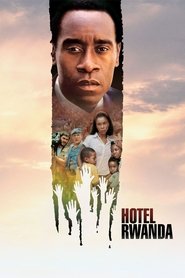
star 7.7Inspired by true events, this film takes place in Rwanda in the 1990s when more than a million Tutsis were killed in a genocide that went mostly unnoticed by the rest of the world. Hotel owner Paul Rusesabagina houses over a thousand refuges in his hotel in attempt to save their lives.Watermarks
2004
Watermarks
2004
star 7.1The story of the Hakoah Vienna Jewish womens swim team of the 1930s, their forced separation, and their reunion decades later.Libby, Montana
2004
Libby, Montana
2004
star 3.8Nestled below the rugged peaks of the Northern Rockies and along the crystal-clear Kootenai River lies the small logging town of Libby, Montana - an ironic setting for a town where many hundreds of people are sick or have already died from asbestos exposure.Wolf
2004
Wolf
2004
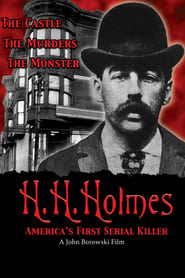
star 6.4Based on a true story. In the 70s, during the last stages of Franco's dictatorship, Txema, a basque construction worker, is arrested because of his connection to some terrorists who have just committed a murder. The secret service see in him an ideal candidate to infiltrate the terrorist band ETA and become a mole, so they try to offer him a deal if he will do so.H.H. Holmes: America's First Serial Killer
2004
star 6.1Torture chambers, acid vats, greased chutes and gassing rooms were just some of the devices of death designed by the Torture Doctor, H.H. Holmes in his castle of horrors. Follows Holmes' entire life as a criminal mastermind.Therese: The Story of Saint Therese of Lisieux
2004
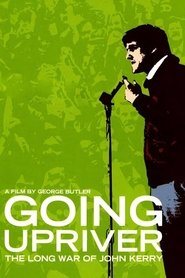
star 8.1The mesmerizing story of a young girl's romance with God. Her faith, trials, and sacrifices reveal a way of life based on love and simplicity. A contemplative film based on the true story of Saint Therese of Lisieux, the most popular saint of modern times.Going Upriver: The Long War of John Kerry
2004
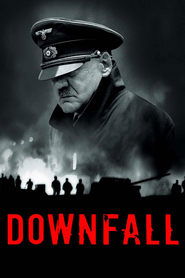
star 7.4A documentary on Senator John Kerry's Navy tour of duty in Vietnam, his contributions to the peace movement that followed, and the ultimate shape of his future political career.Downfall
2004
Downfall
2004
star 7.9In April of 1945, Germany stands at the brink of defeat with the Russian Army closing in from the east and the Allied Expeditionary Force attacking from the west. In Berlin, capital of the Third Reich, Adolf Hitler proclaims that Germany will still achieve victory and orders his generals and advisers to fight to the last man. When the end finally does come, and Hitler lies dead by his own hand, what is left of his military must find a way to end the killing that is the Battle of Berlin, and lay down their arms in surrender.The Edelweiss Pirates
2004
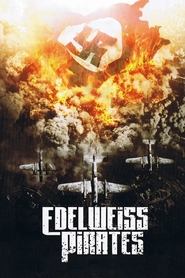
star 5.2Cologne towards the end of the Second World War. The city is in ruins, everyone is afraid, many are dead. It is a time of great inhumanity. Cologne’s young Edelweiss Pirates refuse to submit to the pressure of the Nazi regime. They fight with the Hitler Youth and scrawl anti-war propaganda on walls. Karl is an Edelweiss Pirate; his younger brother, Peter, is in the Hitler Youth movement. The two young men have been alone ever since their mother’s death in a bombing raid; their father is serving at the front, and their older brother, Otto, has been killed in action. Otto’s financée, Cilly, is doing her best to survive the war with her children. Carl is trying to help her.Uncovered: The War on Iraq
2004
star 7.9The feature-length version of producer/director Robert's Greenwald's short documentary phenomenon "Uncovered: The Whole Truth About The Iraq War." The film deconstructs the current American administration's case for war in Iraq through interviews with U.S. intelligence professionals, diplomats and former Pentagon officials, including a former director of the C.I.A., two former Secretaries of Defense, a former ambassador to Saudi Arabia and even President Bush's former Secretary of the Army.R-Point
2004
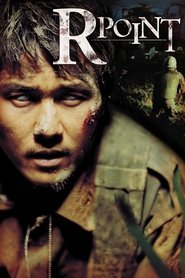
R-Point
2004
star 6.6On 07 January 1972, the South Korean base in Nha-Trang, Vietnam, receives a radio transmission from a missing platoon presumed dead.Negroes with Guns: Rob Williams and Black Power
2004
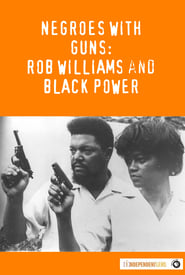
Rob Williams was an African-American living in Monroe, North Carolina in the 1950s and 1960s. Living with injustice and oppression, many African-Americans advocated a non-violent resistance. Williams took a different tack, urging the oppressed to take up arms. Williams was stripped of his rank as leader of the local NAACP chapter, but he continued to encourage local African-Americans to carry weapons as a means of self-defense. Wanted on a kidnapping charge, Williams and his wife fled to Cuba. His radio show Radio Free Dixie could be heard in some parts of the United States.Pearl Harbor: A Day of Infamy
2004
star 4On the morning of December 7, 1941, a surprise attack by Japanese naval aviation against the American held island of Oahu and Pearl Harbor thrust the United States into World War II. This story details one of the most momentous events in American history and a crucial turning point in the 20th century. Most importantly, it is a story of the people who were there, told through eyewitness accounts of American and Japanese veterans, some of whose stories have never been told. This is a story of perseverance and heroism in the face of overwhelming odds. This is the story of Pearl Harbor.Z Channel: A Magnificent Obsession
2004
star 7.1A documentary on the Z Channel, one of the first pay cable stations in the US, and its programming chief, Jerry Harvey. Debuting in 1974, the LA-based channel's eclectic slate of movies became a prime example of the untapped power of cable television.Mparntwe Sacred Sites
2004
This documentary focuses on the sacred sites in and around Mparntwe (Alice Springs) in central Australia, and the struggle of the Arrernte people to identify, document and preserve these sites in the face of rapid urban expansion and property development.The Alamo
2004
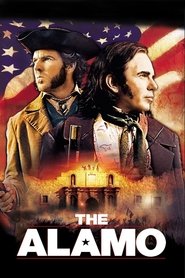
The Alamo
2004
star 5.8Based on the 1836 standoff between a group of Texan and Tejano men, led by Davy Crockett and Jim Bowie, and Mexican dictator Santa Anna's forces at the Alamo in San Antonio, Texas.The Rise & Fall of Penn Station
2004
star 9.5In 1910, the Pennsylvania Railroad successfully accomplished the enormous engineering feat of building tunnels under New York City's Hudson and East Rivers, connecting the railroad to New York and New England, knitting together the entire eastern half of the United States. The tunnels terminated in what was one of the greatest architectural achievements of its time, Pennsylvania Station. Penn Station covered nearly eight acres, extended two city blocks, and housed one of the largest public spaces in the world. But just 53 years after the station’s opening, the monumental building that was supposed to last forever, to herald and represent the American Empire, was slated to be destroyed.