New Documentary Movies on fuboTV - Page 78
All Services
Free Services
 Netflix
 Amazon Prime Video
 Apple iTunes
 Apple TV Plus
 Disney Plus
 Google Play Movies
 Paramount Plus
 Hulu
Hulu
 HBO Max
 YouTube
 fuboTV
 Peacock
 Peacock Premium
 Amazon Video
 The Roku Channel
 AMC+
AMC on Demand
AMC+
AMC on Demand
 Kocowa
 Hoopla
 The CW
 Vudu
Vudu
 Starz
Starz
 Showtime
 PBS
PBS
 Pantaflix
 FXNow
FXNow
 Tubi TV
 Kanopy
 Comedy Central
 Crunchyroll
 Microsoft Store
 Redbox
 Sun Nxt
 ABC
ABC
 DIRECTV
 Crackle
 Fandor
 Plex
Plex
Netflix
Amazon Prime Video
Apple iTunes
Apple TV Plus
Disney Plus
Google Play Movies
Paramount Plus
Hulu
HBO Max
YouTube
fuboTV
Peacock
Peacock Premium
Amazon Video
The Roku Channel
AMC+
AMC on Demand
Kocowa
Hoopla
The CW
Vudu
Starz
Showtime
PBS
Pantaflix
FXNow
Tubi TV
Kanopy
Comedy Central
Crunchyroll
Microsoft Store
Redbox
Sun Nxt
ABC
DIRECTV
Crackle
Fandor
Plex

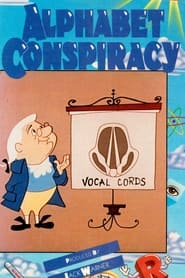
The Alphabet Conspiracy
1959
star 6.8Dr. Frank Baxter, with the help of The Mad Hatter and Jabberwock, takes young Judy exploring the world of language, in which she finds out that language is for doing more than just talking.The James Dean Story
1957
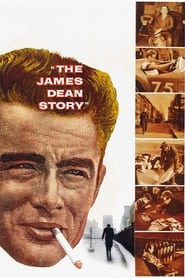
The James Dean Story
1957
star 5.4Released two years after James Dean's death, this documentary chronicles his short life and career via black-and-white still photographs, interviews with the aunt and uncle who raised him, his paternal grandparents, a New York City cabdriver friend, the owner of his favorite Los Angeles restaurant, outtakes from East of Eden, footage of the opening night of Giant, and Dean's ironic PSA for safe driving.Karamoja
1954
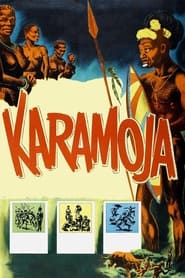
Karamoja
1954
star 2.7The filmed record of an expedition to the African interior, with scenes of animal life and native customs and practices.A Queen Is Crowned
1953
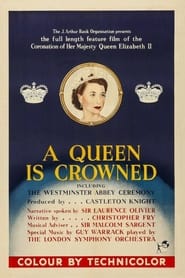
A Queen Is Crowned
1953
star 7.1A lavish documentary film of Queen Elizabeth II's Coronation in 1953.Channel Islands
1952
Channel Islands
1952
The Channel Islands have had a varied and exciting history. Jersey and Guernsey are ideal places for holidays. Jersey offers a wide variety of attractive bays for sport and relaxation; Guernsey still preserves something of an eighteenth-century atmosphere, and is a place for quieter enjoyment. It is an ideal centre for exploring the other smaller islands, and the film ends with a journey by boat to Herm.Triangeldrama
1952
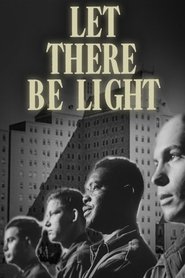
Let There Be Light
1946
Let There Be Light
1946
star 7.4The final entry in a trilogy of films produced for the U.S. government by John Huston. Some returning combat veterans suffer scars that are more psychological than physical. This film follows patients and staff during their treatment. It deals with what would now be called PTSD, but at the time was categorised as psychoneurosis or shell-shock. Government officials deemed this 1946 film counterproductive to postwar efforts; it was not shown publicly until 1981.Appointment in Tokyo
1945
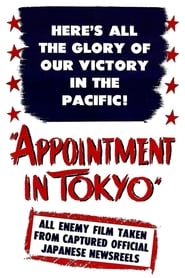
Appointment in Tokyo
1945
star 5.8Produced by the Army Pictorial Service, Signal Corps, with the cooperation of the Army Air Forces and the United States Navy, and released by Warner Bros. for the War Activities Committee shortly after the surrender of Japan. Follow General Douglas MacArthur and his men from their exile from the Philippines in early 1942, through the signing of the instrument of surrender on the USS Missouri on September 1, 1945. Preserved by the Academy Film Archive in 2013.Nazi Concentration Camps
1945
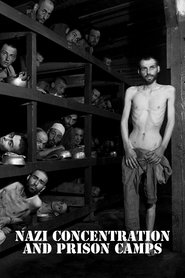
star 7.7Produced and presented as evidence at the Nuremberg war crimes trial of Hermann Göring and twenty other Nazi leaders, this film consists primarily of dead and surviving prisoners and of facilities used to kill and torture during the World War II.The Stilwell Road
1945
The Stilwell Road
1945
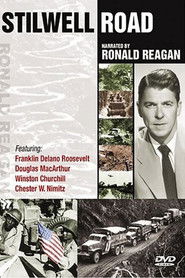
Documentary - Documentary about the construction of the Stilwell Road--originally called The Ledo Road--a 478-mile passage from Assam, India, to Ledo, Burma, during World War II. The road, which was built by 63,000 workers and cost $150 million, was used by the British, Chinese and Indian armies to transport supplies, troops and other essentials from India to Burma in order to keep the Japanese from overrunning the entire theater. - Ronald Reagan, Harold Alexander, Claude AuchinleckThe Battle of San Pietro
1945
star 6This documentary movie is about the battle of San Pietro, a small village in Italy. Over 1,100 US soldiers were killed while trying to take this location, that blocked the way for the Allied forces from the Germans. Preserved by the Academy Film Archive in 2005.Attack! The Battle for New Britain
1944
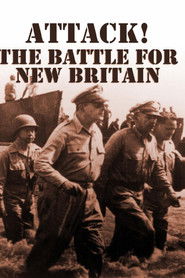
star 6Actual footage by the United States Signal Corps of the landing and attack on Arawe Beach, Cape Glouster, New Britain island in 1943 in the South Pacific theatre of World War Two, and the handicaps of the wild jungle in addition to the Japanese snipers and pill-box emplacements.Tunisian Victory
1944
Tunisian Victory
1944
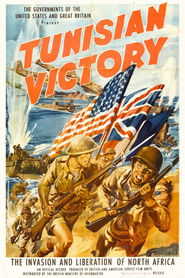
star 6.2Documentary made by the U.S. Army Signal Corps after the North African campaign.Attack in the Pacific
1944
Part of a a video series that documents the fighting between the United States and Imperial Japan during and immediately after World War II.Why We Fight: The Battle of Russia
1943
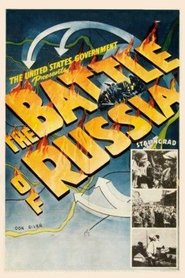
star 6.8The fifth film of Frank Capra's Why We Fight propaganda film series, revealing the nature and process of the fight between the Soviet Union and Germany in the Second World War.Jacaré
1942
Jacaré
1942
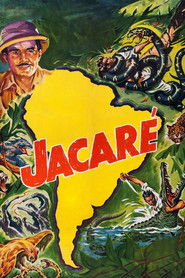
star 4This documentary follows a group of adventurers into the Amazon jungle as they attempt to catch animals to be shipped to zoos in the USA.Why We Fight: Prelude to War
1942
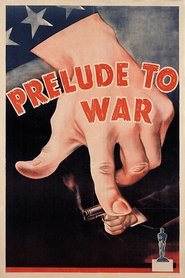
star 6.4Prelude to War was the first film of Frank Capra's Why We Fight propaganda film series, commissioned by the Pentagon and George C. Marshall. It was made to convince American troops of the necessity of combating the Axis Powers during World War II. This film examines the differences between democratic and fascist states.The Silent Enemy
1930
The Silent Enemy
1930
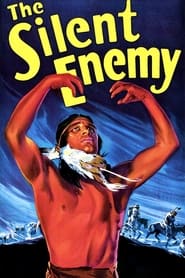
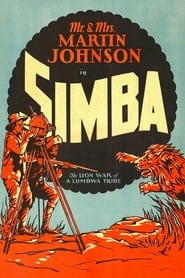
star 6.7In the Canadian Northwest, the Chippewa tribe struggles to find food before the onset of winter.Simba: The King of the Beasts
1928
star 7Simba: The King of the Beasts is an 1928 American black-and-white silent documentary film, directed by Martin and Osa Johnson, which features the couple's four-year expedition to track the lion across Kenyan veld to his lair.