New Documentary Movies on Hoopla - Page 53
All Services
Free Services
 Netflix
 Amazon Prime Video
 Apple iTunes
 Apple TV Plus
 Disney Plus
 Google Play Movies
 Paramount Plus
 Hulu
Hulu
 HBO Max
 YouTube
 fuboTV
 Peacock
 Peacock Premium
 Amazon Video
 The Roku Channel
 AMC+
AMC on Demand
AMC+
AMC on Demand
 Kocowa
 Hoopla
 The CW
 Vudu
Vudu
 Starz
Starz
 Showtime
 PBS
PBS
 Pantaflix
 FXNow
FXNow
 Tubi TV
 Kanopy
 Comedy Central
 Crunchyroll
 Microsoft Store
 Redbox
 Sun Nxt
 ABC
ABC
 DIRECTV
 Crackle
 Fandor
 Plex
Plex
Netflix
Amazon Prime Video
Apple iTunes
Apple TV Plus
Disney Plus
Google Play Movies
Paramount Plus
Hulu
HBO Max
YouTube
fuboTV
Peacock
Peacock Premium
Amazon Video
The Roku Channel
AMC+
AMC on Demand
Kocowa
Hoopla
The CW
Vudu
Starz
Showtime
PBS
Pantaflix
FXNow
Tubi TV
Kanopy
Comedy Central
Crunchyroll
Microsoft Store
Redbox
Sun Nxt
ABC
DIRECTV
Crackle
Fandor
Plex

The Sailor
2021
The Sailor
2021
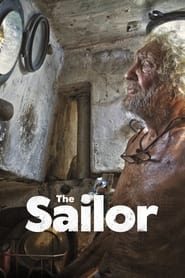
star 7.2Eighty-year-old Paul Earling Johnson is a man most people might walk past, never guessing he was once a seafaring adventurer and famous boat designer.The Face of Anonymous
2021
star 6.8"The Face of Anonymous" by Gary Lang, which profiles Christopher Doyon, a.k.a. Commander X, who has hidden from the FBI in Toronto and Mexico.Son of Cornwall
2021
Son of Cornwall
2021
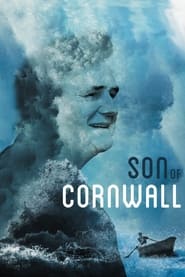
Son of Cornwall is about opera singer John Treleaven. John has had a forty year career performing in thousands of opera productions including playing the leading roles in Siegfried, Carmen, Tannhauser, and many more classics. Each of these operas are included in the documentary through a combination of archive theatre footage, historical photos, audio excerpts, and interviews from some of John's colleagues.Loves Me, Loves Me Not
2021
Twenty young people share their thoughts and experiences about love and romantic relationships in 2020.Clean Slate
2021
Clean Slate
2021
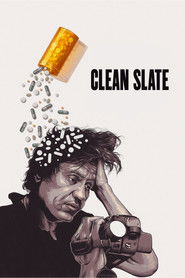
Two friends in a Southern drug recovery program struggle to come to terms with their addiction and mental illness by making a short film about the pain they've caused their families.So Foul a Sky
2021
So Foul a Sky
2021
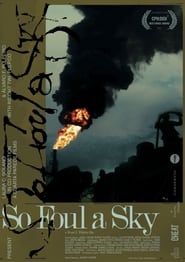
star 8If there was an award for the most stylish opening scene, it would go to Álvaro Pulpeiro for ‘So Foul a Sky’. A road movie and a immersive report from a Venezuela on the verge of collapse. Inspired by Joseph Conrad’s classic novel ‘Nostromo’, we are led into a twilight world where allegiances change among the travellers under the enormous dome of the sky. Pirates and pilgrims cross tracks, and oil is traded on the black market in the middle of nowhere. Crackling car radios relay an ideological battle of words. Has the oil cast a curse on Venezuela? The country is in the midst of the worst political and humanitarian crisis that South America has experienced in the 21st century. Instead of trying to explain the chaotic situation, Pulpeiro places us in the middle of it. A sensory and cinematic film, where the oil runs like thick, black blood through the arteries of the road network and connects us with some of the people who are trying to make life work beyond law and order.Oleg: The Oleg Vidov Story
2021
star 5Oleg Vidov — one of the Soviet Union's most beloved actors — was persecuted, blacklisted and pushed to the breaking point before escaping to the West and achieving the American dream.The Race to Save the World
2021
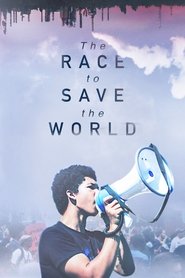
The Race To Save The World is a climate change film like no other. Instead of focusing on paralyzing facts and numbers this inspiring feature takes a unique approach by following passionate activists, ages 15-72, who are in the trenches fighting for a livable future. These brave climate warriors put their lives on the line to push for change, regardless of the personal cost. Emmy award-winning filmmaker Joe Gantz brings an urgent and intimate portrait of the protests, arrests, courtroom drama and family turmoil these activists endure as they single mindedly focus their attention on the goal of creating a more sustainable world for future generations. The Race To Save The World is an inspiring and energizing call-to-action to quit waiting on the sidelines and make our voices heard.Sharks of Hawaii
2021
Sharks of Hawaii
2021
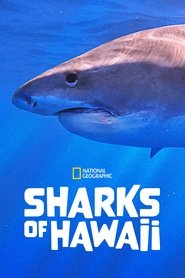
Nearly 40 shark species live in the warm waters of Hawaii's volcanic islands, including white tip reef sharks, Galapagos sharks and tiger sharks.Oh, It Hertz!
2021
Oh, It Hertz!
2021
star 1.5A "musician" explores how sound can be used for healing, as a weapon, and how the Nazis attempted to control the world by manipulating global audio standards.American Oz
2021
American Oz
2021
star 8Explore the life and times of author L. Frank Baum, the creator of one of the most beloved, enduring and classic American narratives. By 1900, when The Wonderful Wizard of Oz was published, Baum was 44 years old and had spent much of his life in restless pursuit of success.The High Frontier: The Untold Story of Gerard K. O'Neill
2021
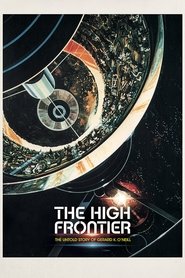
star 7The High Frontier: The Untold Story of Gerard K. O'Neill tells the untold story of the life and influence of the late physicist and space colony pioneer Dr. Gerard K. O'Neill. In 1977, O'Neill wrote the book The High Frontier: Human Colonies in Space, which sparked an enormous grassroots movement to build Earth-like habitats in space in order to solve Earth's greatest crises. The film is told through "Gerry's Kids" as they affectionately call themselves; his peers, family, and the younger generation who followed that movement and are now leading the modern day space industry.The Sound of Scars
2021
The Sound of Scars
2021
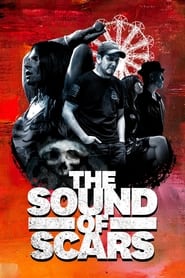
star 4The story of three lifelong friends who overcame domestic violence, substance abuse and depression to form Life of Agony, one of the most influential bands in its genre, led by the very first openly transgender singer. Through the success of their groundbreaking 1993 debut "River Runs Red", hailed by Rolling Stone as "One of the Greatest Metal Albums of All Time", they channeled their cumulative life stories into a soundtrack for a broken generation. This new found fame allowed them to suppress the tragedies of their past, but in its wake new obstacles arose.Bill Traylor: Chasing Ghosts
2021
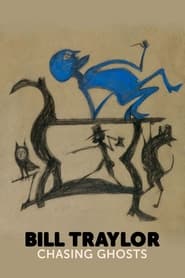
star 6This illuminating documentary explores the life of a unique American artist, a man with a remarkable and unlikely biography. Bill Traylor was born into slavery in 1853 on a cotton plantation in rural Alabama. After the Civil War, Traylor continued to farm the land as a sharecropper until the late 1920s. Aging and alone, he moved to Montgomery and worked odd jobs in the thriving segregated black neighborhood. A decade later, in his late 80s, Traylor became homeless and started to draw and paint, both memories from plantation days and scenes of a radically changing urban culture. He made well over a thousand drawings and paintings between 1939-1942. This colorful, strikingly modernist work eventually led him to be recognized as one of America’s greatest self-taught artists and the subject of a Smithsonian retrospective.Do I Love You, Robot, Do I
2021
Anthropomorphic robots are increasingly being introduced into our lives: they meet us at the reception, educate children and even live in families as partners. Scientists are trying to make robots as human-like as possible. In the late 80s, scientists studying the emotional reaction of people to robots discovered the "uncanny valley effect": the most humanoid robots caused dislike and even fear in people. But what will happen when they become indistinguishable from a person? And will they?Ocean of Obstacles
2021
Ocean of Obstacles
2021
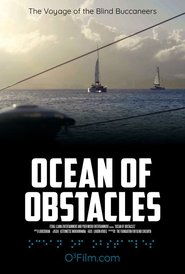
Ocean of Obstacles is a film documentary that reveals the story of a dozen blind teenagers as they attempt a life changing voyage at sea.Future People: The Family of Donor 5114
2021
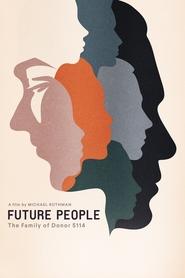
Filmed over eight years, Rothman follows a group of adolescents who discover that they were conceived from the same sperm donor, forming an unlikely family of familiar strangers. There are presently 37 half-siblings, and counting. This documentary explores the complexities of alternative conception while defining a new realm of modern family.After Antarctica
2021
After Antarctica
2021
In a dramatic attempt to bring attention to climate change, an international expedition led by renowned explorer Will Steger embarked on the first-ever coast-to-coast expedition across Antarctica in 1989. Six men and their sled dogs braved howling storms, sub-zero temperatures, snow crevasses, and other perils as they traversed the icy terrain. Tasha Van Zandt’s enthralling feature debut catches up with Steger 30 years later as he revisits the frigid continent, deftly weaving his contemporary journey with rare, dynamic footage of his original, treacherous seven-month odyssey.Awaken
2021
Awaken
2021
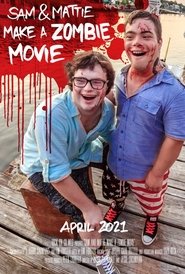
star 6.7A documentary film exploring humanity's relationship with technology and with the natural world. Shot over a 5-year period in more than 30 countries, the film pioneers new timelapse, time-dilation, underwater, and aerial cinematography techniques to give audiences new eyes with which to see our world.Sam & Mattie Make a Zombie Movie
2021
star 6.7Documentary about the making of ’Spring Break Zombie Massacre.’