New Documentary Movies on Kanopy - Page 132
All Services
Free Services
 Netflix
 Amazon Prime Video
 Apple iTunes
 Apple TV Plus
 Disney Plus
 Google Play Movies
 Paramount Plus
 Hulu
Hulu
 HBO Max
 YouTube
 fuboTV
 Peacock
 Peacock Premium
 Amazon Video
 The Roku Channel
 AMC+
AMC on Demand
AMC+
AMC on Demand
 Kocowa
 Hoopla
 The CW
 Vudu
Vudu
 Starz
Starz
 Showtime
 PBS
PBS
 Pantaflix
 FXNow
FXNow
 Tubi TV
 Kanopy
 Comedy Central
 Crunchyroll
 Microsoft Store
 Redbox
 Sun Nxt
 ABC
ABC
 DIRECTV
 Crackle
 Fandor
 Plex
Plex
Netflix
Amazon Prime Video
Apple iTunes
Apple TV Plus
Disney Plus
Google Play Movies
Paramount Plus
Hulu
HBO Max
YouTube
fuboTV
Peacock
Peacock Premium
Amazon Video
The Roku Channel
AMC+
AMC on Demand
Kocowa
Hoopla
The CW
Vudu
Starz
Showtime
PBS
Pantaflix
FXNow
Tubi TV
Kanopy
Comedy Central
Crunchyroll
Microsoft Store
Redbox
Sun Nxt
ABC
DIRECTV
Crackle
Fandor
Plex

Who Is Arthur Chu?
2017
Who Is Arthur Chu?
2017
star 6.5Documentary feature about 11-time Jeopardy! champion and Internet iconoclast, Arthur Chu.Dolores
2017
Dolores
2017
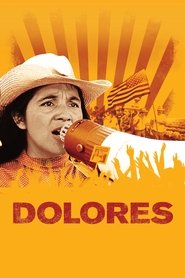
star 6Dolores Huerta bucks 1950s gender conventions by starting the country's first farm worker's union with fellow organizer Cesar Chavez. What starts out as a struggle for racial and labor justice, soon becomes a fight for gender equality within the same union she is eventually forced to leave. As she wrestles with raising 11 children, three marriages, and is nearly beaten to death by a San Francisco tactical police squad, Dolores emerges with a vision that connects her new found feminism with racial and class justice.Segantini: Back to Nature
2017
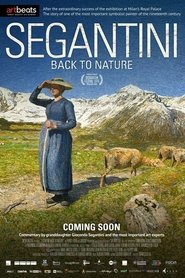
star 7.4Giovanni Segantini rose from humble origins to become the most important of Italian pointillists, and one of the most important symbolist painters in the 19th century. This film focuses on his way of feeling nature as a source of artistic and spiritual inspiration.Divided States of America
2017
star 7Review the partisanship that gridlocked Washington and charged the 2016 presidential campaign.The 44th President: In His Own Words
2017
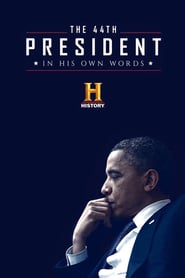
star 6Comprised of two interviews with President Barack Obama conducted both before and after the 2016 Presidential election, The 44th President: In His Own Words is the President’s first-hand account of his time in office–his successes, his failures, his unfinished business–and what he hopes will be his legacy. Including additional interviews with members of his staff, Congress, and the press, The 44th President: In His Own Words is a unique examination of the Obama presidency from the inside out, and a profound and candid historical record that will stand for generations.Looking for Infinity: El Camino
2017
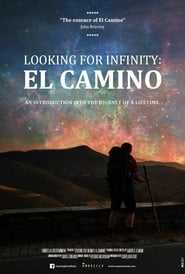
The film offers an intimate and fascinating insight into the pilgrim's journey, seeking to probe some of the timeless questions confronting humanity.Vince Giordano: There's a Future in the Past
2017
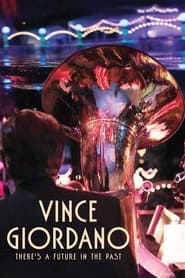
Bandleader Vince Giordano keeps the Jazz Age alive with his 11-member band The Nighthawks, vintage musical instruments, and a collection of more than 60,000 original arrangements from the 1920s and '30s.Karl Marx City
2017
Karl Marx City
2017
star 6.8Petra Epperlein and Michael Tucker take a powerfully personal journey through the former East Germany, as Epperlein investigates her father’s 1999 suicide and the possibility that he may have worked as a spy for the dreaded Stasi security service.Doing Jewish: A Story From Ghana
2017
A tiny community in rural Ghana recently discovered that the religion they have been practicing for centuries is Judaism. Filmmaker Gabrielle Zilkha explores their story from isolation to global connection and the challenges and rewards they face along the way.Restless Creature: Wendy Whelan
2017
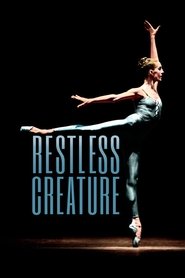
star 6.6Documentary on the great American Ballerina Wendy WhelanObit
2017
Obit
2017
star 6.3How do you put a life into 500 words? Ask the staff obituary writers at the New York Times. OBIT is a first-ever glimpse into the daily rituals, joys and existential angst of the Times obit writers, as they chronicle life after death on the front lines of history.Kedi
2017
Kedi
2017
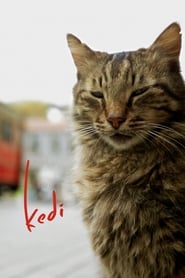
star 7.5A profile of Istanbul and its unique people, seen through the eyes of the most mysterious and beloved animal humans have ever known, the Cat.Alive and Kicking
2017
Alive and Kicking
2017
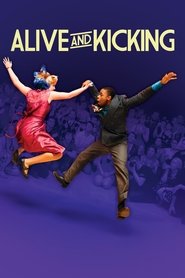
star 6.9Alive and Kicking gives the audience an intimate, insider’s view into the culture of the current swing dance world while shedding light on issues facing modern American society.German Concentration Camps Factual Survey
2017
star 7.3On the 29th September 1945, the incomplete rough cut of a brilliant documentary about concentration camps was viewed at the MOI in London. For five months, Sidney Bernstein had led a small team – which included Stewart McAllister, Richard Crossman and Alfred Hitchcock – to complete the film from hours of shocking footage. Unfortunately, this ambitious Allied project to create a feature-length visual report that would damn the Nazi regime and shame the German people into acceptance of Allied occupation had missed its moment. Even in its incomplete form (available since 1984) the film was immensely powerful, generating an awed hush among audiences. But now, complete to six reels, this faithfully restored and definitive version produced by IWM, is being compared with Alain Resnais’ Night and Fog (1955).Frontline: President Trump
2017
star 7The key moments that helped shape President-elect Donald Trump.Return to Bamako
2017
Return to Bamako
2017
Al-Qaeda in the Islamic Maghreb…Daesh…Boko Haram.** So many extremist movements, of which Africa has become a breeding ground, have declared war against Western values and people. Beyond the misunderstandings that often paralyze us, we have to ask ourselves the real question: **how did we get here?** Filmed in Mali, *RETURN TO BAMAKO* is a deep dive into the land of Islam, seeking to understand the causes and challenges of the threat posed by the rise of radical Islamism to all societies. The Islamist wave did not come about accidentally, but instead is the result of recent history, of which Westerners are the actors, because in the vast majority of cases, it is the failure of a political and economic system, copied or imposed by the West, along with unbridled globalization, which opens a gaping hole and allows the rise of extremism.The Cost of Cotton
2017
The Cost of Cotton
2017
star 8Is cotton really as pure as it seems? After claims of forced labour, pollution, and even slavery, we follow the production chain to find the truth.Abraham and Sarah. Creators of a Productive Landscape
2017
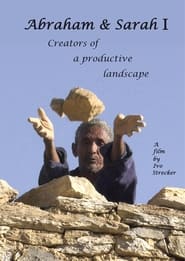
In the highlands of Tigray - northern Ethiopia - on the edge of the escarpment that descends steeply to the Danakil dessert, Hagos Mashisho and Desta Gidey have toiled and struggled for years to turn the rugged slopes of the East African Rift Valley into fertile ground. They have grown crops here not only to feed themselves and their family, but also to share with others, in particular the pilgrims who regularly pass by on their way to the monastery of Gundagundo. Touched by the kindness of their hosts, the pilgrims have given them the biblical names "Abraham" and "Sarah". The film explores the work ethos and grace of these Tigrean farmers: the cheerful mood with which they do what needs to be done; the devotedness to the tasks at hand; the coordinated movements of humans and animals as they work when ploughing, sowing, harvesting, threshing; - and finally those moments of invocation when the dependence on nature and the transcendent are acknowledged.My Transgender Life: Paul Wears Dresses
2017
Follows the struggles of Stefonknee Wolscht, a trans woman trying to rebuild her life. Losing her home and her family, Stefonknee gives a first hand account of the many challenges trans people face. In her hometown, Stefonknee was known as a loving husband and father, a really good mechanic and a staunch Catholic but only she knew the truth; that she had been assigned to the wrong gender.Music Got Me Here
2017
Music Got Me Here
2017
A story about the power of music to heal and transform lives, often in miraculous ways.