New Documentary Movies on Kanopy - Page 149
All Services
Free Services
 Netflix
 Amazon Prime Video
 Apple iTunes
 Apple TV Plus
 Disney Plus
 Google Play Movies
 Paramount Plus
 Hulu
Hulu
 HBO Max
 YouTube
 fuboTV
 Peacock
 Peacock Premium
 Amazon Video
 The Roku Channel
 AMC+
AMC on Demand
AMC+
AMC on Demand
 Kocowa
 Hoopla
 The CW
 Vudu
Vudu
 Starz
Starz
 Showtime
 PBS
PBS
 Pantaflix
 FXNow
FXNow
 Tubi TV
 Kanopy
 Comedy Central
 Crunchyroll
 Microsoft Store
 Redbox
 Sun Nxt
 ABC
ABC
 DIRECTV
 Crackle
 Fandor
 Plex
Plex
Netflix
Amazon Prime Video
Apple iTunes
Apple TV Plus
Disney Plus
Google Play Movies
Paramount Plus
Hulu
HBO Max
YouTube
fuboTV
Peacock
Peacock Premium
Amazon Video
The Roku Channel
AMC+
AMC on Demand
Kocowa
Hoopla
The CW
Vudu
Starz
Showtime
PBS
Pantaflix
FXNow
Tubi TV
Kanopy
Comedy Central
Crunchyroll
Microsoft Store
Redbox
Sun Nxt
ABC
DIRECTV
Crackle
Fandor
Plex

Fursonas
2016
Fursonas
2016
star 5.5A look inside the furry community - who's a part of it, why, and what it's really all aboutUnlocking the Cage
2016
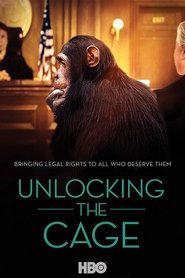
Unlocking the Cage
2016
star 6.8Renowned filmmakers D A Pennebaker and Chris Hegedus follow determined animal rights activist Steven Wise into the courtroom for an unprecedented battle that seeks to utilize the writ of habeas corpus to expand legal “personhood” to include certain animals. Wise’s unusual plaintiffs—chimpanzees Tommy and Kiko, once famed showbiz stars—are now living in filth, struggling to survive. Wise and his impassioned legal team take us into the field, revealing gripping evidence of such abuse and plunging us into the intricacies of their case as they probe preconceived notions of what it means to be a non-human animal.The Founders
2016
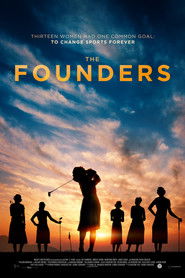
The Founders
2016
star 6The remarkable story of how 13 amateur female golfers fought to form the LPGA in 1950. With the odds stacked against them, they made history.Jim: The James Foley Story
2016
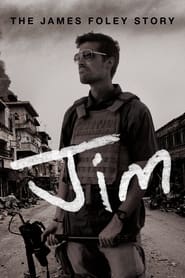
star 7.4In August, 2014, a video of the public execution of American photojournalist James Foley rippled across the globe. Foley wore an orange jumpsuit as he knelt beside an ISIS militant dressed in black. That image challenged the world to deal with a new face of terror. And it tested one American family. Seen through the lens of filmmaker Brian Oakes, Foley’s close childhood friend, Jim takes us from small-town New England to the adrenaline-fueled front lines of Libya and Syria, where Foley pushed the limits of danger to report on the plight of civilians impacted by war.Los Punks: We Are All We Have
2016
star 5.8Los Punks: We Are All We Have is an intimate documentary about the teens and young adults who find meaning in the thriving punk rock scene in the backyards of South Central and East Los Angeles.The Settlers
2016
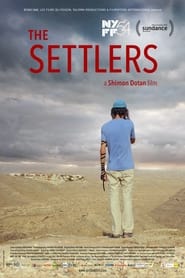
The Settlers
2016
star 6In the nearly 50 years since Israel's decisive victory in the 1967 Six-Day War, hundreds of thousands of Israeli citizens have established expanding communities in the occupied territories of the West Bank. Frequently coming into direct conflict with the region's Palestinian inhabitants, and facing the condemnation of the international community, the settlers have been viewed by some as the righteous vanguard of modern Zionism and by others as overzealous squatters who are the greatest impediment to the possibility of peace in the region.When Two Worlds Collide
2016
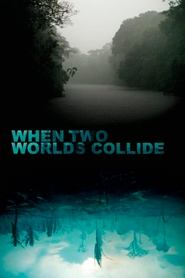
star 7.2In this tense and immersive tour de force, audiences are taken directly into the line of fire between powerful, opposing Peruvian leaders who will stop at nothing to keep their respective goals intact. On the one side is President Alan Garcia, who, eager to enter the world stage, begins aggressively extracting oil, minerals, and gas from untouched indigenous Amazonian land. He is quickly met with fierce opposition from indigenous leader Alberto Pizango, whose impassioned speeches against Garcia’s destructive actions prove a powerful rallying cry to throngs of his supporters. When Garcia continues to ignore their pleas, a tense war of words erupts into deadly violence.Prescription Thugs
2016
Prescription Thugs
2016
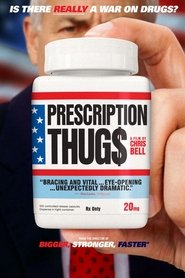
star 6.4Americans consume 75% of the world’s prescription drugs. After losing his own brother to the growing epidemic of prescription drug abuse, documentarian Chris Bell sets out to demystify this insidious addiction. Bell’s examination into the motives of big pharma and doctors in this ever-growing market leads him to meet with experts on the nature of addiction, survivors with first-hand accounts of their struggle, and whistleblowers who testify to the dollar-driven aims of pharmaceutical corporations. Ultimately his investigation will point back to where it all began: his own front door.Offshore: Elmer and the Swiss Bank Secrecy
2016
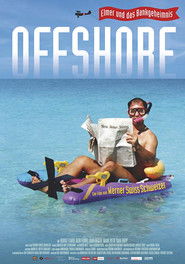
While managers of Swiss banks in the USA ruefully apologize for their tax evasions practices and customer data is disclosed to the American authorities, Rudolf Elmer, former auditor at bank Julius Bär, is indicted for violating the Swiss banking secrecy law on the Cayman Islands. Rudolf Elmer: from insider to critic.Norman Lear: Just Another Version of You
2016
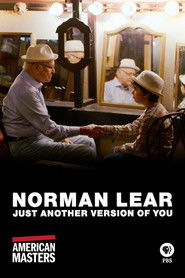
star 7.1Arguably the most influential creator, writer, and producer in the history of television, Norman Lear brought primetime into step with the times. Using comedy and indelible characters, his legendary 1970s shows such as All In the Family, Maude, Good Times, and The Jeffersons, boldly cracked open dialogue and shifted the national consciousness, injecting enlightened humanism into sociopolitical debates on race, class, creed, and feminism.The Occupation of the American Mind
2016
star 8.4Over the past few years, Israel's ongoing military occupation of Palestinian territory and repeated invasions of the Gaza strip have triggered a fierce backlash against Israeli policies virtually everywhere in the world—except the United States. This documentary takes an eye-opening look at this critical exception, zeroing in on pro-Israel public relations efforts within the U.S.Seasons
2016
Seasons
2016
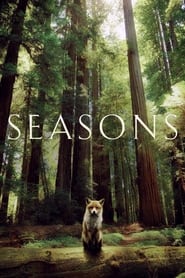
star 7Jacques Perrin and Jacques Cluzaud travel throughout Europe to film brown bears, wild horses, wolves and other animals in their natural habitat.Netanyahu at War
2016
Netanyahu at War
2016
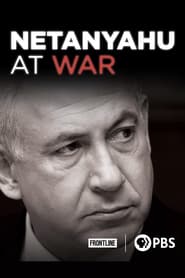
star 8The inside story of the bitter clash between President Obama and Israeli Prime Minister Netanyahu. Amid violence in the Middle East, the film traces Netanyahu's rise to power and his high-stakes fight with the president over Iran's nuclear program.My Bolivia: Remembering What I Never Knew
2016
A documentary filmmaker travels to Bolivia to learn more about his father and his family's history.The People's Girls
2016
The People's Girls
2016
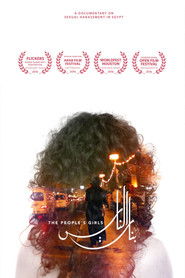
For most men in Egypt, if a girl wears tight or skin-revealing clothes, she makes herself desirable and deserves to be stared at. Not all the blame can be put on the men as their own mothers often share the same belief. Two students from the American University of Cairo document the ordeal women face simply walking down the streets, even in broad daylight. Filled with interviews and social experiments, ‘The People's Girls’ highlights how Egypt is getting more regressive by the day with hardly any measures taken to keep its women safe.Speeches That Changed The World
2016
Words and delivery can combine to galvanize an audience, creating ‘I remember where I was when...’ moments. JFK at the Brandenburg Gate or Martin Luther King at the Lincoln Memorial provide unforgettable examples that still stir today. This collection of classic speech excerpts contains not only inspiring orations to democratic freedom and the noblest aspects of human endeavor, but also some of the darkest and most despicable speeches delivered in modern times.Jihad in Hollywood
2016
Jihad in Hollywood
2016
Once a successful Syrian actor, Jihad Abdo is now struggling as a refugee while trying to reinvent his life and rebuild his career.The Nuclear Requiem: The Nuclear World Project
2016
For over seven decades the nuclear bomb has been a presence in our lives. The Nuclear Requiem is a meditation, based on a journey taken during the 70th anniversary, with voices representing different views on the continuing struggle of dealing with the most lethal weapon ever created, the nuclear weapon.The Listeners
2016
The Listeners
2016
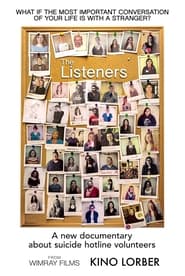
star 7The Listeners follows new volunteer trainees in suicide prevention as they answer suicide hotlines. Through their eyes and ears the film examines mental health and suicide prevention, volunteerism and the life-saving power of empathy.The 1936 Olympic Games
2016
On the 1st August 1936, 100,000 spectators watched as Hitler and the Olympic delegates arrived at the Olympic opening ceremony in Berlin. The Olympic flags hung cheerfully side-by-side banners bearing the Nazi swastika. With the help of specialists and images from Léni Riefenstahl’s 1938 film, ‘Olympia’, we see what really went on behind the scenes and investigate the secret negotiations and compromises made by the International Olympic Committee to bring the Olympics to Berlin.