New Documentary Movies on Kanopy - Page 187
All Services
Free Services
 Netflix
 Amazon Prime Video
 Apple iTunes
 Apple TV Plus
 Disney Plus
 Google Play Movies
 Paramount Plus
 Hulu
Hulu
 HBO Max
 YouTube
 fuboTV
 Peacock
 Peacock Premium
 Amazon Video
 The Roku Channel
 AMC+
AMC on Demand
AMC+
AMC on Demand
 Kocowa
 Hoopla
 The CW
 Vudu
Vudu
 Starz
Starz
 Showtime
 PBS
PBS
 Pantaflix
 FXNow
FXNow
 Tubi TV
 Kanopy
 Comedy Central
 Crunchyroll
 Microsoft Store
 Redbox
 Sun Nxt
 ABC
ABC
 DIRECTV
 Crackle
 Fandor
 Plex
Plex
Netflix
Amazon Prime Video
Apple iTunes
Apple TV Plus
Disney Plus
Google Play Movies
Paramount Plus
Hulu
HBO Max
YouTube
fuboTV
Peacock
Peacock Premium
Amazon Video
The Roku Channel
AMC+
AMC on Demand
Kocowa
Hoopla
The CW
Vudu
Starz
Showtime
PBS
Pantaflix
FXNow
Tubi TV
Kanopy
Comedy Central
Crunchyroll
Microsoft Store
Redbox
Sun Nxt
ABC
DIRECTV
Crackle
Fandor
Plex

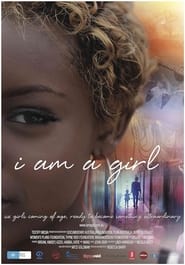
I Am a Girl
2013
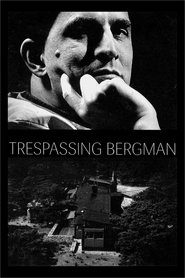
Trespassing Bergman
2013
Trespassing Bergman
2013
star 6.6In the sixties, Swedish filmmaker Ingmar Bergman (1918-2007) built a house on the remote island of Fårö, located in the Baltic Sea, and left Stockholm to live there. When he died, the house was preserved. A group of very special film buffs, came from all over the world, travel to Fårö in search of the genius and his legacy. (An abridged version of Bergman's Video, 2012.)Rewind This!
2013
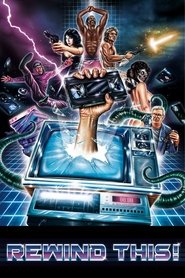
Rewind This!
2013
star 6.9Home video changed the world. The cultural and historical impact of the VHS tape was enormous. This film traces the ripples of that impact by examining the myriad aspects of society that were altered by the creation of videotape.Glickman
2013
Glickman
2013
star 8.7Before Marv Albert and Bob Costas, there was Marty Glickman. A gifted Jewish-American athlete who was denied the chance to represent the U.S. at the 1936 Berlin Olympics, he went on to become one of the most revered and influential sportscasters in history, pioneering many of the techniques, phrases and programming innovations that are commonplace in sports reporting today.The Trials of Muhammad Ali
2013
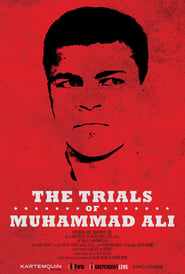
star 7.1Brash boxer Cassius Clay burst into the American consciousness in the early 1960s, just ahead of the Civil Rights movement. His transformation into the spiritually enlightened heavyweight champion Muhammad Ali is legendary, but this religious awakening also led to a bitter legal battle with the U.S. government after he refused to serve in the Vietnam War. This film reveals the perfect storm of race, religion and politics that shaped one of the most recognizable figures in sports history.To Breathe as One
2013
To Breathe as One
2013
In 2009 Maureen & James Tusty, filmmakers for The Singing Revolution, produced a second film out of Estonia. Seen nationally on U.S. Public Broadcasting, this one hour documentary tells the history of Estonia’s massive Song Festival, and the role music plays in Estonian culture, even today.Muscle Shoals
2013
Muscle Shoals
2013
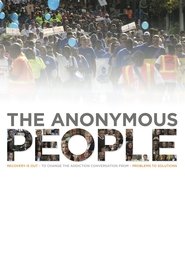
star 7.2In a tiny Alabama town with the curious name of Muscle Shoals, something miraculous sprang from the mud of the Tennessee River. A group of unassuming, yet incredibly talented, locals came together and spawned some of the greatest music of all time: “Mustang Sally,” “I Never Loved a Man,” “Wild Horses,” and many more. During the most incendiary periods of racial hostility, white folks and black folks came together to create music that would last for generations and gave birth to the incomparable “Muscle Shoals sound.”The Anonymous People
2013
The Anonymous People
2013
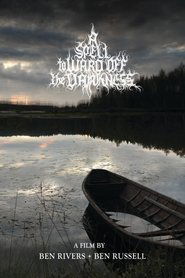
star 3.5An independent feature documentary about the over 23 million Americans living in long-term recovery from alcohol and other drug addictions.A Spell to Ward Off the Darkness
2013
star 6.2A man at three disparate moments in his life: as a member of a fifteen-person collective on a small Estonian island, alone in the wilderness of Northern Finland and as the singer of a neo-pagan black metal band in Norway. Three moments for a radical proposition for the creation of utopia in the present.Off Label
2013
Off Label
2013
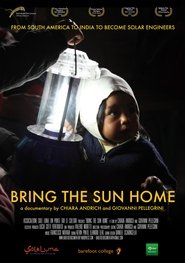
star 4.8A road trip through medicalized America, examining the pervasiveness of pharmaceutical drugs through the lives of eight very unique characters.Bring the Sun Home
2013
Bring the Sun Home
2013
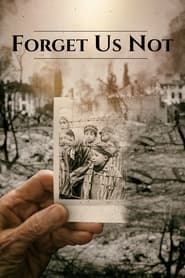
Women. Illiterate. Coming from villages with no light. They leave their villages in South America to go in India to become solar engeneers. They will bring solar light back home.Forget Us Not
2013
Forget Us Not
2013
star 6.7An in depth look at the persecution and subsequent death of the 5 million non Jewish victims of the World War II Holocaust and the lives of those who survived. Through stories of survivors and historical footage, these lesser known voices are brought to life. From the Roma and Sinti people who were also targeted for complete annihilation to the thousands of Catholic Priests who were killed for speaking out, Forget Us Not strives to educate and give tribute to those who were killed for their religion, ethnicity, political views, sexual orientation and physical handicaps.Jeepney
2013
Jeepney
2013
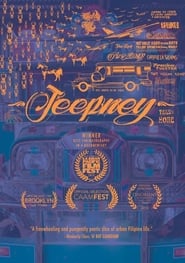
JEEPNEY visualizes the richly diverse cultural and social climate of the Philippines through its most popular form of mass transportation: vividly decorated ex-WWII military jeeps. The film follows jeepney artists, drivers, and passengers, whose stories take place amidst nationwide protest against oil price hikes that pressure drivers to work overseas to earn a living, far from their homes for years at a time. Lavishly shot and cut to the rhythm of the streets, JEEPNEY provides an enticing vehicle through which the rippling effects of globalization can be felt.He Toki Huna: New Zealand in Afghanistan
2013
Annie Goldson and Kay Ellmers’ doco, expanded from the film they made for Maori Television, takes a timely look at New Zealand’s military and media, notably journalist Jon Stephenson, in Afghanistan.Gore Vidal: The United States of Amnesia
2013
star 7.8Anchored by intimate, one-on-one interviews with the man himself, Nicholas Wrathall’s new documentary is a fascinating and wholly entertaining tribute to the iconic Gore Vidal. Commentary by those who knew him best—including filmmaker/nephew Burr Steers and the late Christopher Hitchens—blends with footage from Vidal’s legendary on-air career to remind us why he will forever stand as one of the most brilliant and fearless critics of our time.Jamel Shabazz Street Photographer
2013
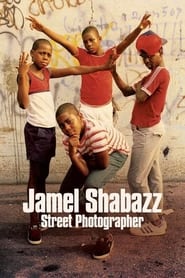
star 6.4Documentary following the career of Brooklyn-born photographer Jamel Shabazz, who captured hip-hop in its infancy long before it became a worldwide phenomenon. His iconic images of kids sporting sneakers and savvy street style caught the essence of hip-hop as it exploded onto the streets of New York. Intimate interviews with Shabazz and hip hop pioneers explore the hundreds of individual stories and urban history behind a revolutionary cultural movement.A People Uncounted: The Untold Story of the Roma
2013
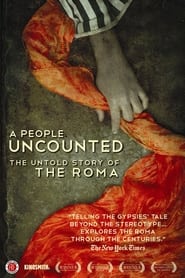
star 8.5The Roma, commonly referred to as Gypsies, have been both romanticized and vilified in popular culture. Dozens of Roma from 11 countries—including Holocaust survivors, historians, activists, and musicians--bring Romani history to life through poetry, music, and compelling first-hand accounts.Unsupersize Me
2013
Unsupersize Me
2013
star 6.7Unsupersize Me documents the inspiring story of Juan-Carlos Asse, owner of Zen Fitness, a personal training studio in Gainesville, Florida, and his quest to prove that a whole foods, plant-based diet coupled with an exercise regimen is capable of remarkably and rapidly improving the health of any and every individual. Asse takes his lifelong passions of fitness and nutrition setting out to demonstrate what he has witnessed in his training studio time and time again. The plant-based diet with exercise is the most effective and expeditious way to obtain optimal health.White Like Me
2013
White Like Me
2013
In White Like Me, anti-racist educator Tim Wise explores race and racism in the US through the lens of whiteness and white privilege.Neurotypical
2013
Neurotypical
2013
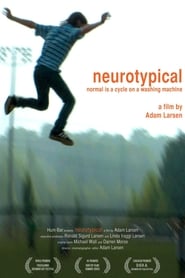
Neurotypical is an unprecedented exploration of autism from the point of view of autistic people themselves. Four-year-old Violet, teenaged Nicholas and adult Paula occupy different positions on the autism spectrum, but they are all at pivotal moments in their lives. How they and the people around them work out their perceptual and behavioral differences becomes a remarkable reflection of the "neurotypical" world — the world of the non-autistic — revealing inventive adaptations on each side and an emerging critique of both what it means to be normal and what it means to be human.