New Documentary Movies on Kanopy - Page 223
All Services
Free Services
 Netflix
 Amazon Prime Video
 Apple iTunes
 Apple TV Plus
 Disney Plus
 Google Play Movies
 Paramount Plus
 Hulu
Hulu
 HBO Max
 YouTube
 fuboTV
 Peacock
 Peacock Premium
 Amazon Video
 The Roku Channel
 AMC+
AMC on Demand
AMC+
AMC on Demand
 Kocowa
 Hoopla
 The CW
 Vudu
Vudu
 Starz
Starz
 Showtime
 PBS
PBS
 Pantaflix
 FXNow
FXNow
 Tubi TV
 Kanopy
 Comedy Central
 Crunchyroll
 Microsoft Store
 Redbox
 Sun Nxt
 ABC
ABC
 DIRECTV
 Crackle
 Fandor
 Plex
Plex
Netflix
Amazon Prime Video
Apple iTunes
Apple TV Plus
Disney Plus
Google Play Movies
Paramount Plus
Hulu
HBO Max
YouTube
fuboTV
Peacock
Peacock Premium
Amazon Video
The Roku Channel
AMC+
AMC on Demand
Kocowa
Hoopla
The CW
Vudu
Starz
Showtime
PBS
Pantaflix
FXNow
Tubi TV
Kanopy
Comedy Central
Crunchyroll
Microsoft Store
Redbox
Sun Nxt
ABC
DIRECTV
Crackle
Fandor
Plex

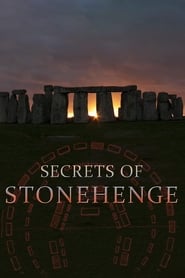
Secrets of Stonehenge
2010
star 8Dated to the late Stone Age, Stonehenge may be the best-known and most mysterious relic of prehistory. Every year, a million visitors are drawn to England to gaze upon the famous circle of stones, but the monument's meaning has continued to elude us. Now investigations inside and around Stonehenge have kicked off a dramatic new era of discovery and debate over who built Stonehenge and for what purpose. How did prehistoric people quarry, transport, sculpt, and erect these giant stones? Granted exclusive access to the dig site at Bluestonehenge, a prehistoric stone-circle monument recently discovered about a mile from Stonehenge, NOVA cameras join a new generation of researchers finding important clues to this enduring mystery.Don't Get Sick After June: American Indian Healthcare
2010
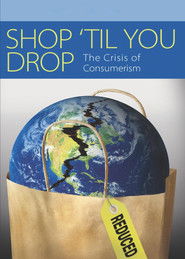
Declared wards of the state, Native Americans were promised housing, education and healthcare in numerous treaties with the US Government. Like so many other federal promises, these too have not been met. The budget shortfall to the Indian Health Service continues. Add to this generational trauma of subjugation, reservations, boarding schools and alienation, their health and their healthcare is in a critical state. This is the story of the program's inception of our government's obligation to America's first people.Shop 'Til You Drop: The Crisis of Consumerism
2010
Are we too materialistic? Are we wantonly destroying the planet with our pettiness? Where is the source of all that energy and endless consumer desires? The document calls for a direct confrontation with these questions. Focusing on the long-term deteriorating ecological and mental realm of American consumerist culture and all the chaotic materialism, he reaches beneath the surface of the commercial world to show that the consequence of growth is impoverishment - the slow and steady depletion of natural resources and basic human values. It shows the connection between the limits of consumerism and our own well-being, and encourages people to develop a critical view of the current economic situation.Eight Ladies
2010
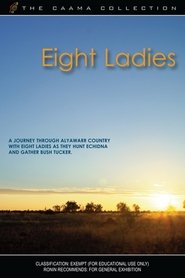
Eight Ladies
2010
The eight ladies in this film come from Alyawarr Country in the Sandover River region in central Australia, about 250km north of Alice Springs. The filmmakers joined them on a five-day journey into the bush to hunt echidna and gather bush foods such as the bush potato. As they hunt and gather, and as they sit around their campfire at night preparing the food, they talk about the old days and how life has changed.Bitter Roots
2010
Bitter Roots
2010
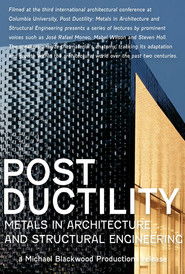
BITTER ROOTS: THE ENDS OF A KALAHARI MYTH is set in Nyae-Nyae, a region of Namibia located in southern Africa's Kalahari desert, traditional home of the Ju/'hoansi. It updates the ethnographic film record begun in the 1950s by John Marshall, whose films documented 50 years of change, and who together with Claire Ritchie, established a grass-roots development foundation, which Adrian Strong (the filmmaker) joined in the late 1980s. Through archival footage and discussions with community members, this film sensitively examines the problems (lions, elephants, conservationists) currently facing the Ju/'hoansi and challenges the myth that they are culturally unable to farm. The film investigates the perpetuation of this myth by showing how tourists and filmmakers still demand to see how people used to live rather than they way they live now, and how the Ju/'hoansi cope with such expectations, while steadfastly continuing to farm against all the odds.Post Ductility: Metals in Architecture and Structural Engineering
2010
"Post Ductility: Metals in Architecture and Structural Engineering" presents a series of detailed lectures during which the past, present and future of metal is discussed. Speakers such as José Rafael Moneo, Mabel Wilson and Steven Holl bring forth examples of the material's merit and methodical use over the past two centuries. The engineerical history addressed during the conference highlights the developmental and aesthetical reliance designers have consistently felt towards metal as a material. Citing its form, structure and construction, the lecturers analyze the material's anatomy, tracking its adaptation and growth within the architectural world.Bunong's Birth Practices
2010
On the basis of a social anthropological case study, this film documents the birth practices of the Bunong in Mondulkiri province, located in the northeast of Cambodia. Social, economic, and political changes are transforming the province tremendously and are affecting villagers' beliefs, perceptions and habits regarding pregnancy, delivery and early motherhood. Traditional midwives, pregnant women, mothers and their families give a personal insight into their present decision-making strategies, which are at the crossroads between tradition and modernity.Queen of the Sun: What Are the Bees Telling Us?
2010
Bees have existed in the world for 150 million years. They are essential helpers for the growth of plants and crops that serve as food for other animals. During their development, people realized the importance of bees and have been involved in beekeeping since ancient times. Recently, however, bees have begun to die excessively for no apparent reason. The film addresses the dramatically deteriorating health of bee colonies and the unforeseeable consequences that bee mortality can have for our very existence. It seeks answers to the questions of what bees actually want to tell us and what significance bees have in the broader context of sustainability of life on Earth. To prevent such a catastrophe, our approach to beekeeping must be fundamentally changed. In this regard, the film offers many stimuli and inspiring examples from around the world.Intervention 2 Years On
2010
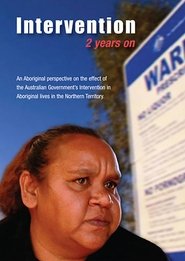
This impassioned documentary was rejected for broadcast by ABC TV as "biased" and lacking "balance". John Howard introduced the Intervention legislation in July 2007. Two years later, an official United Nations rapporteur on human rights, Professor James Anaya, described the policy as an "extraordinary measure which infringes on the rights and determinations of Indigenous People". In this film, two Aboriginal spokespersons - Barbara Shaw from the Mount Nancy Town Camp, Alice Springs, and Richard Downs from the Alyawarr Nation - give their views on the effect of the legislation over its first two years of operation. Their stories are accompanied by archival footage and news broadcasts of key moments in the history of the Intervention. Richard Downs speaks especially of the shame and humiliation that came with Howard's unsupported allegations of child abuse in Aboriginal communities, and of the disillusionment that came with the Rudd government's continuation of Howard's policies.My So-Called Enemy
2010
My So-Called Enemy
2010
star 5In July 2002, 22 Palestinian and Israeli teenage girls came to the U.S. to participate in a women's leadership program called Building Bridges for Peace. "My So Called Enemy" is a coming of age story about 6 of the program participants and how they reconcile their transformative experience in the program with the realities of life back home in the Middle East over the next 7 years. What unfolds is an emotionally-charged film about the human consequences of all conflicts--as seen through the eyes of 6 young women who are thoughtful, intelligent and articulate beyond their years.The Game is On
2010
The Game is On
2010
After 9/11, the fight for immigration reform in the U.S. moves from Washington, DC to a small town in Iowa.The Son of the Olive Merchant
2010
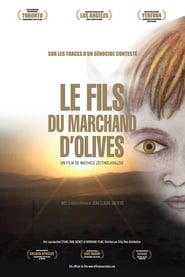
star 7For their honeymoon, Anna and Mathieu went to Turkey. With camera in hand, they traced the footsteps of Garabed, the Armenian grand-father of Mathieu, who escaped the 1915 genocide. In this country where speaking of the Armenian genocide could be dangerous, their name with Turkish intonations serves a purpose to get people talking about their idea of the Turkish involvement during 1915 tragedy. A road trip across the country leads to a sad confirmation - the denial has become institutional.Memories Of A Dreamer: The Journey Of A Political Prisoner
2010
Memories of a Dreamer is a first person account of the hardship suffered by a political prisoner from Chile's 1973 cruel dictatorship. Felix Mora recounts shocking details of the torture he endured, his escape from the dictatorship and the challenges he has faced as an exile in Italy and Canada. The question is has Felix allowed torture and exile to shatter his dreams of obtaining justice and being able to return to Chile? Or has he used that suffering as a force to accomplish that dream?When the World Breaks
2010
Exploring the idea that times of extreme difficulty facilitate increased resourcefulness and creativity, this compelling documentary takes a look at the art, music, literature, business, architecture, sports and entertainment of the Great Depression. The filmmakers also interview both ordinary people dealing with crisis and a diverse group of luminaries -- including Buzz Aldrin, Jesse Jackson, Hugh Downs, Mickey Rooney and Jerry Stiller.Brilliant Moon: Glimpses of Dilgo Khyentse Rinpoche
2010
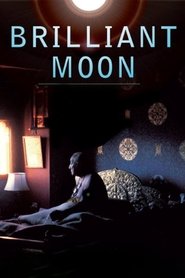
star 7Brilliant Moon chronicles the life of the writer, poet, and meditation master Khyentse Rinpoche, one of Tibet's most revered 20th-century Buddhist teachers. Spiritual guide to His Holiness the Dalai Lama and the Royal Family of Bhutan, his life and teachings were an inspiration to all who encountered him. Richard Gere and Lou Reed provide the narration for his dangerous journey out of China, the subsequent spread of his influence and the search for his reincarnation after his death.Made in India
2010
Made in India
2010
star 6This eye-opening doc explores the phenomena of "outsourcing" surrogate mothers to India. Weaving together personal stories within a growing international industry, the film reveals the clash of reproductive technology and choice from a global perspective.This Land Is Our Land
2010
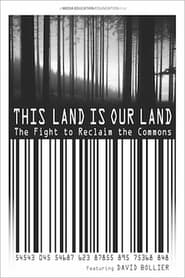
For more than three decades, transnational corporations have been busy buying up what used to be known as the commons -- everything from our forests and our oceans to our broadcast airwaves and our most important intellectual and cultural works. In This Land is Our Land, acclaimed author David Bollier, a leading figure in the global movement to reclaim the commons, bucks the rising tide of anti-government extremism and free market ideology to show how commercial interests are undermining our collective interests. Placing the commons squarely within the American tradition of community engagement and the free exchange of ideas and information, Bollier shows how a bold new international movement steeped in democratic principles is trying to reclaim our common wealth by modeling practical alternatives to the restrictive monopoly powers of corporate elites.Master Qi and the Monkey King
2010
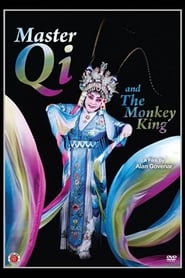
Master Qi and the Monkey King explores the life and work of the preeminent master of Chinese Opera living in the United States. Qi Shu Fang was a household name in China due to her feature role in one of the Cultural Revolution Opera films, and traveled the world to show off her mastery of the art form. The film explores the reasons why Ms. Qi, her husband and a whole troupe of Chinese Opera performers have moved to the United States to transplant their art form to a foreign culture.Living for 32
2010
Living for 32
2010
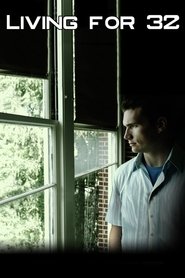
Living for 32 is the inspirational story of Colin Goddard, a survivor of the tragic gun shooting massacre which occurred on the Virginia Tech campus, April 16th, 2007. The winning combination of Colin's passion, charisma and optimism has commanded the attention of the American public and media since the devastating incident which left 32 dead and 17 injured. In Living for 32, Colin shares an intimate account of terror he and his classmates endured and the courageous journey of renewal and hope he chose to pursue.Bonsai People: The Vision of Muhammad Yunus
2010
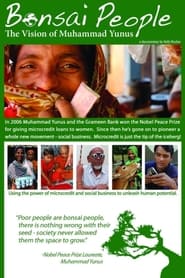
star 10Bonsai People is a feature length documentary film that explores the work of Nobel Peace Prize winner Muhammad Yunus and his vision from microcredit to social business