New Movies on Pantaflix - Page 444
All Services
Free Services
 Netflix
 Amazon Prime Video
 Apple iTunes
 Apple TV Plus
 Disney Plus
 Google Play Movies
 Paramount Plus
 Hulu
Hulu
 HBO Max
 YouTube
 fuboTV
 Peacock
 Peacock Premium
 Amazon Video
 The Roku Channel
 AMC+
AMC on Demand
AMC+
AMC on Demand
 Kocowa
 Hoopla
 The CW
 Vudu
Vudu
 Starz
Starz
 Showtime
 PBS
PBS
 Pantaflix
 FXNow
FXNow
 Tubi TV
 Kanopy
 Comedy Central
 Crunchyroll
 Microsoft Store
 Redbox
 Sun Nxt
 ABC
ABC
 DIRECTV
 Crackle
 Fandor
 Plex
Plex
Netflix
Amazon Prime Video
Apple iTunes
Apple TV Plus
Disney Plus
Google Play Movies
Paramount Plus
Hulu
HBO Max
YouTube
fuboTV
Peacock
Peacock Premium
Amazon Video
The Roku Channel
AMC+
AMC on Demand
Kocowa
Hoopla
The CW
Vudu
Starz
Showtime
PBS
Pantaflix
FXNow
Tubi TV
Kanopy
Comedy Central
Crunchyroll
Microsoft Store
Redbox
Sun Nxt
ABC
DIRECTV
Crackle
Fandor
Plex

Sacha Guitar: The Mysteries of the Mountain
2025
Elpidio Herrera, a physics and mathematics professor, musician, composer, and luthier, was the father of a mystery: the Sacha Guitar. A magical instrument whose joy and cry unite the mountains and Salamanca, transcending the Santiago region to conquer the world.Olivia and the Shadows
2025
Olivia is a 9-year-old girl who lives with the body of her murdered mother. While she tries to go about her daily life normally, a police inspector tries to unravel what happened at the scene.Über Unterbiberger
2025
Über Unterbiberger
2025
Franz Himpsl is an athlete, teacher, trumpeter, chaotic spirit, and founder of the Unterbiberger Hofmusik. Together with his wife Irene and their sons Xaver, Ludwig, and Franz Jr., he breaks through the barriers of Bavarian folk music, blending it with jazz and influences from around the globe. Their motto: Respect – and don’t piss your pants! The film accompanies them on musical journeys around the world: to Marrakesh, the pyramids, Alexandria, the Nile, and even the skies above Iran – while Father Franz returns to his roots in the “Woid,” the deepest Bavarian Forest.Don't Answer
2025
Don't Answer
2025
Jack Nelson isn’t your average delivery driver. Mistakenly let out of a mental institution with a new job in small-town California, the locals are in for a nightmare. Jack isn’t looking to deliver - he’s looking for his next victim.Notes From a Poet
2025
Notes From a Poet
2025
After discovering an enigmatic inscription in a library book, a restless dreamer embarks on a quest to unlock its meaning.The Price of Paradise
2025
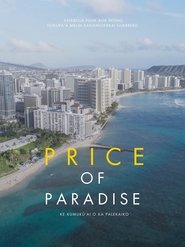
Born on the remote Kalaupapa peninsula on Moloka‘i—once a forced isolation settlement for people with Hansen’s Disease—Lindamae was taken from her mother at birth and placed for adoption. Her story mirrors that of many children of Kalaupapa, torn from their families in a system that erased identities and silenced voices. As Lindamae reunites with her birth family and seeks answers, her journey exposes the historical trauma of forced separation, colonial exploitation, and cultural erasure in Hawai‘i.Stella Gemella
2025
Stella Gemella
2025
The story, set in a rural place, tells in a comic way the difference between the slow pace of the province and the frenetic pace of the capital.Only Heaven Knows
2025
Only Heaven Knows
2025
After Mira's husband mysteriously disappears, she is thrust on a journey to uncover his secret double life.One Summer Day, I Drank Bubble Tea
2025
If you’re an Iranian filmmaker, you’re sure to make it into film festivals. If you’re a Burmese filmmaker, chances are you’ll be on the festival radar, too. It doesn’t matter how good or bad your film is. Two directors reflect on privilege and cynicism, all while trying to maintain a clear conscience. The two reflect: am I being noticed for my work, or because of my country’s political situation? Do you see yourself as an artist or a political activist? Is this nothing but a safari of opportunities that someone still dares to call the film industry?Mad Max and the Genius of George Miller
2025
The improbable story of how one 1970s Australian film grew into the country’s biggest ever cultural export, and the intertwined story of its creator, George Miller, his singular cinematic vision and how it set him on an unlikely journey from outback Queensland to the pinnacle of Hollywood success.Madklubben: Hjemme Igen
2025
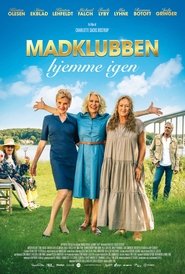
star 5.8The three friends, Marie, Berling, and Vanja, are back home. They’ve moved in together in a large, beautiful house with high ceilings and a weekly dinner club. Marie is getting used to life as a newly divorced woman, the new grandmother Vanja takes care of both child and grandchild, while Berling has been forced into retirement. But with their usual impressive energy, the three women — led by Berling — decide to create Funen’s biggest local food festival! A decision that doesn’t go unnoticed, either within or around their small household.Никита
2025
Никита
2025
A documentary about the spiritual and personal life of Nikita Mikhalkov. The plot covers 66 years of friendship between him and the author - Nikolaev Burlyaev. The film uses unique archival materials.My Last Wedding Photo
2025
A ruined wedding photo sparks a journey through Taiwan’s iconic pre-wedding photographers—uncovering stories of fantasy, rebellion, and pain, and leading to a deeper reflection on femininity, absence, and the unreachable idea of perfection.A Long Way Home
2025
A Long Way Home
2025
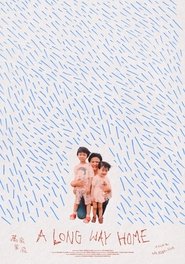
After her birth, Nien-hua never met her father and was raised solely by her mother. She lived with her mother and older sister in a community building named “Viva Family.” To outsiders, her mother seemed to excessively pamper her children, but in reality, she used various forms of violence to discipline them. At the age of 23, Nien-hua receives a strange message on Facebook from her father, who had never been present in her life. He talks about their brief marriage in a way Nien-hua has never heard before. This regret of never having met her father leads Nien-hua to decide to meet him. As the director seeks to unravel this repressed event, she discovers that each person remembers it in a vastly different way. In the search for truth, everyone reveals their own secrets and inadvertently confirms a recurring dream.Where He Went
2025
Project1
2025
Project1
2025
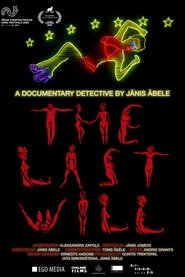
A three-hour animated "triptych" about emptiness, being nothing but the lack of environment and absence of population.The Last Will
2025
The Last Will
2025
Anatols Imermanis was a Latvian crime writer and a poet during Soviet occupation. He could call himself a successful, financially stable soviet writer. But he wanted more – to be free. The free West, especially Paris, was a life-long dream for Imermanis, but he was never allowed to leave the Soviet Union. So he created his own personal Paris – a bohemian lifestyle, sexual freedom, ignoring all puritan norms of the soviet world. He died alone without fulfilling his dream about Paris. But death was not a reason to give up – his last will was to be cremated and his ashes to be dispersed in Paris red light quarters.The Salem Chronicles
2025
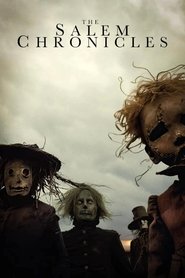
The Salem Chronicles
2025
When a detective returns to his childhood home in Salem to settle the estate of his mother, he discovers the wicked truth of his bloodline and tries to escape a house of horror.50 Jahre Roland Kaiser - Ein Leben für die Musik
2025
He has never been more successful than he is today: in 2024, Roland Kaiser broke all audience records on his sold-out anniversary tour, was awarded his third Golden Hen, honored with four stamps of his own, and immortalized as a wax figure. And in 2025, the charismatic singer and entertainer is once again in top creative form—among other things, with the release of his new LP “Marathon.” In 2025, Kaiser will also be seen on the big screen for the first time.