New Documentary Movies on Pantaflix - Page 18
All Services
Free Services
 Netflix
 Amazon Prime Video
 Apple iTunes
 Apple TV Plus
 Disney Plus
 Google Play Movies
 Paramount Plus
 Hulu
Hulu
 HBO Max
 YouTube
 fuboTV
 Peacock
 Peacock Premium
 Amazon Video
 The Roku Channel
 AMC+
AMC on Demand
AMC+
AMC on Demand
 Kocowa
 Hoopla
 The CW
 Vudu
Vudu
 Starz
Starz
 Showtime
 PBS
PBS
 Pantaflix
 FXNow
FXNow
 Tubi TV
 Kanopy
 Comedy Central
 Crunchyroll
 Microsoft Store
 Redbox
 Sun Nxt
 ABC
ABC
 DIRECTV
 Crackle
 Fandor
 Plex
Plex
Netflix
Amazon Prime Video
Apple iTunes
Apple TV Plus
Disney Plus
Google Play Movies
Paramount Plus
Hulu
HBO Max
YouTube
fuboTV
Peacock
Peacock Premium
Amazon Video
The Roku Channel
AMC+
AMC on Demand
Kocowa
Hoopla
The CW
Vudu
Starz
Showtime
PBS
Pantaflix
FXNow
Tubi TV
Kanopy
Comedy Central
Crunchyroll
Microsoft Store
Redbox
Sun Nxt
ABC
DIRECTV
Crackle
Fandor
Plex

L'hermite
2025
L'hermite
2025
1799, diario
2025
1799, diario
2025
Our Rangsot
2025
Our Rangsot
2025
Set in Rangsot, this film unravels how memory, play, and storytelling endure through voice, gesture, and communal presence. Songs once sung to lull children, tales whispered by parents, and games played with sticks, stones, or dragonflies re-emerge as elders recount them—sometimes laughing, sometimes grieving. The film reflects on how the apparatus mediates these transmissions. Between oral history and the camera’s framing, it explores how memory is shaped, reenacted, and perhaps even transformed through the production and consumption of technical images.Glass Bottom Ferry. On Borders and Submerged Utopias
2025
This audiovisual essay dives into the complexity of the border space from three European enclaves located in African territory: Ceuta, Melilla and the Canary Islands. The film plunges into the gap that unites and separates Africa and Europe, in search of the ruins and ghosts from the wreckage of the utopias that have grown on both sides: Europe as a promised land for the dispossessed South and Africa as a paradise for the exotic-hungry North.Constructed
2025
Constructed
2025
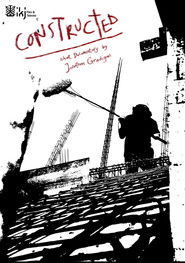
star 10After 12 years of documentary courses being absent as a form of Integrated Practicum in the Film Department at IKJ, Bikeska, Paul, Arrivo, and Raihanul chose to break the tradition. Amidst the dominance of fiction films, which are considered more prestigious, they chose documentaries due to budget constraints and a desire to respond to the world in a more honest and intimate way. Their poetic documentary film captures two layers of reality: a man who draws architectural spaces, and the laborers who build them. However, the process led to a creative crisis and the images were too structured as the treatment felt like fiction filmmaking. The question arose: were they recording reality or constructing it? The camera turned around, highlighting the team’s process and confusion. Ultimately, the film not only captures space and labor, but also reflects that documentaries, like buildings, are the result of construction and choice.The Short Autumn
2025
Me ne vado e divento papa
2025
Antonello is a forty-year-old man from Irpinia who is deeply attached to his homeland despite the myriad daily problems he faces. Boredom, depression, the incivility around him and, above all, love convince him to pack his bags and leave in search of something new, a place where "people still look at the sky."Discarded Memories of the Past, Present, and Future
2025
Disjointed moments from the filmmakers’ daily lives during the past year. Captured on a 1985 VHS camcorder with color and luminosity distorted by its failing color Newvicon tube. Cut with distorted tape-recorded fragments of nostalgic broadcast television ephemera. Scored by whatever was handy— from an ambient electronic song with a surprising amount of pipe organ (Oneohtrix Point Never - Boring Angel) to midi versions of your favorite SNES soundtrack (Donkey Kong Country – Aquatic Ambience, Opening, and Treetop Rock) to a not-quite-right rendition of a song that will make you want to say “Oh, Angelo, that’s tearing my heart out!” (Xiu Xiu – Falling). A voyeuristic peak at home movies that exist somewhere between soon to be forgotten and forgotten long ago. The occasional dot matrix time stamps in the corner of the footage somehow make it harder to place in time.Fractured Hearts
2025
Fractured Hearts
2025
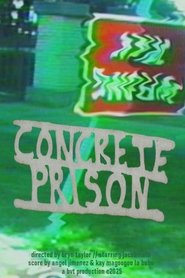
Filmed over four years, from Mexico City to Chicago, this documentary is a raw and intimate account of the creation of "Corazón Cicatrizado" (Scarred Heart) — an original and gut wrenching play, rooted in Mexico's deepest wounds: Ayotzinapa and Tlatelolco. With testimonies from different artists who lived the process in the flesh, this is the story behind "Corazón Cicatrizado," and the repeated attempts to bring it to life.Concrete Prison
2025
Revision
2025
Revision
2025
How do historical revisionism and negationism work today? The film examines this question using the example of the peace statues for the "comfort women" of World War II—victims of human trafficking—which are to be removed from public spaces. It is a rarely told story of decades of revisionism and worldwide resistance. The victims were mostly poor women and girls whose stories were long ignored. Can denial and erasure completely wipe out the past? Will the truth remain hidden forever, or will it be replaced by an idealized past?The Thrilling Ones
2025
The Thrilling Ones
2025
Four friends whose lives have taken them in different directions meet again. United once more, they enjoy the time together, reminiscing about past adventures and talking about their current jobs, love lives, problems, and dreams. In the process, painful memories resurface, and injuries, wounds, and scars become visible. Over several years, Elsa Deshors films the meetings with her friends - a film like a road trip that shows us how difficult it is to be a female read person, and how friendship, mutual understanding, and support help us to come to terms with the past and find a way towards the future.EMDR-Talk about Trees
2025
"What kind of times are these, when talking about trees is almost a crime? Because it implies silence about so many misdeeds!" Bertolt Brecht from the poem "To Those Born After," written in exile in Denmark between 1934 and 1938. A poetry film.Everybody Is Doing Everything Wrong (New Estonian Punk)
2025
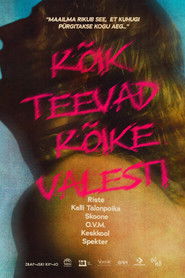
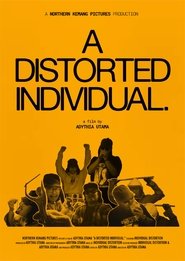
New Estonian punk is boiling over. A colourful group of bands with overlapping members – Skoone, Avemaria, O.V.M., Keskkool and Spekter – resemble 1980s American West Coast punk (Black Flag, X, Germs, Minor Threat, NOFX and The Cramps, among others) more than the staple acts of our Singing Revolution era. At the heart of this scene are young musicians such as Kalli Talonpoika, Riste Sofie Käär, Fredi-Methos Miller and Villu Tamm.A Distorted Individual
2025
After 18 years in the underground music scene, Individual Distortion sets his sights on Indonesia's most prestigious music awards. Determined to be acknowledged, he navigates the complexities of the music industry, confronting challenges that test his identity and aspirations.Rezbotanik
2025
Rezbotanik
2025
After nights of heavy partying, a trans performer goes to the Botanical Garden of Lisbon to get sober again.Christmas Chaos: Making 'The Mean One'
2025
The Mean One (2022) -- a twisted horror parody of the Grinch -- shocked the world with heart and humor. Now, uncover the hilarious, chaotic true story of the scrappy indie crew that made this holiday horror film with big dreams and a tiny budget.Why the US is almost always at war?
2025
Throughout its 250-year existence, the United States has almost always been at war. From its beginnings right through to the present day, the country's armed forces have shaped both American identity and the political decisions of its leaders. The United States of America has been at war throughout most of its 250-year existence. From the War of Independence right through to contemporary armed conflicts, the nation's armed forces have not only shaped American identity but also influenced the political decisions of its leaders. The documentary takes a deep dive into this complex history and analyzes the "hot" and "cold" wars that have shaped US history in order to draw important lessons for the future. The film exploresLittle Simz: Amazon Music Songline
2025
Little Simz, live from Meltdown Festival with Chineke! Orchestra