New Documentary Movies on Pantaflix - Page 357
All Services
Free Services
 Netflix
 Amazon Prime Video
 Apple iTunes
 Apple TV Plus
 Disney Plus
 Google Play Movies
 Paramount Plus
 Hulu
Hulu
 HBO Max
 YouTube
 fuboTV
 Peacock
 Peacock Premium
 Amazon Video
 The Roku Channel
 AMC+
AMC on Demand
AMC+
AMC on Demand
 Kocowa
 Hoopla
 The CW
 Vudu
Vudu
 Starz
Starz
 Showtime
 PBS
PBS
 Pantaflix
 FXNow
FXNow
 Tubi TV
 Kanopy
 Comedy Central
 Crunchyroll
 Microsoft Store
 Redbox
 Sun Nxt
 ABC
ABC
 DIRECTV
 Crackle
 Fandor
 Plex
Plex
Netflix
Amazon Prime Video
Apple iTunes
Apple TV Plus
Disney Plus
Google Play Movies
Paramount Plus
Hulu
HBO Max
YouTube
fuboTV
Peacock
Peacock Premium
Amazon Video
The Roku Channel
AMC+
AMC on Demand
Kocowa
Hoopla
The CW
Vudu
Starz
Showtime
PBS
Pantaflix
FXNow
Tubi TV
Kanopy
Comedy Central
Crunchyroll
Microsoft Store
Redbox
Sun Nxt
ABC
DIRECTV
Crackle
Fandor
Plex

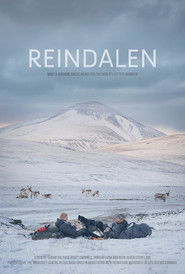
Reindalen
2025
Reindalen
2025
In the fastest-warming place on Earth, two friends and their canine sidekick uncover how the world's smallest and fattest reindeer are thriving because of rising temperatures. But are they seeing a positive side-effect of climate change in the Arctic, or witnessing the end of innocence for Svalbard reindeer?Moon Crab
2025
Moon Crab
2025
Moon Crab is a meditation on the horseshoe crab, one of Earth's oldest living species now struggling with extreme population decline. Blending reflections on nature's cycles with experimental visuals, the film employs an array of techniques, including eco-processed film developed with seaweed, to immerse the viewer in the crab's subaquatic world. Narrated with intimate depth by physiologist Dr. Abner Lall, the filmmaker’s neighbor, this documentary captures a timeless story of resilience and fragility, urging us to reconsider our connection to the natural world.aRTIFICiAL PLANET
2025
aRTIFICiAL PLANET
2025
Recent advances in artificial intelligence technology could soon give way to films produced entirely by AI. What might that mean for the wildlife documentary film industry?The Last Mermaids of Korea
2025
The phenomenally resilient sea women of Marado Island, at the southernmost tip of South Korea, are like no one else on the planet. Six women aged in their 40s, 60s, 80s and 90s have lately been joined by a solitary young male diver, Min-Jong. Most of the women are well beyond 60. They may stumble walking on land, but underwater, they are transformed into graceful swimmers who haul in twice their bodyweight in seafood every day. These are Korea’s traditional Haenyeo: female divers who hold their breath for more than two minutes to depths of up to 20 meters. They make their livelihood combing the seabed for culinary treasures for restaurants in Korea and Japan: kelp, sea cucumbers, conchs, and, most prized of all, abalone.Aldo's Bug Extravaganza
2025
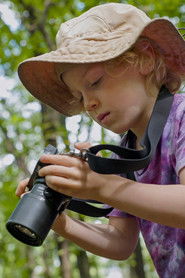
Join 5-year-old Aldo and his dad on a backyard safari filled with tiny wonders and big laughs. Armed with a camera and boundless curiosity, Aldo embarks on a bug-hunting escapade, narrating his discoveries with adorable wit and charm. As the week unfolds, Aldo's wide-eyed explorations not only capture the audience's imagination, but also subtly echo the timeless wisdom of Aldo Leopold, making for a delightful and endearing ode to the joy of nature's smallest marvels.Piano Sequenza, Soggettiva
2025
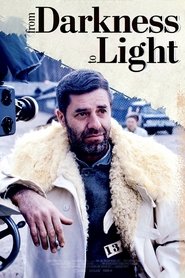
Tiktok, Andrè Bazin, Subway Surfers, Minecraft parkour and Harmony Korine.From Darkness to Light
2025
star 6.7Explores Jerry Lewis' unreleased 1972 film "The Day the Clown Cried," its mysterious disappearance, and the search for footage. Includes interviews with Lewis' associates and previously unseen production content.Women & the Wind
2025
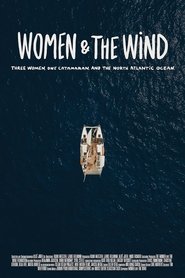
Women & the Wind
2025
star 8Shot over the course of 30 days at sea, filmmaker Alizé Jireh documents the group’s voyage across the North Atlantic—from moments of stillness and calm to the chaos of storms and setbacks. With an observational approach and an eye for the emotional and physical rhythms of life at sea, Jireh captures not just the external landscape, but the internal shifts that come with navigating the vast unknown.When Anne Married Mark: The Royal Wedding of the 70s
2025
Fifty years ago, Princess Anne was one of the most eligible women in the world, but dashing soldier and fellow equestrian Captain Mark Phillips was the one to win her hand. When they tied the knot in a fairy-tale ceremony at Westminster Abbey in November 1973, it would thrust Anne into the limelight like never before and set a precedent for all future royal weddings. Interviewees include former royal reporter Angela Rippon, who talks about the couple's courtship, and the groom's best man Eric Grounds, with detail of the stag do.Tapetmannen
2025
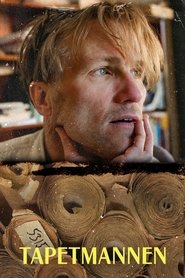
Tapetmannen
2025
Informe+. Eternas
2025
Informe+. Eternas
2025
Human Movie
2025
Human Movie
2025
Human Movie is a media essay that uses glitched, deliberately "noisy" video and audio to explore the definition of being human through contrasts with the mechanisms of artificial intelligence systems.The Danube so Blue
2025
The Danube so Blue
2025
A sketch. A freely-associating essay on the "beautiful blue Danube". Images of the Danube, images of blue, historical photographs and private archives: Everything is blended into an attempt to capture. stream of thoughts on the subject of the Blue Danube and - at least briefly - give it a form, before the stream is allowed to flow onward, like the river.Film Without Story
2025
Film Without Story
2025
Thirteen minutes of black and white vignettes focusing on different layers of life in Balochistan.Made in Dafen
2025
Made in Dafen
2025
What You Will Do When The War Continues?
2025
The second part of Vladyslav Plisetskyi's trilogy, which was launched before the full-scale invasion. The film explores how a prolonged war changes society, political narratives and personal reality. Through his own biography, performances, dialogue with his father and the transformations of the Ukrainian queer community, the author shows the collision of identities, cultures and ideologies. The war becomes a background for deeply personal stories and visual narratives that merge into an artistic manifesto.