New Documentary Movies on Pantaflix - Page 410
All Services
Free Services
 Netflix
 Amazon Prime Video
 Apple iTunes
 Apple TV Plus
 Disney Plus
 Google Play Movies
 Paramount Plus
 Hulu
Hulu
 HBO Max
 YouTube
 fuboTV
 Peacock
 Peacock Premium
 Amazon Video
 The Roku Channel
 AMC+
AMC on Demand
AMC+
AMC on Demand
 Kocowa
 Hoopla
 The CW
 Vudu
Vudu
 Starz
Starz
 Showtime
 PBS
PBS
 Pantaflix
 FXNow
FXNow
 Tubi TV
 Kanopy
 Comedy Central
 Crunchyroll
 Microsoft Store
 Redbox
 Sun Nxt
 ABC
ABC
 DIRECTV
 Crackle
 Fandor
 Plex
Plex
Netflix
Amazon Prime Video
Apple iTunes
Apple TV Plus
Disney Plus
Google Play Movies
Paramount Plus
Hulu
HBO Max
YouTube
fuboTV
Peacock
Peacock Premium
Amazon Video
The Roku Channel
AMC+
AMC on Demand
Kocowa
Hoopla
The CW
Vudu
Starz
Showtime
PBS
Pantaflix
FXNow
Tubi TV
Kanopy
Comedy Central
Crunchyroll
Microsoft Store
Redbox
Sun Nxt
ABC
DIRECTV
Crackle
Fandor
Plex

The Impossibility
2025
The Impossibility
2025
star 10The director Tomáš Hlaváček is loosely building upon the time-lapse documentary Housing Against Everyone, in which he captured the dispute surrounding the Rapid Re-Housing project in Brno. The topic of decent housing for families in need is also addressed in The Impossibility. People occupying rental apartments in Brno's “Kuncovka” wanted hot water, electricity and fair negotiations. Instead, they received bullying and threats from the owner, who, in his own words, “does not like coloured people”. Neither the police nor the city helped them. So they joined forces with activists and lawyers to fight for their rights. Hlaváček chronicles the months-long conflict with its legal follow-up as an engaged observer.Milton Bituca Nascimento
2025
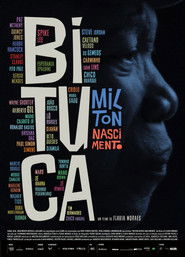
star 7.9Milton Nascimento is a singer, a songwriter and a connoisseur of multiple instruments. Music is at the core of his being. He is also considered one of the most important Brazilian artists in its history, with musical partnerships (and friendships) with all of Brazil’s greats, and several Grammys to his name. The artist’s history and legacy are explored in this film, whose starting point is Nascimento’s farewell tour.Ange & the Boss: Puskas in Australia
2025
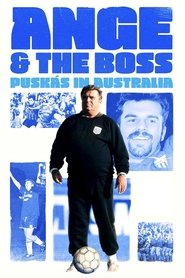
star 8The great Hungarian striker Ferenc Puskas storied playing and coaching career ended in the relative backwater of Middle Park in Melbourne, coaching a South Melbourne Hellas team captained by current Spurs manager Ange Postecoglou. A sporting story of a humble, football colossus in soccer's new world, full of quirky anecdotes and a ripping championship finale. And also a story of Australia's ethnic football heritage, and how it sustained new arrivals.The Other One
2025
The Other One
2025
In her feature-length debut, Marie-Magdalena Kochová uses the character of eighteen-year-old Johanna to explore the phenomenon of “glass children” – children who, because they have a special-needs sibling, are neglected by their family, however unintentionally. They often feel invisible, their problems are always considered less important, and they are often expected to help take care of their disabled brother or sister. Johana is about to graduate from high school, and so she must decide whether to leave home to study, or stay and help her parents. An immensely sensitive account of the nature of sibling love which, for once, puts “the other one” first. Anna Kořínek (kviff.com)Traces of Movement Before the Ice
2025
Twenty years after Swiss publishing house Pendo closed its doors, the descendants of its founders repeatedly circle, examine and lose sight of its legacy. Frölke’s film gives structure to this archive via media experimentation.Metamorphosis
2025
Metamorphosis
2025
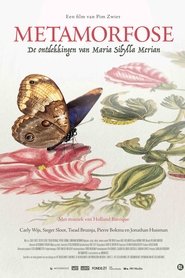
In Metamorphosis, filmmaker and media artist Pim Zwier chooses a highly original form to depict the life and work of the German artist Maria Sibylla Merian (1647-1717), whose study of insects laid the foundations of entomology. Her most important work revolved around the metamorphosis of caterpillars into butterflies: she recorded the process in beautiful prints and engravings and was the first to draw the insects in combination with the plant on which they live.Sobreviventes do Pampa
2025
When the search for its origin takes him to the deep pampa, the documentary director discovers a recently recognized biome, little known and that presents more than half of its native area destroyed. So, its goal becomes to present the biome and its inhabitants, in a mosaic between the original peoples, quilombola communities, family cattle ranchers, agrarian reform settlers and rural entrepreneurs, awakening an awareness of belonging, with the objective of strengthening the preservation of the Pampa biome.Climate in Therapy
2025
Climate in Therapy
2025
Seven climate scientists meet in a godforsaken meeting room to engage in circle therapy about their shared climate anxiety. Can emotional honesty be part of the solution?Privilege
2025
Privilege
2025
star 5Henri unravels the infrastructure of the LGBTQIA+ Community as we take a stroll through his daily life and get a grasp of what it truly means being different while trying to live an honest life in a world ruled by politics and religion.How to Sell A War: The George W. Bush Story
2025
A deep dive into how the Bush administration strategically used the shock and fear of the 9/11 attacks to justify a sweeping global war.Muñequita linda
2025
Muñequita linda
2025
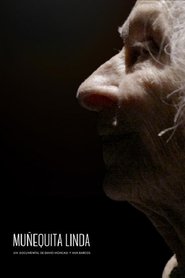
Carmen is about to turn 100. She went blind 67 years ago when her husband accidentally poisoned her after giving birth. Since then, she has lived by the sea in the dark. The director explores the special world of Carmen Sanchez - a world full of zest for life and love for dance.The Pile-Up: Death on the Motorway
2025
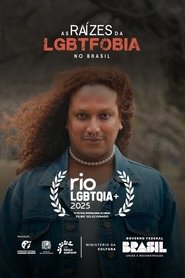
A forensic analysis of one of the worst motorway crashes in UK history, on the M5 in 2011.The Roots of LGBTphobia in Brazil
2025
A documentary that explores the origins and the historical, social, and cultural factors that sustain discrimination and prejudice against the LGBTQIA+ community in Brazil. Through interviews and analysis, the film reveals how these roots are deeply embedded in society, continuing to influence behaviors and policies to this day.Sweet Störy
2025
Sweet Störy
2025
“Something every day needs to be sweet,” says Meg Ray in this charming feature documentary about a tiny café on a remote island in the Baltic Sea, at risk of closing down unless Meg and a small group of islanders can save it. Café Truten has very little running water or consistent electricity and with only days to open the cafe, we watch as Meg and her helpers are pushed to their limits and pull off culinary miracles. Sweet Störy is a reminder of what is possible when just a few people set out to make their small corner of the world a better place.(In)fidèles
2025
(In)fidèles
2025
"(In)fidèle" explores the relationship to fidelity of 10 people between the ages of 23 and 31. Infidelity is like the elephant in the room no one dares to talk about. It fascinates and sparks curiosity, but digging too deep might hurt. We keep it at a distance as long as we’re not personally involved, yet we indulge in gossip and "story times" when it’s about others. A distant way to either judge it or spy on it, but never truly confront it. And yet, the numbers speak for themselves: 41% of people have already been unfaithful at least once in their life, and that number keeps growing every year.Leaving Tallinn. 1941
2025
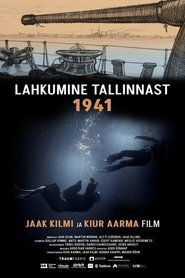
In the last days of August 1941, one of the greatest maritime disasters in history took place off the northern coast of Estonia. Fleeing the invading Germans, the Soviet authorities hastily and panickedly carried out the evacuation of Tallinn. The remnants of the Red Army units, fleeing Red Army personnel, as well as mobilized Estonians and civilians were placed on more than two hundred ships, either voluntarily or forcibly. In total, over 30,000 people. The line of ships headed for Kronstadt and Leningrad, but they ran into a trap set by the German and Finnish navies near the Juminda Peninsula. 60 ships sank in mine explosions, torpedoes and aircraft bombs, and an estimated 15,000 people died, including thousands of Estonians. The film reveals how the terrible catastrophe of Juminda has been depicted, silenced, minimized or heroized in later historical accounts.Future Ruins
2025
Future Ruins
2025
a Super 8 film about landmarks of Vienna, Berlin and Lyon and their inevitable future.Livgarden på stoffer
2025