New Documentary Movies on Pantaflix - Page 5
All Services
Free Services
 Netflix
 Amazon Prime Video
 Apple iTunes
 Apple TV Plus
 Disney Plus
 Google Play Movies
 Paramount Plus
 Hulu
Hulu
 HBO Max
 YouTube
 fuboTV
 Peacock
 Peacock Premium
 Amazon Video
 The Roku Channel
 AMC+
AMC on Demand
AMC+
AMC on Demand
 Kocowa
 Hoopla
 The CW
 Vudu
Vudu
 Starz
Starz
 Showtime
 PBS
PBS
 Pantaflix
 FXNow
FXNow
 Tubi TV
 Kanopy
 Comedy Central
 Crunchyroll
 Microsoft Store
 Redbox
 Sun Nxt
 ABC
ABC
 DIRECTV
 Crackle
 Fandor
 Plex
Plex
Netflix
Amazon Prime Video
Apple iTunes
Apple TV Plus
Disney Plus
Google Play Movies
Paramount Plus
Hulu
HBO Max
YouTube
fuboTV
Peacock
Peacock Premium
Amazon Video
The Roku Channel
AMC+
AMC on Demand
Kocowa
Hoopla
The CW
Vudu
Starz
Showtime
PBS
Pantaflix
FXNow
Tubi TV
Kanopy
Comedy Central
Crunchyroll
Microsoft Store
Redbox
Sun Nxt
ABC
DIRECTV
Crackle
Fandor
Plex

Encore une chanson
2026
Encore une chanson
2026
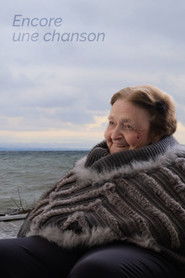
Ketty is growing old. Between the calm of everyday life and the intensity of the moments spent with her grandchildren, she moves between the forces of life and death, between laughter and sighs. Where memories of the past fade away and the future is uncertain, only the present moment matters.Aqui é Longe de Lá
2026
Aqui é Longe de Lá
2026
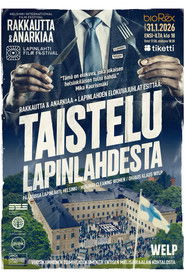
Taistelu Lapinlahdesta
2026
The documentary follows how a former psychiatric hospital that had been abandoned is transformed into a thriving center for art, culture, and mental well-being with the arrival of new tenants. With limited resources, activists in Lapinlahti decide to continue the area's mental health work in a citizen-driven way, allowing the disadvantaged members of society to shine. The place fills up with entrepreneurs, therapists, artists, and associations, and the park area in the city center, closed to Helsinki residents for 170 years, comes to life with cafes, saunas, museums, and bakeries. The road is not easy. The city administration does not seem to recognize the value of the project, and the Lapinlahti community has to fight constantly for its existence. At the heart of the film is the threat of the area being sold to a large real estate investor, as plans are made to build a giant hotel in the park.Room
2026
Room
2026
In his latest film Rum, Söderquist revisits footage from the shooting of Letters From Silence, placing them in dialog with recently shot footage. Deploying split-screen for the first time, Söderquist’s camera slowly and meticulously travels through sparse interior spaces and passages, evoking both a sense of enclosure and departure.Veronique
2026
Veronique
2026
A day inside the charming hair salon of Veronique Gizard, on the corner of Rue de Bagnolet and Rue Planchat in Paris’s 20th arrondissement. Owner, stylist and client shyly gaze into the lens of legendary Viennese filmmaker and photographer Friedl vom Groller. The salon’s distinctive character lives on in 16mm – it closed its doors in mid-2025 after 20 years, and the shopfront now houses a cafe.VITA
2026
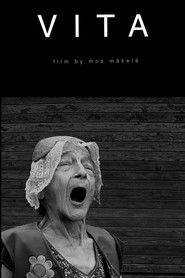
VITA
2026
In the new cryptic triptych by ever-mysterious Mox Mäkelä, trains travel across the borders of time, armies gather in a place where history repeats itself, while Karelian women sing about how humans will destroy the world.The Muscles Are Tense
2026
At a demonstration in Berlin against the genocide in Gaza and the German arms supplies contributing to it, protestors are violently arrested, wrestled to the ground, sprayed with pepper spray and captured on camera. This essay pauses those overwhelming moments and isolates what is happening in order to examine it. Drawing from Fanon and Butler, among others, it offers a pointed interrogation of double standards, the state’s monopoly on violence and protesting under constant surveillance.Imagine Me Like a Country of Love
2026
Thana Faroq returns to Yemen after a decade of geographical and emotional separation. Oscillating between personal drawings, intimate voice recordings and footage from the streets of Yemen, her thoughts about home take on new forms.Greetings from Rhodes
2026
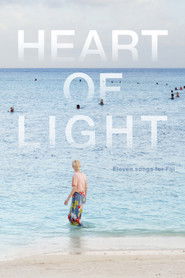
What are you gonna do when the world’s on fire? Sit by the pool with a glass of Aperol Spritz and take a selfie for your friends back home? In this satirical take on tourism during the ecological crisis, Viera Čákanyová asks how costly the Ostrich Effect we all seem to suffer from really is? The film features realistic comments from holidaymakers, glossy travel agency advertisements and some dinosaurs, just passing by.Heart of Light: Eleven Songs For Fiji
2026
After decades abroad, Iona returns to her childhood home on Fiji, sensing that there she might find the answers to many questions she has about civilisation and its discontent.The Waves Saga
2026
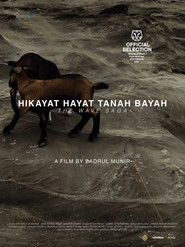
The Waves Saga
2026
West Java, in current-day Indonesia, was home to the Sundanese Kingdom that flourished for over nine centuries, yet few physical traces remain today that sing of its glory. Nestled in a geologically sensitive zone, the region has long been subject to nature’s unabated fury, with periodic earthquakes, tsunamis and volcanic eruptions wiping out its heritage and reducing it to a “landscape of amnesia”.Am I Mourning What I Never Lost?
2026
R. James Edwards documents his experience with the medical system and the ways his disability is viewed and grieved for by outsiders through poetry.La belle année
2026
La belle année
2026
While emptying her childhood home after the death of her father, Angelica reminisces an intense and solitary love she had as teenager.Far from Maine
2026
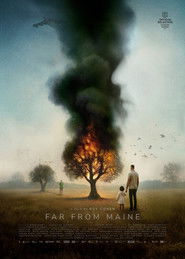
Far from Maine
2026
Haunted by the killing by Israeli police of a Palestinian friend from his youth, an Israeli filmmaker embarks on a cinematic dialogue across time — confronting memory, friendship, and the genocide unfolding today. In this intimate cinematic letter, Israeli filmmaker Roy Cohen addresses his Palestinian friend and fellow peace activist Aseel Aslih, who was murdered by Israeli police in their youth. Cohen tells Aslih of his experiences navigating a growingly genocidal society and seeks Aslih’s moral clarity and resilience in the evocative letters he had written as a teenager.Mickey & Richard
2026
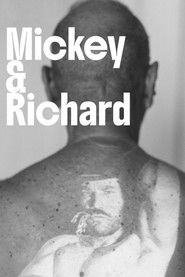
Mickey & Richard
2026
A portrait of 80s gay porn icon Mickey Squires and the man who performed him, Richard Bernstein, which turns from a fringe-film historical documentary into an essay on the mysteries and unpredictabilities of acting as a key activity in all our lives.Krakatoa
2026
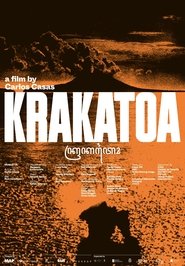
Krakatoa
2026
A Javanese fisherman experiences the greatest volcanic eruption of all time. Stranded on a deserted island, in search of food and water, he draws closer to the depths of the earth. A visceral and psychedelic odyssey.Buck a Slice
2026
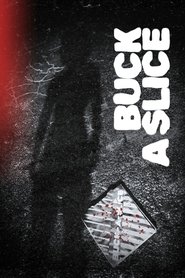
Buck a Slice
2026
A dollar slice, a city of pixels, and lives condemned to repeat: Buck a Slice observes Night City’s forgotten characters to ask how much choice we ever truly have.All you need to make a movie is a gun
2026
At the end of 2019, dozens of cans with films made by film students in the 60s and 70s were found at the University of Córdoba. Until then, it was believed that they had been destroyed during the last military dictatorship. Fifty years later, those images are projected again, taking us to an almost unknown period of Córdoba cinema and a time of unprecedented political, social and cultural effervescence. Each frame exceeds its original intention, to tell us about a group of young people passionate about cinema and the interests that mobilized them: psychology, militancy, music, sexual freedom. But the appearance of a strange character linked to the fate of the cans reminds us of the abrupt and violent end of the dreams of that generation.