New History Movies on Pantaflix - Page 341
All Services
Free Services
 Netflix
 Amazon Prime Video
 Apple iTunes
 Apple TV Plus
 Disney Plus
 Google Play Movies
 Paramount Plus
 Hulu
Hulu
 HBO Max
 YouTube
 fuboTV
 Peacock
 Peacock Premium
 Amazon Video
 The Roku Channel
 AMC+
AMC on Demand
AMC+
AMC on Demand
 Kocowa
 Hoopla
 The CW
 Vudu
Vudu
 Starz
Starz
 Showtime
 PBS
PBS
 Pantaflix
 FXNow
FXNow
 Tubi TV
 Kanopy
 Comedy Central
 Crunchyroll
 Microsoft Store
 Redbox
 Sun Nxt
 ABC
ABC
 DIRECTV
 Crackle
 Fandor
 Plex
Plex
Netflix
Amazon Prime Video
Apple iTunes
Apple TV Plus
Disney Plus
Google Play Movies
Paramount Plus
Hulu
HBO Max
YouTube
fuboTV
Peacock
Peacock Premium
Amazon Video
The Roku Channel
AMC+
AMC on Demand
Kocowa
Hoopla
The CW
Vudu
Starz
Showtime
PBS
Pantaflix
FXNow
Tubi TV
Kanopy
Comedy Central
Crunchyroll
Microsoft Store
Redbox
Sun Nxt
ABC
DIRECTV
Crackle
Fandor
Plex

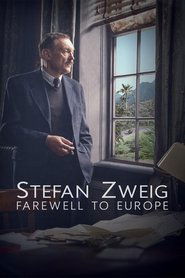
Stefan Zweig: Farewell to Europe
2016
star 6.6Before Dawn charts the years of exile in the life of famous Jewish Austrian writer Stefan Zweig, his inner struggle for the "right attitude" towards the events in war torn Europe and his search for a new home.Juana Azurduy, Guerrillera de la Patria Grande
2016
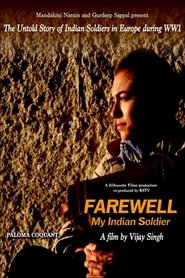
star 7.9Doña Juana Azurduy, widow of Padilla, is visited in November 1825 by the liberators Simón Bolívar and Antonio José de Sucre in the city of Chuquisaca.Farewell, My Indian Soldier
2016
star 6A young woman researches the hidden story of Indian soldiers who came to fight in France and Belgium during the World War I. The presence of these 140,000 soldiers in Europe is a virtually unknown fact of history.Aufseherin
2016
Aufseherin
2016
'It's the mid-second world war. Hebe is a member of the Dutch resistance. When she gets captured by the Nazis she pretends to be someone else and they seem to fall for it. But how long will it take them to figure out that she is not who she says she is... and what will happen to her if they do?' Aufseherin is an animated short based on the story of world war II Dutch resistance woman Hebe Kohlbrugge.Ferraty
2016
Ferraty
2016
The Real Versailles
2016
The Real Versailles
2016
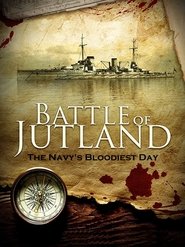
star 9As BBC Two premieres its lavish new drama set in the sumptuous surroundings of Versailles, Lucy Worsley and Helen Castor tell the real-life stories behind one of the world's grandest buildings. They reveal the colourful world of sex, drama and intrigue that Louis XIV and his courtiers inhabited. Lucy untangles Louis's complex world of court etiquette, fashion and feasting, while Helen delves into the archives and unpicks the Machiavellian world of court politics that Louis created. We meet the people behind the on-screen characters and discover what drove Louis to glorify his reign on a scale unmatched by any previous monarch, examine the tension between Louis and his brother Philippe, a battle hero and overt homosexual, and they meet the coterie of women who competed for Louis's attention. We see that Louis was ruthless in his pursuit of glory and succeeded in defeating his enemies. In his record-breaking 72-year reign, France became renowned for its culture and sophistication.Battle of Jutland: The Navy's Bloodiest Day
2016
star 6.7Documentary about the Battle of Jutland, a naval battle during World War I between the British and German fleets, which took place on 31 May and 1 June 1916 in the North Sea, off the west coast of Denmark. It re-creates the events of the battle and examines why the number of British warships that sank was so much higher than the number of German ships that were lost. Shown to commemorate the 100-year anniversary of the battle.The Flawed Genius of Jan Smuts
2016
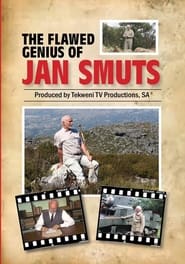
star 9Jan Smuts is a foremost political figure in South African 20th Century History, and is recognised today by two of the world's leading historians as being at the very centre of the vision for a new world order that emerges from the League of Nations and the United Nations.. Yet, he is virtually persona non grata in his own country.... and largely ignored in school history books. This one hour drama-documentary, with its dramatised cameo scenes in which his look-alike grandson takes on the role of Jan Smuts, battle re-enactments, historical archival footage, comments from historians, political analysts, and South African political struggle heroes, looks back on his life and the circumstances that shaped it in search of some answers.King of Morocco, the secret reign
2016
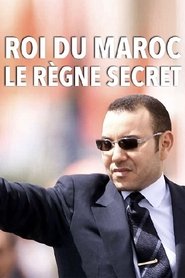
In the form of an investigation, this documentary, filmed in Morocco and France, goes to the other side of the mirror of the beautiful photos of the kingdom, to reveal the gray areas of King Mohammed VI.Contra Paraguay
2016
Contra Paraguay
2016
In the 19th century, a little-known event occurred, given its importance: the largest war in South America, in which four countries were involved. Was it a war between countries? Did Argentina, Brazil, and Uruguay join forces against Paraguay? Why is it called by so many different names?Coluche, 30 ans déjà
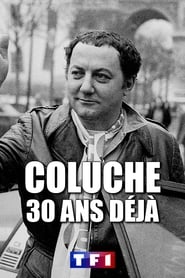
2016
Shadows Fall North
2016
Shadows Fall North
2016
How does a state with the motto “Live Free or Die” and a celebrated legacy of abolitionism confront and understand its participation in slavery, segregation, and the neglect of African-American history? What happens when we move toward a fuller understanding of our history by including all voices? No other documentary has explored Black history in New Hampshire, no less Black history in New England. Shadows Fall North brings to light a forgotten history and continues a dialogue that is more important today than ever before. Without acknowledging our past, accepting it and embracing it, we will never move forward in our actions about race in this country.All the Way
2016
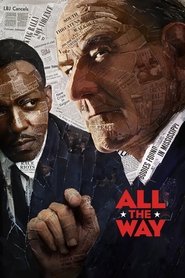
All the Way
2016
star 6.7Lyndon B. Johnson's amazing 11-month journey from taking office after JFK's assassination, through the fight to pass the 1964 Civil Rights Act and his own presidential campaign, culminating on the night LBJ is actually elected to the office – no longer the 'accidental President.'Tokyo Trial: Judging Japan
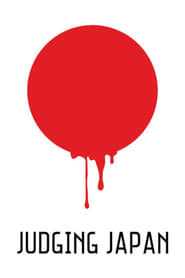
2016
star 8.7The story of the International Military Tribunal for the Far East, known as the Tokyo Trial, which, just after the Second World War, was established in Japan as a special jurisdiction in 1946 (it was closed in 1948) to judge the war crimes of the Japanese leaders; and how and why officials in Washington prevented Emperor Hirohito to be seen sat on the bench.Mysteries of Ancient China
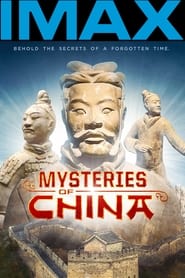
2016
star 6.8Archeologists discover a pit filled with terracotta warriors buried to protect the grave of the First Emperor of China.O.J.: Made in America
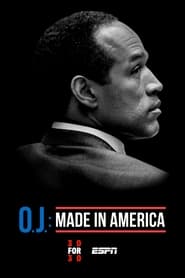
2016
star 8.4A chronicle of the rise and fall of O.J. Simpson, whose high-profile murder trial exposed the extent of American racial tensions, revealing a fractured and divided nation.A Restoration
2016
A Restoration
2016
star 7The fifteen-minute, two-screen digital video installation employs the museums’ photographic and graphic archives. It is a fiction, set to melody and percussion, which is narrated by a ‘chorus’ of museum administrators who are organising the records of Arthur Evans’s excavation of the Cretan city of Knossos. The administrators use Evans’s extraordinary documents and photographs to figuratively reconstruct the Knossos Labyrinth within the museum’s computer server. They then imagine its involuted space as a virtual chamber through which museum objects digitally flow, clatter and cascade.