New History Movies on Pantaflix - Page 380
All Services
Free Services
 Netflix
 Amazon Prime Video
 Apple iTunes
 Apple TV Plus
 Disney Plus
 Google Play Movies
 Paramount Plus
 Hulu
Hulu
 HBO Max
 YouTube
 fuboTV
 Peacock
 Peacock Premium
 Amazon Video
 The Roku Channel
 AMC+
AMC on Demand
AMC+
AMC on Demand
 Kocowa
 Hoopla
 The CW
 Vudu
Vudu
 Starz
Starz
 Showtime
 PBS
PBS
 Pantaflix
 FXNow
FXNow
 Tubi TV
 Kanopy
 Comedy Central
 Crunchyroll
 Microsoft Store
 Redbox
 Sun Nxt
 ABC
ABC
 DIRECTV
 Crackle
 Fandor
 Plex
Plex
Netflix
Amazon Prime Video
Apple iTunes
Apple TV Plus
Disney Plus
Google Play Movies
Paramount Plus
Hulu
HBO Max
YouTube
fuboTV
Peacock
Peacock Premium
Amazon Video
The Roku Channel
AMC+
AMC on Demand
Kocowa
Hoopla
The CW
Vudu
Starz
Showtime
PBS
Pantaflix
FXNow
Tubi TV
Kanopy
Comedy Central
Crunchyroll
Microsoft Store
Redbox
Sun Nxt
ABC
DIRECTV
Crackle
Fandor
Plex

Bal Can
2015
Bal Can
2015
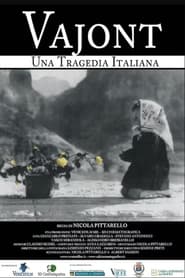
star 4Kosovo 1988. Two young boys, a Serbian and an Albanian, raised together in a small town of Kosovo. As they grow up they find themselves in a war between two countries and on different fronts.Panama Canal: Prized Possession
2015
star 1The Panama Canal, built by the United States on Panamanian territory, turned at once into a symbol of American power and Panama's national identity.Las enfermeras de Evita
2015
Musical documentary based on the stories of four women who studied to become nurses in the school of the Fundación Eva Perón in 1948, which was one of the institutions that helped pave the way for change for women in Argentina. The testimonies from the protagonists are reenacted in the form of a musical, in a film that combines archival footage and choreography.Soy mestizo
2015
Soy mestizo
2015
The natural sciences museum of La Plata, Argentina, had indigenous people held captive as study objects in the past, and their skeletons were on exhibit for many decades. The story of Krygi, served as a trigger to look back at the ideologies that defined us as individuals and as a people.The Man Who Killed Richard III
2015
star 6Evidence reveals Sir Rhys ap Thomas of Wales may have dealt the fatal blow to England's King Richard III that paved the way for the Tudor monarchy.The Lost
2015
The Lost
2015
Hiroshima: Hidden Traces
2015
star 10Take an in-depth look at the battle for Okinawa and the bombing of Hiroshima and Nagasaki through the eyes of archeologists and historians. Objects found in excavations of sites in Okinawa and Honshu lead us to understand the lives of soldiers and of the civilians caught up in World War II.Waterloo: Hidden Traces
2015
Using new archeological findings, first hand accounts of the battle, expert interviews and CGI and 3D animations this program helps us understand the dynamic elements of strategy and weather that led to Napoleon's historic defeat by the Duke of Wellington on the fields of Waterloo.The Gospel of Luke
2015
The Gospel of Luke
2015
star 8.3THE GOSPEL OF LUKE, more than any other, fits the category of ancient biography. Luke, as "narrator" of events, sees Jesus as the "Savior" of all people, always on the side of the needy and the deprived. Narrated in the NIV by British actor Richard E. Grant and in the KJV by Sir Derek Jacobi, this epic production featuring specially constructed sets and the authentic countryside of Morocco has been critically acclaimed by leading religious scholars as a unique and highly authentic telling of the Jesus story.Women at War (1939-1945)
2015
star 7.6Mothers, nurses, soldiers and deportees - these women fought against persecution for freedom and survival amid the turbulence of World war II.Lost Button
2015
Lost Button
2015
star 10A documentary about Goran Ivandic 'Ipe', the drummer of most popular Yugoslav rock band of all time, Sarajevo-based "Bijelo dugme" (White Button). Ivandic's fatal jump from the balcony of hotel Metropol in Belgrade in 1994 sparked much controversy around his fate.Cuba Libre
2015
Cuba Libre
2015
Simon and Samuel are two Cuban kids who will experience the defeat of the Spanish Army in their country and the ensuing US occupation in 1898 as an intense period of their lives.Camp 72
2015
The History of the Pit Stop: Gone in Two Seconds
2015
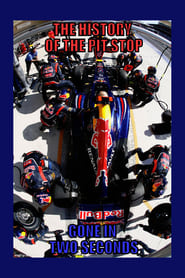
star 6The mavericks who pioneered the modern pit stop made it a raceday staple that takes less than two seconds.Voyagers
2015
Voyagers
2015
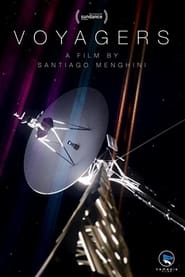
Travel along with the Voyager spacecrafts as they traverse the solar system on their planetary expedition spanning over three decades.Csonka délibáb
2015
Csonka délibáb
2015
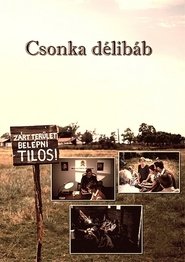
star 9One of the darkest chapters of the communist dictatorship of the 1950s was the Hortobágy labour camps, where thousands of people were deported without any trial, mostly families living on the western and southern borders. The complex of institutions, which was established in the farmland of the lowlands in strict secrecy, existed until 1953, but even after that it was not openly discussed. The film is based on real documents and recollections, which make the story real and true to life, told from the point of view of the thirteen-year-old son of a displaced family. Andris's family is summoned one morning by the ÁVH. An evacuation order has been issued and the whole family must leave their home. They are given an hour to pack their 50 kg of personal belongings, and the wagons are already on their way to the unknown, to Hortobágy, where they will be sent to a large camp.Tierra Caliente
2015
Tierra Caliente
2015
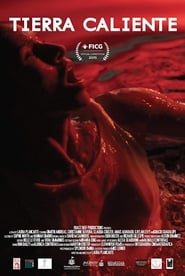
TIERRA CALIENTE is the story of an ordinary family in the state of Guerrero, Mexico. As they go about their normal lives, they are caught in the crossfire between the Narco drug cartels and the military. The screenplay is an edited transcript of conversations from the family recorded over a period of two years. Actors play the members of the family to protect their identity, but we are able to hear the actual recordings throughout the film, to remind the audience that these people are real.