New War Movies on Pantaflix - Page 144
All Services
Free Services
 Netflix
 Amazon Prime Video
 Apple iTunes
 Apple TV Plus
 Disney Plus
 Google Play Movies
 Paramount Plus
 Hulu
Hulu
 HBO Max
 YouTube
 fuboTV
 Peacock
 Peacock Premium
 Amazon Video
 The Roku Channel
 AMC+
AMC on Demand
AMC+
AMC on Demand
 Kocowa
 Hoopla
 The CW
 Vudu
Vudu
 Starz
Starz
 Showtime
 PBS
PBS
 Pantaflix
 FXNow
FXNow
 Tubi TV
 Kanopy
 Comedy Central
 Crunchyroll
 Microsoft Store
 Redbox
 Sun Nxt
 ABC
ABC
 DIRECTV
 Crackle
 Fandor
 Plex
Plex
Netflix
Amazon Prime Video
Apple iTunes
Apple TV Plus
Disney Plus
Google Play Movies
Paramount Plus
Hulu
HBO Max
YouTube
fuboTV
Peacock
Peacock Premium
Amazon Video
The Roku Channel
AMC+
AMC on Demand
Kocowa
Hoopla
The CW
Vudu
Starz
Showtime
PBS
Pantaflix
FXNow
Tubi TV
Kanopy
Comedy Central
Crunchyroll
Microsoft Store
Redbox
Sun Nxt
ABC
DIRECTV
Crackle
Fandor
Plex

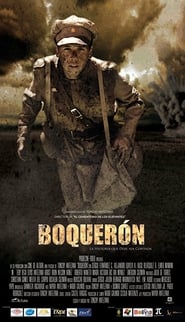
Boquerón
2015
Boquerón
2015
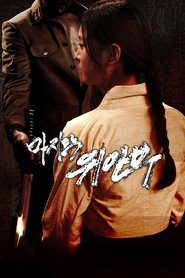
The Last Comfort Women
2015
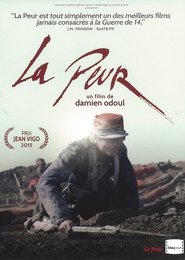
star 10This film tells the story of three young women from South Korea, Japan, and China who were ravaged after becoming comfort women in the Japanese army.The Fear
2015
The Fear
2015
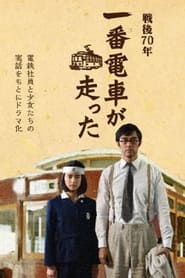
star 5.3Gabriel, a young soldier, is sent to the Western Front in 1914. He experiences the hell of the trenches and the devastating effects that fear has on all the troops. He comes out alive after this horrendous experience, full of rage and fire, and discovers his own humanity.The First Train Runs in Hiroshima
2015
star 4Only 3 days after A-bomb was dropped on Hiroshima, a streetcar started running through the town burned to the ground. The drivers were teenage girls working for the train company in place of men. The drama is based on a true story of people who strived for the restoration.The Emperor in August
2015
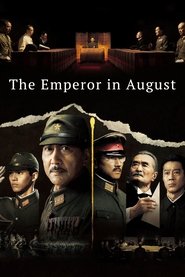
star 6.4In July 1945, during the end of World War II, Japan is forced to accept the Potsdam Declaration. A cabinet meeting has continued through days and nights, but a decision cannot be made. The U.S. drops atomic bombs on the cities of Hiroshima and Nagasaki, Japan. General Korechika Anami is torn over making the proper decision and the Emperor of Japan worries about his people. Prime Minister Kantaro Suzuki leads the cabinet meeting, while Chief Secretary Hisatsune Sakomizu can't do anything, but watch the meeting. At this time, Major Kenji Hatanaka and other young commissioned officers, who are against Japan surrendering, move to occupy the palace and a radio broadcasting station. The radio station is set to broadcast Emperor Hirohito reading out the Imperial Rescript on the Termination of the War.A Doctor's Sword
2015
A Doctor's Sword
2015
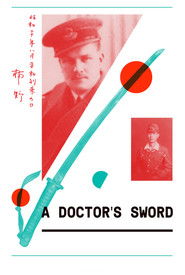
star 5.4An Irish doctor survived the atomic bomb attack on Nagasaki and was given a Samurai sword for the lives he saved. 70 years later his family searches for the origin of their father's sword.Sun City
2015
Sun City
2015
North American journalist Rachel Clark uncovers a terrorist plot aimed at overthrowing the current president of Haiti. As a result, the UN mission to stabilize the country is forced to intervene.Sword of Hope
2015
Sword of Hope
2015
Snow Monkey
2015
Snow Monkey
2015
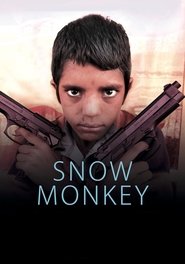
For almost 50 years, activist artist George Gittoes has stood on the frontlines of the world's most brutal conflicts and borne witness to the best and the worst of humanity. Now living in Afghanistan's remote, Taliban-infested Jalalabad province, Gittoes turns his attention to the lives of the children and outcasts of this war-torn land. In Snow Monkey, Gittoes paints a portrait of a Jalalabad seething with humanity, adversity and hope – focusing on three gangs of children: the Ghostbusters, persecuted Kochi boys who hawk exorcisms of bad luck and demons; the Snow Monkeys, who sell ice cream to support their families; and the Gangsters, a razor gang led by a nine-year-old antihero called Steel, terrifying to the core but still capable of experiencing aspects of the childhood seemingly taken from him. With a deeply humane vision that won him the Sydney Peace Prize, Gittoes shows us the unseen nature of Afghanistan's politics, culture and society, up close and startlingly personal.War Pigs
2015
War Pigs
2015
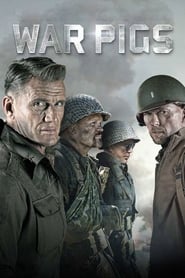
star 4.8A rag tag unit of misfits known as the War Pigs must go behind enemy lines to exterminate Nazis by any means necessary.Darbe
2015
Darbe
2015
star 3.3The film, which brings Turkey's recent political agenda to the big screen, highlights the effects of recent events on the present day and their traces in political life. The coup, which took place on February 7, 2012, when Hakan Fidan, the Undersecretary of the National Intelligence Organization (MİT), was summoned for questioning as a suspect in the KCK investigation, centers on the causes and consequences of the MİT crisis. The film will also address the placement of listening devices, known as "bugs," in the offices of some high-ranking officials, including the prime minister.Modern Love: A Kiss, Deferred
2015
Nikolina Kulidžan was twelve years old when she fell in love for the first time. Not long after, the Bosnian War changed her life forever.1965
2015
1965
2015
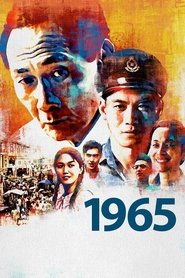
star 10A dramatic thriller that tells the engaging and touching stories of immigrants and natives during the time leading up to the independence of Singapore. The protagonists were a part of history in the making; they become the pioneer generation who live to see beyond the prejudice and fear of racial hatred and ultimately face the challenge of nation building - a mirror reflecting the fragility of racial harmony in our world today.Lady of the Dynasty
2015
Lady of the Dynasty
2015
star 4.4The tragic story of a Tang Dynasty imperial consort who was the favorite of the Emperor Xuanzong.The Day They Dropped The Bomb
2015
star 6On August 6 1945, one plane dropped one bomb on the Japanese city of Hiroshima. In an instant, the city was destroyed and 80,000 people were dead. But the dropping of the Atomic bomb also launched the Nuclear age, shaping all of our lives and changing the world for ever. For this film we have tracked down people who made the bomb, people who dropped the bomb, and people who were in Hiroshima – some less than half a mile from ground zero -when the bomb fell on their city. Many of the witnesses are in their 90s and this will be the last time they will be able to tell their extraordinary stories. The Day They Dropped The Bomb is told through witness recollections, rare archive film and photographs shot at the time. The documentary will be broadcast for the 70th anniversary of Hiroshima next year by ITV and in America by the Smithsonian Channel.The Bomb
2015
The Bomb
2015
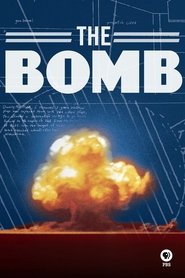
star 6.8Using masterfully restored footage from recently declassified images, The Bomb tells a powerful story of the most destructive invention in human history. From the earliest testing stages to its use as the ultimate chess piece in global politics, the program outlines how America developed the bomb, how it changed the world and how it continues to loom large in our lives. The show also includes interviews with prominent historians and government insiders, along with men and women who helped build the weapon piece by piece.Pulitzer
2015
Pulitzer
2015
In another foreign civil war, a desperate Aussie photojournalist must capture the memorable photo of exclusive death that will make her career. Even if it means creating the atrocities herself.Fires on the Plain
2015
Fires on the Plain
2015
star 6.3In the final days of World War II, occupying Japanese forces in the Philippines face resistance from the local population and the American offensive. The dwindling Japanese soldiers attempt to survive through the horrors of war.