New War Movies on Pantaflix - Page 417
All Services
Free Services
 Netflix
 Amazon Prime Video
 Apple iTunes
 Apple TV Plus
 Disney Plus
 Google Play Movies
 Paramount Plus
 Hulu
Hulu
 HBO Max
 YouTube
 fuboTV
 Peacock
 Peacock Premium
 Amazon Video
 The Roku Channel
 AMC+
AMC on Demand
AMC+
AMC on Demand
 Kocowa
 Hoopla
 The CW
 Vudu
Vudu
 Starz
Starz
 Showtime
 PBS
PBS
 Pantaflix
 FXNow
FXNow
 Tubi TV
 Kanopy
 Comedy Central
 Crunchyroll
 Microsoft Store
 Redbox
 Sun Nxt
 ABC
ABC
 DIRECTV
 Crackle
 Fandor
 Plex
Plex
Netflix
Amazon Prime Video
Apple iTunes
Apple TV Plus
Disney Plus
Google Play Movies
Paramount Plus
Hulu
HBO Max
YouTube
fuboTV
Peacock
Peacock Premium
Amazon Video
The Roku Channel
AMC+
AMC on Demand
Kocowa
Hoopla
The CW
Vudu
Starz
Showtime
PBS
Pantaflix
FXNow
Tubi TV
Kanopy
Comedy Central
Crunchyroll
Microsoft Store
Redbox
Sun Nxt
ABC
DIRECTV
Crackle
Fandor
Plex

Assignment Cloud
1966
Assignment Cloud
1966
star 2A sequel to the popular "The School of Spies", this film continues the adventures of one of the graduates who is assigned to crack a powerful spy ring working out of Kobe. Various people are suspected but, finally, it seems that an Army captain and his geisha friend might lead them to the ring.Amrapali
1966
Amrapali
1966
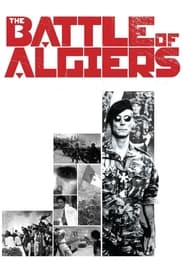
star 6.2After a failed conquest, Emperor Ajaatshatru pretends to be a soldier in the enemy's army to weaken them from the inside. However, he falls in love with Amrapali, a well-respected royal courtesan, and must decide what his main priority is.The Battle of Algiers
1966
star 7.9Paratrooper commander Colonel Mathieu, a former French Resistance fighter during World War II, is sent to Algeria to reinforce efforts to squelch the uprisings of the Algerian War. There he faces Ali la Pointe, a former petty criminal who, as the leader of the Algerian Front de Liberation Nationale, directs terror strategies against the colonial French government occupation. As each side resorts to ever-increasing brutality, no violent act is too unthinkable.The Threatening Sky
1966
The Threatening Sky
1966
star 10Pro-Vietnamese film created by Dutch filmmaker Joris Ivens. This black and white film begins with an introduction by Bertrand Russell, who explains the history of the run-up to the American involvement in Vietnam. The film shows scenes of Vietnamese soldiers in trenches, American helicopters, agricultural workers, and children assembling anti-aircraft shells. A narrator speaks of the American invasion as being on par with the Germans during World War II and characterizes the Vietnamese as resistance fighters. Anti-American protests are shown. Ivens is shown interviewing Ho Chi Minh. Vietnamese villagers build dams for rice paddies, make traps using bamboo spikes, and take cover during air raids. Scenes include the headquarters of the National Liberation Front, a military execution, bombings, and villagers fighting back against US aggression.Beau Geste
1966
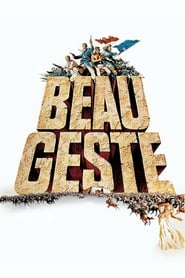
Beau Geste
1966
star 5.3In 1906, two American brothers join the French Foreign Legion and, led by a sadistic Sergeant-Major, they defend a fort against Berber and Tuareg attack.Don Gabriel
1966
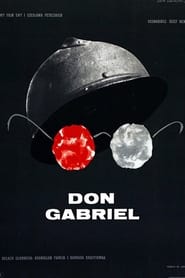
Don Gabriel
1966
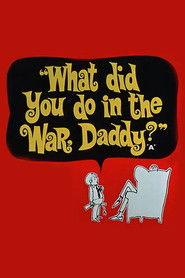
The first Polish film to discuss the failure of September 1939 Polish-German war, seen from the point of view of a university intellectual, fascinated by German culture, who decides to take active part in the conflict.What Did You Do in the War, Daddy?
1966
star 5.9A by-the-book Captain is ordered to capture a strategic village in Italy. The Italian soldiers are willing to surrender, if they can have a festival first. The lieutenant convinces the Captain this is the only way. Because of aerial reconnaissance, they must look like they are fighting. To sort this out an intelligence officer is sent in. Meanwhile the festival gets complicated with the Mayors daughter.Thaaye Unakkaga
1966
There is a Way
1966
There is a Way
1966
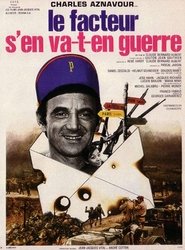
A US Air Force produced film that follows a group of F-105 pilots as they pass their hundredth mission during the Vietnam War.The Postman Goes to War
1966
star 4.6The unsuspecting Parisian postman Thibon accepts a transfer as army mailman in Indochina. In the hospital, after his mail van is blown up by a mine, he falls in love with his Indochinese nurse Vang.Buty
1966
Buty
1966
During the war, a nurse finds footwear belonging to a Soviet soldier. The discovery haunts her.The Blue and the Black 2
1966
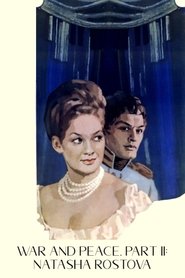
star 5.2War and time change everything. Their love becomes more than reunion, it becomes a reckoning with what was and what could've been. Part two of the wartime love story.War and Peace, Part II: Natasha Rostova
1966
star 7As 1809 nears its end, Natasha attends her first ball, where Andrei falls in love with her with the intent of marriage. However, as her father demands they wait, the prince travels abroad, leaving Natasha in desperate longing. But she meets Anatol Kuragin and forgets Andrei. Part two of the four-part adaptation of Leo Tolstoy's 1869 novel.Good Times, Wonderful Times
1966
star 4.4Lionel Rogosin's plea for humanity and against war and fascism. For two years, Rogosin traveled to twelve countries to collect footage of war atrocities from their archives. He interspersed these harrowing images with scenes of a London cocktail party's mundane chatter. Good Times, Wonderful Times was released in 1964 at the height of the Vietnam War, and became one of the great anti-war films of the era.Clay Pigeon
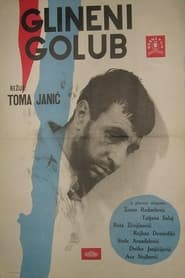
1966
Clay Pigeon
1966
star 5.7The martyrdom of two workers who fall into the hands of the Gestapo during the occupation of Sarajevo.The Dream
1966
The Dream
1966
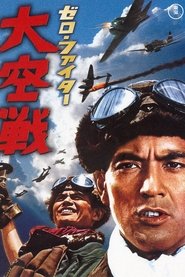
star 5In the whirlpool of WW2, two peaceful towns that have already tasted peace are once again attacked by the Germans. Casualties are high, but the dream of a boy and a girl about their liberated towns cannot be destroyed.Zero Fighter
1966
Zero Fighter
1966
Manuela
1966
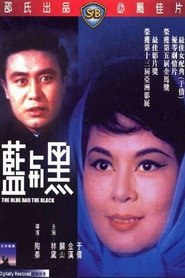
The Blue and the Black
1966
star 6.3It's a powerful melodrama about a thwarted romance in 1930s Tientsin, China, during the Japanese occupation, and it stars Linda Lin Dai, one of the era's most popular stars. It was part of Golden Horse's 100 Greatest Chinese-Language Films.The Blue Max
1966
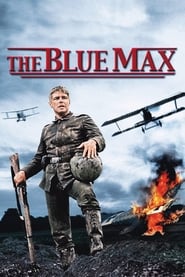
The Blue Max
1966
star 6.8A young pilot in the German air force of 1918, disliked as lower-class and unchivalrous, tries ambitiously to earn the medal offered for 20 kills.