New War Movies on Pantaflix - Page 98
All Services
Free Services
 Netflix
 Amazon Prime Video
 Apple iTunes
 Apple TV Plus
 Disney Plus
 Google Play Movies
 Paramount Plus
 Hulu
Hulu
 HBO Max
 YouTube
 fuboTV
 Peacock
 Peacock Premium
 Amazon Video
 The Roku Channel
 AMC+
AMC on Demand
AMC+
AMC on Demand
 Kocowa
 Hoopla
 The CW
 Vudu
Vudu
 Starz
Starz
 Showtime
 PBS
PBS
 Pantaflix
 FXNow
FXNow
 Tubi TV
 Kanopy
 Comedy Central
 Crunchyroll
 Microsoft Store
 Redbox
 Sun Nxt
 ABC
ABC
 DIRECTV
 Crackle
 Fandor
 Plex
Plex
Netflix
Amazon Prime Video
Apple iTunes
Apple TV Plus
Disney Plus
Google Play Movies
Paramount Plus
Hulu
HBO Max
YouTube
fuboTV
Peacock
Peacock Premium
Amazon Video
The Roku Channel
AMC+
AMC on Demand
Kocowa
Hoopla
The CW
Vudu
Starz
Showtime
PBS
Pantaflix
FXNow
Tubi TV
Kanopy
Comedy Central
Crunchyroll
Microsoft Store
Redbox
Sun Nxt
ABC
DIRECTV
Crackle
Fandor
Plex

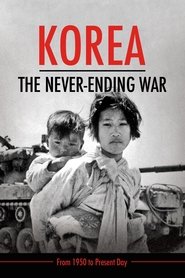
Korea: The Never-Ending War
2019
star 7.8Shedding new light on a geopolitical hot spot, the film — written and produced by John Maggio and narrated by Korean-American actor John Cho — confronts the myth of the “Forgotten War,” documenting the post-1953 conflict and global consequences.The Unfortunate
2019
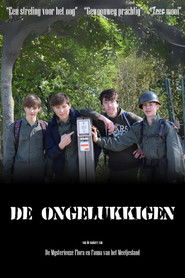
The Unfortunate
2019
star 10A close-knit group of friends leaves for the military full of ideals and dreams. They leave everything behind: love, family and their carefree youth. But when the reality of war overtakes them, they are confronted with the raw and relentless truth. When the violence takes its toll, they face a struggle that goes beyond the battlefield. The loss of home, the traumas that haunt them, and the question of whether they will ever find themselves again drive them to extremes.Obaida
2019
Obaida
2019
OBAIDA, a short film by Matthew Cassel, explores a Palestinian child’s experience of Israeli military arrest. Each year, some 700 Palestinian children undergo military detention in a system where ill-treatment is widespread and institutionalized. For these young detainees, few rights are guaranteed, even on paper. After release, the experience of detention continues to shape and mark former child prisoners’ path forward.The Mercy of the Jungle
2019
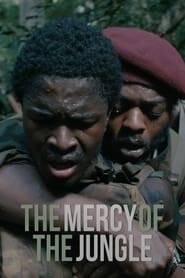
star 5.8The Mercy of the Jungle is a road movie that deals with wars in Congo through the eyes of two lost soldiers in the jungle by showcasing their struggle, weakness and hope.Happy New Year!
2019
Mum's Hairpins
2019
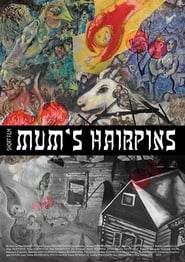
Mum's Hairpins
2019
Jewish shtetl, Ukraine, 1941. A box with mother’s hairpins – the only thing left from his family – is Yasha’s last chance to escape German invaders and rescue his new friend, a wounded goat kid.The Wolf Pack
2019
The Wolf Pack
2019
star 6.5"The Wolf Pack" are on a mission to reach Kafr Cenneh. On the way there the 9 commandos must face the enemy which outnumbers them by far.Kingdom
2019
Kingdom
2019
star 7.3Set in Qin Dynasty during the warring states period in ancient China. Shin was a war orphan. He has a dream of becoming a great general Shin has a fateful encounter with young King Eisei. King Eisei aims to unify all of China.Shongram
2019
Shongram
2019
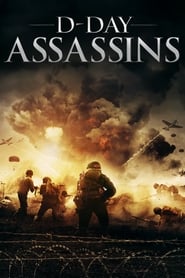
Shongram (struggle) is a romantic drama set during the 1971 liberation struggle of Bangladesh. A British Bengali on his death bed is interviewed by a daring London reporter, where four decades later, Karim is able to recall and finally share his past. We are transported to 1971, when Bangladesh was still East Pakistan and a young Karim (a Muslim) is in love with a beautiful Asha (a Hindu). The peaceful village life is suddenly interrupted by war and Karim must grow up fast to survive in an era where mass killings and abduction was common. He must also carry out his duty and revenge before he can finally search for Asha.D-Day Assassins
2019
D-Day Assassins
2019
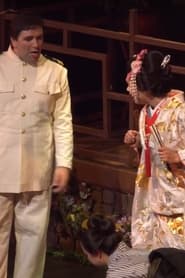
star 6In 1944, group of rebellious American soldiers known as "The Filthy Thirteen" parachute into Normandy to carry out a deadly mission.Madama Butterfly 蝶々夫人 in Japanese and English Aratani Theatre
2019
So what if... what if a brash American naval officer and a young Japanese girl met and fell in love? How would they communicate? (Certainly not in Italian!) In POP’s most ambitious production to date, Artistic Director Josh Shaw’s long-time dream of a bilingual Madama Butterfly comes to life at The Aratani Theatre in Little Tokyo. With a new libretto by Josh Shaw and Eiki Isomura, all Japanese roles will be sung in Japanese and all American roles will be sung in English. This is a co-production with Opera in the Heights (Houston). This production is sponsored in part by an Innovations Grant from Opera America.L'alleato
2019
L'alleato
2019
Sicily, July 10, 1943: the US army lands in Gela, where some divisions encounter strenuous resistance from the Italian army. The marines, in an attempt to escape to safety, are dispersed through the Sicilian countryside. A small task force luckily meets Robert Capa: the great photojournalist, who launched himself at the first light of dawn together with the soldiers of the ill-fated 82nd division, awaits help hanging from a tree. The group of soldiers, with the photojournalist and a wounded comrade, stops at a farm of poor Sicilian shepherds. John Mancuso, marine of the first infantry division, discovers that his father's birthplace is in nearby Niscemi, and wants to go and see it. He will get help from little Salvatore.Sealand
2019
Sealand
2019
Sangin
2019
Sangin
2019
Two lives collide and are changed forever in a moment's time -- and years later the consequences of their decisions are revealed.Jihad in Hollywood
2019
Jihad in Hollywood
2019
Once a successful Syrian actor, Jihad Abdo is now struggling as a refugee while trying to reinvent his life and rebuild his career.Werewolf
2019
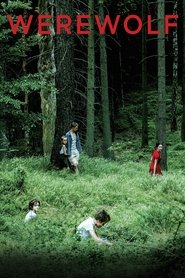
Werewolf
2019
star 6.3Summer of 1945. A temporary orphanage is established in an abandoned palace surrounded by forests for the eight children liberated from the Gross-Rosen camp. Hanka, also a former inmate, becomes their guardian. After the atrocities of the camp, the protagonists slowly begin to regain what is left of their childhood but the horror returns quickly. Camp Alsatians roam the forests around. Released by the SS earlier on, they have gone feral and are starving. Looking for food they besiege the palace. The children are terrified and their camp survival instinct is triggered.