New Documentary Movies on Plex - Page 151
All Services
Free Services
 Netflix
 Amazon Prime Video
 Apple iTunes
 Apple TV Plus
 Disney Plus
 Google Play Movies
 Paramount Plus
 Hulu
Hulu
 HBO Max
 YouTube
 fuboTV
 Peacock
 Peacock Premium
 Amazon Video
 The Roku Channel
 AMC+
AMC on Demand
AMC+
AMC on Demand
 Kocowa
 Hoopla
 The CW
 Vudu
Vudu
 Starz
Starz
 Showtime
 PBS
PBS
 Pantaflix
 FXNow
FXNow
 Tubi TV
 Kanopy
 Comedy Central
 Crunchyroll
 Microsoft Store
 Redbox
 Sun Nxt
 ABC
ABC
 DIRECTV
 Crackle
 Fandor
 Plex
Plex
Netflix
Amazon Prime Video
Apple iTunes
Apple TV Plus
Disney Plus
Google Play Movies
Paramount Plus
Hulu
HBO Max
YouTube
fuboTV
Peacock
Peacock Premium
Amazon Video
The Roku Channel
AMC+
AMC on Demand
Kocowa
Hoopla
The CW
Vudu
Starz
Showtime
PBS
Pantaflix
FXNow
Tubi TV
Kanopy
Comedy Central
Crunchyroll
Microsoft Store
Redbox
Sun Nxt
ABC
DIRECTV
Crackle
Fandor
Plex

Monterey Pop
1968
Monterey Pop
1968
star 7.3Featuring performances by popular artists of the 1960s, this concert film highlights the music of the 1967 California festival. Although not all musicians who performed at the Monterey Pop Festival are on film, some of the notable acts include the Mamas and the Papas, Simon & Garfunkel, Jefferson Airplane, the Who, Otis Redding, and the Jimi Hendrix Experience. Hendrix's post-performance antics -- lighting a guitar on fire, breaking it and tossing a part into the audience -- are captured.Sex and the Law
1968
Sex and the Law
1968
star 4.4A look at what happened when Denmark abolished censorship in the late 1960s.The Wild, Wild World of Jayne Mansfield
1968
star 3.7Jayne takes us on a review of her last world tour. She takes us through Rome, shares a fantasy about Roman athletes, and then is off to Cannes. She takes a trip to the nudist colony on the Isle of Levant, where she almost kind of joins in. Then it's off to Paris, where she gets a beauty treatment from Fernand Aubrey, and attends some racy dance revues. In New York and Los Angeles, she visits some topless clubs and listens to a topless all-girl pop band. The film wraps up with some posthumous footage of her family in mourning.Dont Look Back
1967
Dont Look Back
1967
star 7.4In this wildly entertaining vision of one of the twentieth century’s greatest artists, Bob Dylan is surrounded by teen fans, gets into heated philosophical jousts with journalists, and kicks back with fellow musicians Joan Baez, Donovan, and Alan Price.Last of the American Hoboes
1967
star 3.7Previously lost semi-documentary on the rise and fall of American hobo culture.Buster Keaton Rides Again
1965
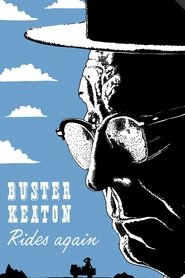
star 7.3In the fall of 1964, just over a year before his death, Buster Keaton traveled to Canada to make The Railrodder, a short subject that now enjoys a small cult following. Documenting this mobile production in fascinating and unexpected detail, Buster Keaton Rides Again offers a rare glimpse of the comedy legend’s temperament, philosophies, hobbies, marriage (his third), and the occasionally combative creative process behind the scenes. An intimate look at one of cinema’s most enduring legends.Espionage Target: You
1964
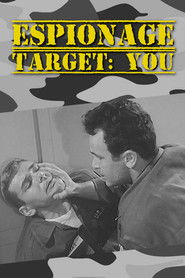
Intended for military personnel and civilians in sensitive positions abroad, the film shows three playlets involving foreign agents maneuvering Americans into passing valuable intelligence to the Soviets or Red Chinese. It emphasizes the need to be wary of seemingly friendly strangers, whether one is in Europe or Japan.David Susskind Archive: Interview With Dr. Martin Luther King Jr
1963
The historic interview that stopped JFK in his tracks...The John Glenn Story
1962
The John Glenn Story
1962
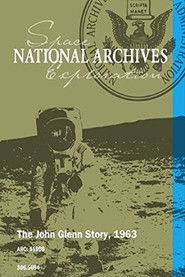
star 5.7John Glenn's first flight ushered in the modern era of space exploration for America. His landmark return to space represented the final chapter of space exploration in the 20th century.Sky Above and Mud Beneath
1961
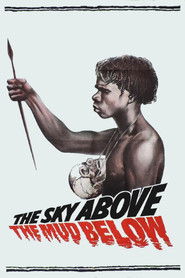
star 5.5In September, 1959, six Europeans leave Cook's Bay on the southern coast of Dutch New Guinea, now West Papua or Irian Jaya, to trek north to the far side of the island. The journey (450 miles, as a crow flies) across unmapped territory took seven months; three Muyu porters died. Near both coasts, the expedition met villagers who invited them to observe rituals and live with them. In the interior, all villagers kept them at bay, and they depended on air lifts from Hollandia for food and supplies. They climbed above 10,000 feet, built 14 bridges, and fought leeches and malaria. The narrator focuses on describing Stone Age savages, headhunters, and cannibals.Jazz on a Summer's Day
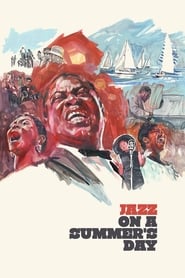
1960
star 7.2Set at the 1958 Newport Jazz Festival, this documentary mixes images of water and the town with performers and audience. The film progresses from day to night and from improvisational music to Gospel. It's a concert film that suggests peace and leisure, jazz at a particular time and place.The James Dean Story
1957
The James Dean Story
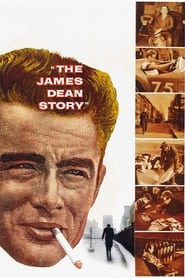
1957
star 5.4Released two years after James Dean's death, this documentary chronicles his short life and career via black-and-white still photographs, interviews with the aunt and uncle who raised him, his paternal grandparents, a New York City cabdriver friend, the owner of his favorite Los Angeles restaurant, outtakes from East of Eden, footage of the opening night of Giant, and Dean's ironic PSA for safe driving.Men Don't Know About It
1957
This is a distinctive example of a documentary film revealing the disparity between the official gender discourse and the social reality of the Polish female.Rhythm and Blues Revue
1955
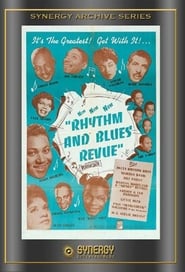
star 6Rhythm and Blues Revue is a plotless variety show, one of several compiled for theatrical exhibition from the made-for-television short films produced by Snader and Studio Telescriptions, with newly-filmed host segments by Willie Bryant. Originally 86 minutes, the "short" version available on public domain collections and websites is missing a reelA Queen Is Crowned
1953
A Queen Is Crowned
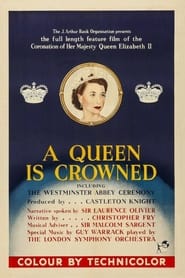
1953
star 7.1A lavish documentary film of Queen Elizabeth II's Coronation in 1953.Triangeldrama
1952
B-Girl Rhapsody
1952
Kon-Tiki
1950
Kon-Tiki
1950
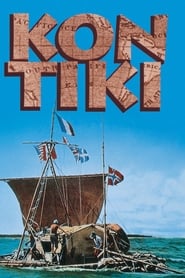
star 7.4"Kon-Tiki" was the name of a wooden raft used by six Scandinavian scientists, led by Thor Heyerdahl, to make a 101-day journey from South America to the Polynesian Islands. The purpose of the expedition was to prove Heyerdal's theory that the Polynesian Islands were populated from the east- specifically Peru- rather than from the west (Asia) as had been the theory for hundreds of years. Heyerdahl made a study of the winds and tides in the Pacific, and by simulating conditions as closely as possible to those he theorized the Peruvians encountered, set out on the voyage.Nazi Concentration Camps
1945
star 7.7Produced and presented as evidence at the Nuremberg war crimes trial of Hermann Göring and twenty other Nazi leaders, this film consists primarily of dead and surviving prisoners and of facilities used to kill and torture during the World War II.