New Documentary Movies on Tub Tv - Page 115
All Services
Free Services
 Netflix
 Amazon Prime Video
 Apple iTunes
 Apple TV Plus
 Disney Plus
 Google Play Movies
 Paramount Plus
 Hulu
Hulu
 HBO Max
 YouTube
 fuboTV
 Peacock
 Peacock Premium
 Amazon Video
 The Roku Channel
 AMC+
AMC on Demand
AMC+
AMC on Demand
 Kocowa
 Hoopla
 The CW
 Vudu
Vudu
 Starz
Starz
 Showtime
 PBS
PBS
 Pantaflix
 FXNow
FXNow
 Tubi TV
 Kanopy
 Comedy Central
 Crunchyroll
 Microsoft Store
 Redbox
 Sun Nxt
 ABC
ABC
 DIRECTV
 Crackle
 Fandor
 Plex
Plex
Netflix
Amazon Prime Video
Apple iTunes
Apple TV Plus
Disney Plus
Google Play Movies
Paramount Plus
Hulu
HBO Max
YouTube
fuboTV
Peacock
Peacock Premium
Amazon Video
The Roku Channel
AMC+
AMC on Demand
Kocowa
Hoopla
The CW
Vudu
Starz
Showtime
PBS
Pantaflix
FXNow
Tubi TV
Kanopy
Comedy Central
Crunchyroll
Microsoft Store
Redbox
Sun Nxt
ABC
DIRECTV
Crackle
Fandor
Plex

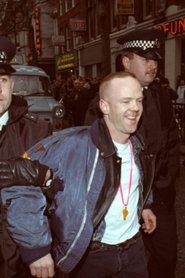
Jimmy Somerville: Queer Rebel of British Pop
2025
With his 1984 hit "Smalltown Boy", Jimmy Somerville hit the bigtime and became the voice of the gay movement in Britain hoping for freedom and equal rights in face of discrimination. As frontman of Bronski Beat then The Communards and finally as a solo artist, he became an icon of the 80s without ever denying his identity.Darkness All Around
2025
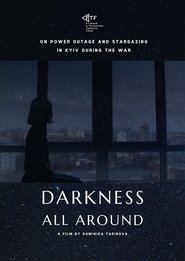
Darkness All Around
2025
During the first winter of the war in Ukraine, Kyiv becomes a city of shadows as the Russian army targets its energy infrastructure.Vidas en la orilla
2025
Vidas en la orilla
2025
20 years after "Mi vida dentro," filmmaker Lucía Gajá revisits Rosa Estela Olvera Jiménez's case, a Mexican migrant accused of killing a minor. The sequel shows how her family and social groups helped restore her unjustly taken freedom.How (Not) to Film a Fascist Monument
2025
In this bold and personal short, filmmaker Lorenz Zenleser reflects on his complicated relationship with the Victory Monument in Bolzano, an imposing fascist structure built in 1928 to mark Italy’s victory over Austria, which is still politically charged and actively appropriated by the far-right. As he sets out to film the monument’s troubled legacy, the camera itself seems to resist: double 8 mm footage begins to glitch and tremble. This formal revolt provides the opportunity to transform a personal inquiry into a haunting meditation on the endurance of fascist symbols in public space, and the difficulty of capturing them without reinforcing their presence.336 hours
2025
336 hours
2025
Through vignettes from a recent trip to India, Harsh reflects on the last twenty years of his life as he attempts to draw a conclusion to his thesis: How long does it take to find yourself?ODAMADO
2025
ODAMADO
2025
A family photo in the garden, a recording of my grandmother singing, a letter I wrote to her a year after her death—200 kB of data stored on a DNA molecule, the hard drive of the future.This is La Boca vs. The Plushterciopelo world
2025
About a collective of artists living together in a boat workshop in La Boca. While working on an exhibition, arguments break out over the work's concept.In honor of Pepe Biondi
2025
Fifty years after his passing, the documentary covers the life of the brilliant Argentine comedian José "Pepe" Biondi, covering the highlights of his artistic journey, from his birth in Barracas to his death. The testimonies collected reveal his talent and humanity, which he always maintained, transforming his childhood hardships into generosity, honesty, and people skills.Gloss Finish
2025
Gloss Finish
2025
Point Zero
2025
Point Zero
2025
Following a great personal tragedy, Aga feels she is now at her zero point. Her previous life ceased to exist in an instant: the past has vanished and the future is impossible to imagine. As, with time, she starts getting back in balance, fate puts her to yet another tough test. Aga’s opportunity for a new beginning might be working with Ukrainian children who have fled to Poland to escape the war. Helping others makes it easier to understand your own problems, but how many times can you start life all over again?Painted Screams
2025
Painted Screams
2025
A feature length documentary on the 1976 film 'The House with Laughing Windows' by Pupi Avati.Emmerhout
2025
Emmerhout
2025
In the 1970s, in Emmen, Drenthe, the visionary neighbourhood Emmerhout was built. It was designed to be a revolutionary experiment, the neighbourhood of the future. Casper, 52, has been living in Emmerhout for more or less his entire life. In this short documentary, he reflects on past, present and future of the neighbourhood, but also of himself.Vanished Past
2025
Vanished Past
2025
A search for the hidden rivers that flow beneath the streets of Montreal, forgotten and buried by the course of urbanization. When heavy rain falls, the waters rise again and flood the streets, reminding the city of its forgotten past.Baghdad Files
2025
Baghdad Files
2025
Even though more than seventy years have passed, the state refuses to open the files of the investigative committees that conducted the question that haunts many: Who threw the grenade at the Shem Tov synagogue? The grenade, thrown in 1951, killed five, wounded about twenty, and is considered the major attack that led to the rapid immigration of most of Iraq's Jews in Operation "Ezra and Nehemiah." For years, a large portion of immigrants believed that the State of Israel was behind the affair, because it wanted to induce the affluent class of Jews to immigrate. But recently, a box of documents and testimonies was found at a university in the United States, intended for the "future researcher of the material," and deals with the question "Who threw the grenade?"54
2025
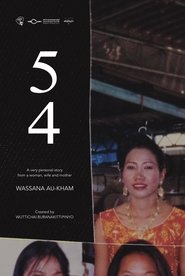
54
2025
Under the Red Light
2025
At the Triangle Intersection
2025
A couple and the husband’s mother have been living away from the town of Namie in Fukushima Prefecture since they were evacuated after the nuclear accident. As they make the decision to build a new house, their feelings as husband and wife, parent and child, and daughter-in-law and mother-in-law intersect. The film depicts their emotional struggle to live as their true selves, amidst elderly caregiving of the elderly and complex family relationships—issues brought to the surface by the disaster.