New Documentary Movies on Tub Tv - Page 155
All Services
Free Services
 Netflix
 Amazon Prime Video
 Apple iTunes
 Apple TV Plus
 Disney Plus
 Google Play Movies
 Paramount Plus
 Hulu
Hulu
 HBO Max
 YouTube
 fuboTV
 Peacock
 Peacock Premium
 Amazon Video
 The Roku Channel
 AMC+
AMC on Demand
AMC+
AMC on Demand
 Kocowa
 Hoopla
 The CW
 Vudu
Vudu
 Starz
Starz
 Showtime
 PBS
PBS
 Pantaflix
 FXNow
FXNow
 Tubi TV
 Kanopy
 Comedy Central
 Crunchyroll
 Microsoft Store
 Redbox
 Sun Nxt
 ABC
ABC
 DIRECTV
 Crackle
 Fandor
 Plex
Plex
Netflix
Amazon Prime Video
Apple iTunes
Apple TV Plus
Disney Plus
Google Play Movies
Paramount Plus
Hulu
HBO Max
YouTube
fuboTV
Peacock
Peacock Premium
Amazon Video
The Roku Channel
AMC+
AMC on Demand
Kocowa
Hoopla
The CW
Vudu
Starz
Showtime
PBS
Pantaflix
FXNow
Tubi TV
Kanopy
Comedy Central
Crunchyroll
Microsoft Store
Redbox
Sun Nxt
ABC
DIRECTV
Crackle
Fandor
Plex

Andrea Bocelli: Because I Believe
2025
Over the last 30 years, with a rare repertoire that encompasses pop, rock, and opera, Andrea Bocelli and his golden voice have touched the hearts of millions of listeners around the world. Using last year’s magisterial concert at the Baths of Caracalla as its anchor, Andrea Bocelli: Because I Believe is an intimate portrait of one of the world’s greatest living singers.Sede de Rio
2025
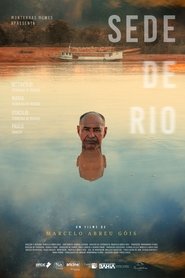
Sede de Rio
2025
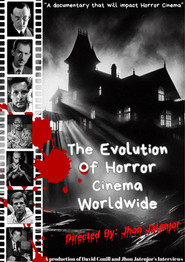
The Evolution of Horror Cinema Worldwide
2025
Why do people no longer see this type of stories nowadays? How can this notion be awakened? Which films should begin to feed back from the past and balance them with the current horror?A Century of Flight
2025
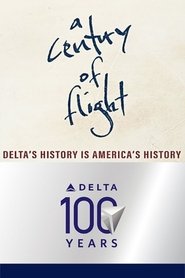
A Century of Flight
2025
star 10An in depth look at the history of Delta Airlines over the last 100 years. See how Delta defied the odds at every step to become one of the world's largest air carriers.Andrew Young: The Dirty Work
2025
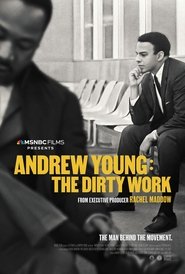
A Civil Rights icon shares his remarkable path from pastor to MLK's ally, congressman, UN Ambassador, and Atlanta mayor, revealing the gritty realities of fighting for social change across decades of American history.A Guided Tour
2025
A Guided Tour
2025
Jaakko strikes first with unpredictable hits before Victor Campillo and the Asics crew come out in full force for a dreamy audio-visual feature by Jacob Harris.Safari
2025
Mein Land will nicht verschwinden
2025
The capitulation of German socialism on November 9, 1989, happened almost incidentally — through a travel law. Thirty-five years after the disappearance of the GDR, this essayistic documentary reflects on transformation through personal memory and public imagery.Trump v the Truth
2025
Madeleine McCann: Searching for the Prime Suspect
2025
In this powerful new documentary, criminologist Dr Graham Hill, a former senior Met detective who was in Portugal during the early stages of the investigation assisting local police, returns to Praia da Luz for the first time. Revisiting the scene of her disappearance, unpicking Brueckner’s criminal history in both Portugal and Germany and meeting those who knew him to build a detailed offender profile, Dr Hill examines the case against the man who remains the prime suspect- and who has consistently denied any involvement in Madeleine McCann’s disappearance.Orain zer?
2025
Orain zer?
2025
Traditionally, women's bodies have been subject to regulation in different areas, becoming regulated and disciplined bodies with the aim of fitting into a specific status, that of woman, in the singular.A Pele do Ouro
2025
A Pele do Ouro
2025
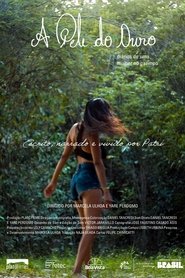
Patri writes, narrates, and acts in "The Skin of Gold," a documentary that draws from her intimate diaries to revisit memories marked by her childhood in Venezuela and the risks taken in the search for the coveted gold in the Brazilian Amazon. In the notebooks she collects along the way, where she writes and draws about her experiences, she reveals the plight of women in the gold mines, where, like the land itself, everything is torn apart and exploited.No Sunshine in Here
2025
No Sunshine in Here
2025
Karoline is a filmmaker, the daughter of a domestic worker, and embarked on a journey across the country to investigate the relationship between the slave quarters and the maid's room.Atravessa Minha Carne
2025
Footage of the creative process of Quasar Dance Company in 2013 in Goiânia for the creation of the show "Por 7 vezes" (Seven Times). The fabrication of those Olympic bodies (the work of high-performance dancers), directed by choreographer Henrique Rodovalho, reenacted the relationship between cinema and dance. Dance, offered to the film since Loie Fuller, is sublime, Apollonian, and Dionysically sacrificed to the ghosts of the image. As a former ballerina, the filmmaker returned to the dance hall and the stage, and what was documented as a process became, in the editing, a non-knowledge.Maré Viva Maré Morta
2025
Maré Viva Maré Morta
2025
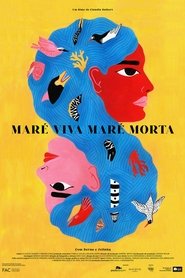
The documentary takes us into the worlds of Berna and Zélia, two women who care for different marine conservation units. Beyond the obvious need to preserve these environments, we delve into their stories, relationships, and daily lives. The changing tides reveal courage, warmth, death, and life. After all, do these places need them, or do they need these places to survive?Saturday October 7
2025
Saturday October 7
2025
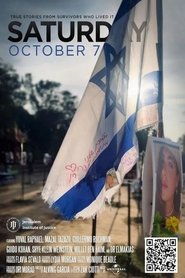
At dawn on October 7, 2023, thousands of Israelis were awakened by a seemingly routine rocket terror attack from Gaza. Within a few hours, their world would change forever. Using personal accounts of the fates of seven survivors, the documentary reconstructs the darkest day in modern Israeli history, when 3,000 Hamas terrorists and their murderous followers invaded civilian communities in southern Israel, stormed an electronic music festival, and killed 1,195 people. Among the contemporary witnesses who speak is Yuval Raphael, a survivor of the Nova Music Festival massacre, who had to hide among corpses in an air raid shelter and, after overcoming the trauma, will represent Israel at the 2025 Eurovision Song Contest with her magnificent singing voice. But Mazal Tazazo, Millet Ben Haim, Hadar Or Elmakias, Guillermo Rochman, Guido Kohan and Shye Weinstein also describe their sad experiences.By Popular Demand, Capelinha is Back!
2025
After a five-year hiatus, the "Capelinha" quadrilha returns to the competitions. Intense rehearsals, pulsating rhythms, and elaborate costumes mark the preparation to reclaim their place in the arenas.All that saves us
2025
All that saves us
2025
Eunbin, charged with protesting at the headquarters of a coal-fired power plant exporter, embarks on a legal battle that becomes a platform to expose the urgency of the climate crisis. In court, she shares firsthand accounts of climate disaster survivors. Her journey takes us to small towns and rural areas ravaged by these disasters, revealing communities fighting to protect their lives through care and solidarity in the face of climate catastrophe. Along the way, an unexpected alliance forms between young Eunbin and an elderly activist whom she met during a coal plant protest. As the fierce battle against climate change continues, Eunbin's case reaches its climax with a Supreme Court verdict.Bolivia Burning
2025
Bolivia Burning
2025
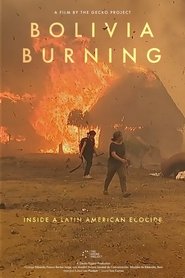
2024 was the worst year on record for the world’s primary tropical forests, and Bolivia lost 1.5 million hectares — more than any country except Brazil. Fires set to clear land for agriculture spiralled out of control, turning swathes of the country into an inferno. Against this backdrop, the film follows investigators from The Gecko Project as they journey through the Chiquitano dry forest in Bolivia’s eastern lowlands — the region most deeply affected by fires and deforestation.