New Documentary Movies on Tub Tv - Page 174
All Services
Free Services
 Netflix
 Amazon Prime Video
 Apple iTunes
 Apple TV Plus
 Disney Plus
 Google Play Movies
 Paramount Plus
 Hulu
Hulu
 HBO Max
 YouTube
 fuboTV
 Peacock
 Peacock Premium
 Amazon Video
 The Roku Channel
 AMC+
AMC on Demand
AMC+
AMC on Demand
 Kocowa
 Hoopla
 The CW
 Vudu
Vudu
 Starz
Starz
 Showtime
 PBS
PBS
 Pantaflix
 FXNow
FXNow
 Tubi TV
 Kanopy
 Comedy Central
 Crunchyroll
 Microsoft Store
 Redbox
 Sun Nxt
 ABC
ABC
 DIRECTV
 Crackle
 Fandor
 Plex
Plex
Netflix
Amazon Prime Video
Apple iTunes
Apple TV Plus
Disney Plus
Google Play Movies
Paramount Plus
Hulu
HBO Max
YouTube
fuboTV
Peacock
Peacock Premium
Amazon Video
The Roku Channel
AMC+
AMC on Demand
Kocowa
Hoopla
The CW
Vudu
Starz
Showtime
PBS
Pantaflix
FXNow
Tubi TV
Kanopy
Comedy Central
Crunchyroll
Microsoft Store
Redbox
Sun Nxt
ABC
DIRECTV
Crackle
Fandor
Plex

The Eyes of Ghana
2025
The Eyes of Ghana
2025
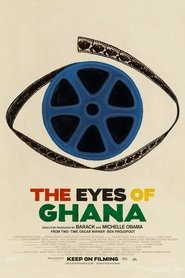
93-year-old documentarian Chris Hesse—personal cinematographer to forgotten African icon Kwame Nkrumah—races against blindness and time to rescue and repatriate a secret trove of over 1,300 films that captured the birth of African independence in the fifties and sixties. Yet unseen by the public, these films may not only rewrite Ghanaian and African history—but world history itself.Newport and the Great Folk Dream
2025
Powerful music leaps from the air and can change the actual world. At the Newport Folk Festivals in the early 1960s, the molecules were electric with rebellion and democracy, with anger and hope. Musicians drove that change — Bob Dylan, Joan Baez and Pete Seeger but also banjo players from coal country, remote Georgia gospel artists, rural Canadian fishermen, and the opportunities created for the urban kids to mingle with those they’d not ordinarily encounter.Boorman and the Devil
2025
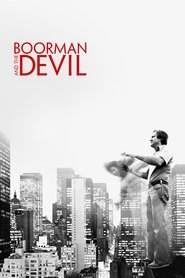
Featuring commentary from surviving participants, as well as other filmmakers and critics, this documentary chronicles the career of director John Boorman and the tumultuous production of his film Exorcist II: The Heretic, exploring its critical and commercial failure, how it changed the industry, and the importance of risk-taking in art.Back Home
2025
Back Home
2025
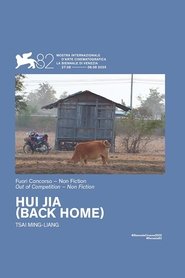
Tsai Ming-liang's new film, Back Home, depicts Anong Houngheuangsy and the daily life of his home village in Laos. We witness buildings in varying states of habitation and disrepair, farm animals, rice fields, religious sites, domestic scenes, a sun-dappled food market, and a dog adorably trying (and failing) to escape a carnival ride.From Bloom to Flame
2025
From Bloom to Flame
2025
A documentary about the culture and winter rituals of the Bulgarians of Ukraine, and how this is affected by Russian military aggression.Cardboard City
2025
Cardboard City
2025
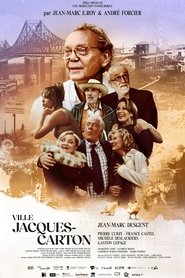
star 7Against the voracious concrete and a ruthless developer, a poet stands tall, the last bulwark against oblivion, like a Gaul defying Caesar. He gathers voices from the past, revives memories, and weaves an ode to Ville Jacques-Cartier's working-class heritage, a haven where hopes and struggles once echoed.Naciente
2025
Naciente
2025
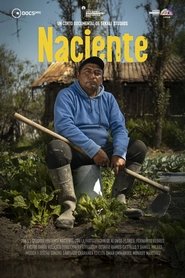
star 10A documentary about the chinampas of Xochimilco, Mexico, where tradition and modernity clash and coexist. Through three contrasting voices, it explores the struggle to preserve tradition in the face of change, as well as the search for new ways to adapt.Old Girl in a Tutu: Susan Rennie Disrupts Art History
2025
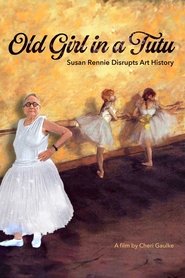
When Susan Rennie retired from academia, she returned to her first love – photography. With humor and wit, Rennie’s photographic interventions offer a feminist critique of the conventional canon of art history, and an unabashed embrace of her elder, queer identity. The results are juicy, eye-opening, and often hilarious.A Moment in the Sun
2025
A Moment in the Sun
2025
As the solar eclipse of 2024 races towards Houlton, Maine - a township of approximately 6,000 people - they must find a way to host 40,000 stargazing strangers the only way they know how: with open arms and open hearts.The American Southwest
2025
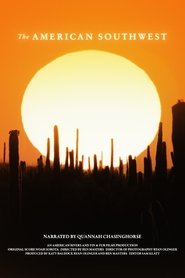
star 9The American Southwest is a feature length blue chip natural history film narrated by indigenous environmentalist Quannah Chasinghorse. The movie journeys down the mighty Colorado River, examining the astonishing beauty and biodiversity of the region, while confronting the environmental destruction from dams and the perilous fate of the river. The story is told through never-before-seen wildlife sequences such as beavers building wetlands, condors recovering from the brink, and the potential return of Jaguars to American soil. The film beautifully advocates for better management of the river and increased wildlife conservation efforts in the iconic landscapes of The American Southwest.Sanatorium
2025
Sanatorium
2025
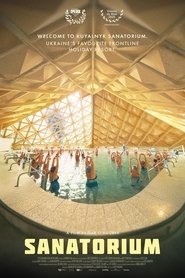
star 7Despite a war raging close by, mud treatments and electroshock therapies continue at Kuyalnik Sanatorium, an enormous 1970s brutalist building on the shores of Odesa, where a small group search for love, healing, and happiness.Scars of a Putsch
2025
Scars of a Putsch
2025
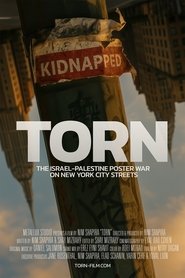
His scars form the starting point of her research trip to track down the young people crushed by the military putsch of September 12th, 1980. The dream of Turkish democracy in pieces, the way to an authoritarian regime and political Islam already paved.Torn: The Israel-Palestine Poster War on New York City Streets
2025
star 8After Hamas kidnapped 251 people from Israel on October 7, and as Israel’s war in Gaza unfolded, a conflict thousands of miles away erupted on New York’s walls. TORN captures the emotional fallout of the now-iconic “KIDNAPPED” poster campaign - a grassroots act of solidarity that quickly became a flashpoint, igniting fierce confrontations between pro-Israel and pro-Palestinian New Yorkers. Through the voices of artists, activists, and hostage families, the film unpacks the motivations behind those putting up and tearing down the posters, exposing a complex proxy war fought in stickers, slogans, and torn paper. By revealing how a distant war fractured daily life in one of the world’s most diverse cities, the film forces a reckoning with identity, free speech, and empathy in an age of polarization.To Close Your Eyes And See Fire
2025
Beirut lies in ruins. After the explosion in the city's port, collective trauma rises to the surface. How can life succeed after such a tragedy? The film carefully observes the following three years and zooms in on the lives of Aya - a Syrian refugee girl, Selim - an activist and painter, the Aladdin family - mourning a tragic loss, Yasmin - picking up calls at a suicide prevention hotline, and Andrea - who still believes in the city's spark for change. Meanwhile, a smoldering fire keeps on lingering in the port’s silos like a cautionary tale. Is it time to leave?Bravo Bene!
2025
Bravo Bene!
2025
star 7.6Filming on Franco Maresco's film about Carmelo Bene is abruptly halted after yet another on-set accident. Producer Andrea Occhipinti pulls the plug, exasperated by the endless takes and repeated delays. Angered, the director simply disappears. Maresco's friend, Umberto Cantone, attempts to mend the rift by calling witnesses from all those involved in the project, in an investigation that offers an opportunity to retrace the personality and ideas of the most corrosive and apocalyptic auteur in Italian cinema.Modern Whore
2025
Modern Whore
2025
A hybrid documentary that reimagines popular depictions of sex work through the lived experiences of writer, performer, and sex worker Andrea Werhun. Andrea grapples with social stigma and reclaims her narrative in a series of funny, heartbreaking, and surprising stories.The Path We Are Leaving
2025
Forest and community guards face insecurity and clandestine logging in their community.Shifting Paths
2025
Shifting Paths
2025
Shifting Paths explores one family's resilience during the 1933 boycott of Jewish businesses in Frankfurt, Germany. This film traces the loss of a family-owned pharmaceutical company and how a once banned chamomile product, Kamillosan, has survived today with few knowing anything of its history.Heart-Swing
2025
Heart-Swing
2025
An elderly woman offers tourists advice on taking selfies at a tourist trap in Georgia.