New Documentary Movies on Tub Tv - Page 358
All Services
Free Services
 Netflix
 Amazon Prime Video
 Apple iTunes
 Apple TV Plus
 Disney Plus
 Google Play Movies
 Paramount Plus
 Hulu
Hulu
 HBO Max
 YouTube
 fuboTV
 Peacock
 Peacock Premium
 Amazon Video
 The Roku Channel
 AMC+
AMC on Demand
AMC+
AMC on Demand
 Kocowa
 Hoopla
 The CW
 Vudu
Vudu
 Starz
Starz
 Showtime
 PBS
PBS
 Pantaflix
 FXNow
FXNow
 Tubi TV
 Kanopy
 Comedy Central
 Crunchyroll
 Microsoft Store
 Redbox
 Sun Nxt
 ABC
ABC
 DIRECTV
 Crackle
 Fandor
 Plex
Plex
Netflix
Amazon Prime Video
Apple iTunes
Apple TV Plus
Disney Plus
Google Play Movies
Paramount Plus
Hulu
HBO Max
YouTube
fuboTV
Peacock
Peacock Premium
Amazon Video
The Roku Channel
AMC+
AMC on Demand
Kocowa
Hoopla
The CW
Vudu
Starz
Showtime
PBS
Pantaflix
FXNow
Tubi TV
Kanopy
Comedy Central
Crunchyroll
Microsoft Store
Redbox
Sun Nxt
ABC
DIRECTV
Crackle
Fandor
Plex

Mighty Monkeys
2025
Mighty Monkeys
2025
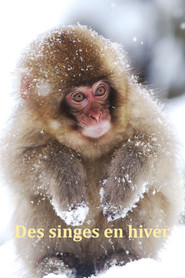
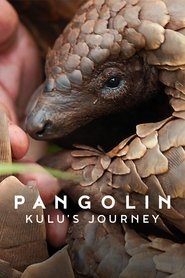
star 8The image of “snow monkeys” submerged in a hot spring as snow falls around them is iconic. These are Japanese macaques, the northernmost population of monkeys in the world. Highly adaptable, they are the only primates to inhabit environments that range from low coastal plains to mountainous areas 3,000 meters above sea level, with temperatures that can drop to -30 degrees Celsius. How is this single species of macaque able to thrive in such widely diverse habitats? Shot in beautiful 4K UHD, the cameras travel through Japan to capture unique monkey groups displaying different localized food habits, including a world-first footage of monkeys catching live fish as well as how such new behaviors spread among individuals in the pack.Pangolin: Kulu's Journey
2025
star 7.5Rescued from poachers, an endangered baby pangolin embarks on a journey back to the wild with help from a devoted human guardian in this documentary.Interlace
2025
I Want to Go Home
2025
I Want to Go Home
2025
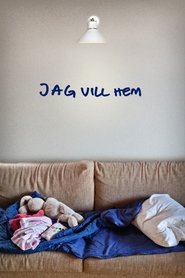
Warehouse manager Claus is evicted from his apartment and ends up on the street. Tsega, a single mother of three, is forced to constantly move around in search of a first-hand rental contract. Homelessness today affects different groups in society, and many of them are children. But how do we solve the problem? We also meet Tanja from the Housing Agency, who is fighting to get the real estate industry to take part of the responsibility.Gátak és emberek
2025
Gátak és emberek
2025
Once Upon a Debutante
2025
Le Bal Paris is the world's most high profile debutante ball and this documentary film marks the first time cameras will be granted access to the annual invitation-only event which brings together international high-profile Gen Z guests in the name of fashion and charity. Since the 18th century, debutante balls have long been a part of tradition and history but in this documentary, viewers will get to see an unfiltered, intimate look at how, why and whether this event has evolved for the modern world.Goodbye Breasts!
2025
Goodbye Breasts!
2025
Following a double mastectomy, Joanna reclaims her body in the most unexpected ways—building a giant inflatable breast, devising song-and-dance routines inspired by post-surgery exercises, and throwing a party to celebrate breasts. Her journey is not just one of physical healing but also a powerful exploration of body acceptance and resilience. Through a blend of self-shot footage, animation, and archival clips, the film brings humour and heart to the sensitive topic of breast cancer recovery. Joanna’s imaginative outlook shines through as she revisits her treatment, reconnects with family, and meets other survivors to share stories. Along the way, she faces the emotional toll of illness, navigates her own transformation, and demonstrates the power of creativity as a tool for survival.Mall Town
2025
Mall Town
2025
The Lloyd Center, a historic mid-century mall in Portland, Oregon on the verge of closing. Dreamers and independent entrepreneurs see the mall’s uncertain future as an opportunity for community and creativity.Atasikun. All Together
2025
A film about attempts to preserve the disappearing language and dance and song culture of the Naukan Eskimos.Future is a Morning
2025
Future is a Morning
2025
In the last 400 years, the Chinese contribution to the world is almost zero, but what about before? The ancient wisdom and extraordinary creativity of the past is the light of the future.The Winter Road
2025
The Winter Road
2025
In the North people call winter roads the “roads of life”. Even today there are many settlements and villages where foodstuffs and fuel can be delivered only in winter. For mining companies working in inaccessible locations, winter is the only time when large equipment can be delivered.Her/Mine
2025
Her/Mine
2025
Traces the life of director Alexandra Shiva’s late mother, Susan, an actress and travel agent, and the daughter of Hollywood mogul Jules C. Stein. As the filmmaker sifts through her mom’s belongings, including a trove of 16mm footage, she pieces together the traces of a childhood shaped by privilege, loss, and longing.Would You Still Love Me if I was a Sticky Frog?
2025
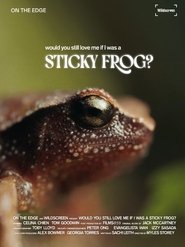
A young couple in a long-distance relationship imagine themselves as three different endangered species - the Cameron Highland Sticky Frog, the Proboscis Monkey, and the Great Hornbill.The World According to Jumping Spiders
2025
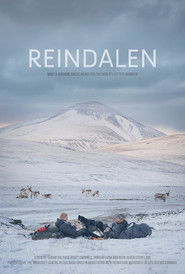
From Aristotle to Galileo, humanity’s greatest thinkers have puzzled over the fundamental nature of color. Yet if one team of researchers is correct, new insights into what color really is – and the ways we and other animals perceive it – might not come from the human mind at all, but from the pinhead-sized brains... of jumping spiders.Reindalen
2025
Reindalen
2025
In the fastest-warming place on Earth, two friends and their canine sidekick uncover how the world's smallest and fattest reindeer are thriving because of rising temperatures. But are they seeing a positive side-effect of climate change in the Arctic, or witnessing the end of innocence for Svalbard reindeer?Moon Crab
2025
Moon Crab
2025
Moon Crab is a meditation on the horseshoe crab, one of Earth's oldest living species now struggling with extreme population decline. Blending reflections on nature's cycles with experimental visuals, the film employs an array of techniques, including eco-processed film developed with seaweed, to immerse the viewer in the crab's subaquatic world. Narrated with intimate depth by physiologist Dr. Abner Lall, the filmmaker’s neighbor, this documentary captures a timeless story of resilience and fragility, urging us to reconsider our connection to the natural world.aRTIFICiAL PLANET
2025
aRTIFICiAL PLANET
2025
Recent advances in artificial intelligence technology could soon give way to films produced entirely by AI. What might that mean for the wildlife documentary film industry?The Last Mermaids of Korea
2025
The phenomenally resilient sea women of Marado Island, at the southernmost tip of South Korea, are like no one else on the planet. Six women aged in their 40s, 60s, 80s and 90s have lately been joined by a solitary young male diver, Min-Jong. Most of the women are well beyond 60. They may stumble walking on land, but underwater, they are transformed into graceful swimmers who haul in twice their bodyweight in seafood every day. These are Korea’s traditional Haenyeo: female divers who hold their breath for more than two minutes to depths of up to 20 meters. They make their livelihood combing the seabed for culinary treasures for restaurants in Korea and Japan: kelp, sea cucumbers, conchs, and, most prized of all, abalone.