New History Movies on Tub Tv - Page 412
All Services
Free Services
 Netflix
 Amazon Prime Video
 Apple iTunes
 Apple TV Plus
 Disney Plus
 Google Play Movies
 Paramount Plus
 Hulu
Hulu
 HBO Max
 YouTube
 fuboTV
 Peacock
 Peacock Premium
 Amazon Video
 The Roku Channel
 AMC+
AMC on Demand
AMC+
AMC on Demand
 Kocowa
 Hoopla
 The CW
 Vudu
Vudu
 Starz
Starz
 Showtime
 PBS
PBS
 Pantaflix
 FXNow
FXNow
 Tubi TV
 Kanopy
 Comedy Central
 Crunchyroll
 Microsoft Store
 Redbox
 Sun Nxt
 ABC
ABC
 DIRECTV
 Crackle
 Fandor
 Plex
Plex
Netflix
Amazon Prime Video
Apple iTunes
Apple TV Plus
Disney Plus
Google Play Movies
Paramount Plus
Hulu
HBO Max
YouTube
fuboTV
Peacock
Peacock Premium
Amazon Video
The Roku Channel
AMC+
AMC on Demand
Kocowa
Hoopla
The CW
Vudu
Starz
Showtime
PBS
Pantaflix
FXNow
Tubi TV
Kanopy
Comedy Central
Crunchyroll
Microsoft Store
Redbox
Sun Nxt
ABC
DIRECTV
Crackle
Fandor
Plex

Autopsy on a Dream
2013
Autopsy on a Dream
2013
star 7.5In 1968, John Weiley shot 'Autopsy on a Dream' - a film about the Sydney Opera House detailing its construction process and the politics of Jorn Utzon's dismissal. Weiley's film was controversial; it was screened once and then he was told it had been destroyed. Forty five years later a copy was discovered in the BBC vaults by an ABC producer looking for archive footage of the Opera House. Weiley was contacted and told about a film that had no sound track. Weiley was overjoyed; for years he had kept the original sound. So began the painstaking process of restoring this record of a unique moment in Australian culture to its former glory, complete with updated voice-over from the original narrator, Bob Ellis. It is set in context by a 30 minute prologue entitled 'The Dream of Perfection'. Made by the same filmmaker, John Weiley, forty-five years on, 'Dream of Perfection' tells the story of the 1968 film - from commission to destruction, to surprise resurrection.Bushido
2013
Bushido
2013
star 7.21732, in the era of Yoshimune Tokugawa. West Japan suffers from a severe famine. Three years after wards, it appeared as though calm had been restored to the domain, but there is word that Jyuzo Matsumiya, the sword fighting instructor sent by the shogunate, is taking some suspicious actions.Beatriz's War
2013
Beatriz's War
2013
star 5.3Beatriz’s young husband disappears during the brutal Kraras massacre by occupying Indonesian forces, sixteen years later she is troubled by his return; is this mysterious stranger her husband, an impostor, or a spirit?Embassy
2013
Embassy
2013
star 5.2Young couple living in the old house suddenly discover an elevator which takes them directly to year 1939.12 Years a Slave
2013
12 Years a Slave
2013
star 7.9In the pre-Civil War United States, Solomon Northup, a free black man from upstate New York, is abducted and sold into slavery. Facing cruelty as well as unexpected kindnesses Solomon struggles not only to stay alive, but to retain his dignity. In the twelfth year of his unforgettable odyssey, Solomon’s chance meeting with a Canadian abolitionist will forever alter his life.Jeevan Smriti
2013
Jeevan Smriti
2013
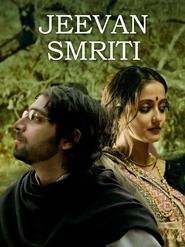
A cinematic journey that sees Rabindranath Tagore as an ever restless seeker. It brings Tagore alive as a flesh and blood person whom the average Indian can relate to as a man of all seasons, of all times.Schooled: The Price of College Sports
2013
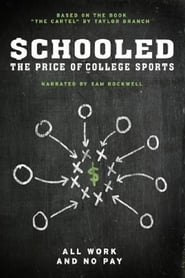
star 7.5Schooled: The Price of College Sports is a comprehensive look at the business, history and culture of big-time college football and basketball in America. It is an adaptation of “The Cartel” by Pulitzer Prize Winning civil rights scholar Taylor Branch, and his October 2011 article in The Atlantic, “The Shame of College Sports.” Schooled presents a hard-hitting examination of the NCAA’s treatment of its athletes and amateurism in collegiate athletics; weaving interviews, archival and verité footage to tell a story of how college sports became a billion dollar industry built on the backs of athletes who are deprived of numerous rights.The Poem of Love and Revolution ~Andrea Chénier~
2013
star 10This is the story of a poet who lived at the time of the French Revolution. The poet's name was Andrea Chénier. He lived and died amongst love and bloodshed. The numerous words of truth spun by this revolutionary poet became poems for eternity. Even today, they continue to shine light on the hopes that rest in people's hearts. The tidal wave of the times, when everyone believes that the ideal kind of society has arrived, will in time move in the wrong direction. Ironically, Andrea and Maddalena will be joined together by a thing called love. Idealism, which has been pushed to the forefront of reality, is toying with Gérard's life. Before long, a raging torrent that provides an omen of the tragedy to come will overwhelm all three of them.Neighbor
2013
Neighbor
2013
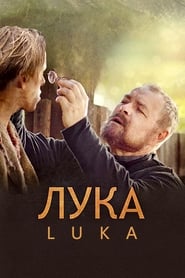
After wars, many people do not see their neighbors ever again. In Cyprus, this has become associated with a local custom of leaving flowers at the door of neighbors and loved ones when they were unable to find them at home.Luka
2013
Luka
2013
star 5.7Year 1917. Young doctor Valentin Voyno-Yasenetskyj with his wife and four children moved to Tashkent, beset by civil war and intervention. Voyno-Yasenetskyj became head physician in the city hospital. He not only saves hundreds of patients every day, operating under the bullets of the permanent street battles, fighting for his life and life of his beloved wife, dying of TB. In the midst of persecution, he as alone with four children on the outskirts of the former empire, so he decides to become a priest. And since then, he never altered neither scalpel, nor cross, he goes with them through all their hard exiles and arduous life, treating both: body and soul.Prologue to the Great Desaparecido
2013
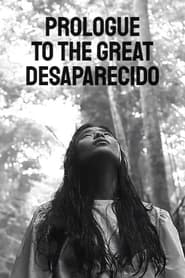
star 6.2Andrés Bonifacio, the freedom fighter known as the father of the Philippine revolution, was executed by rival revolutionaries in 1897. His wife, Gregoria de Jesus, searched for his body in the mountains for 30 days. It was never found.The Inventor of Dreams
2013
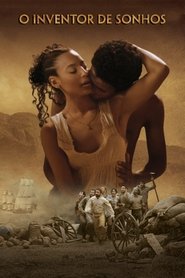
Centered on two young boys, an aristocrat and a native, chronicles the period in which Brazil went from colony to the center of the Portuguese Empire.El rey de Canfranc
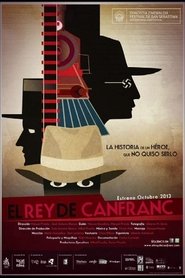
2013
El rey de Canfranc
2013
"El rey de Canfranc" is a documentary directed by Jose Antonio Gonzalez Blanco and Manuel Priede which tells the story of Alber le Lay, head of customs at the French border in the Aragonese Pyrenees, headquartered in Canfranc railway station. During World War II, he remained Lay a spy network from the station that allowed the escape of refugees and Jewish families as well as the passage of supplies to areas under the yoke of the Vichy regime. His collaboration with the French Resistance he acted, on more than one occasion, death.Redemption
2013
Redemption
2013
star 7.1On January 21, 1975, in a village in the north of Portugal, a child writes to his parents who are in Angola to tell them how sad Portugal is. On July 13, 2011, in Milan, an old man remembers his first love. On May 6, 2012, in Paris, a man tells his baby daughter that he will never be a real father. During a wedding ceremony on September 3, 1977 in Leipzig, the bride battles against a Wagner opera that she can’t get out of her head. But where and when have these four poor devils begun searching for redemption?Mondo Sacramento 2
2013
Mondo Sacramento 2
2013
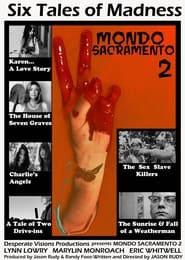
star 1Mondo Sacramento 2 features 6 true tales from Sacramento's seedy underground. Mondo Sacramento 2 is a film that is part true crime reenactment/Mondo film/Docudrama, all filmed in Sacramento at many of the actual locations. Lynn Lowry stars as Dorothea Puente- The boarding house killer. The other 5 stories feature the Gallego couple killings, the Karen G. story, The attempted assassination of President Ford, along with 2 more strange tales. Mondo Sacramento 2 is the sequel to Mondo Sacramento. All Crazy and all based on true stories.Einzelkämpfer
2013
Einzelkämpfer
2013
In the film, the director examines the understanding of sport and the performance requirements in the German Democratic Republic. Among others, she interviewed four important athletes who took part in various world championships and Olympic Games for the GDR. Director Kaudelka sheds light on the glorious and at times arduous path of the protagonists in the GDR and how their lives changed after the fall of the Wall.True Tales
2013
True Tales
2013
Just two days after Lee Harvey Oswald's assassination of President John F Kennedy, Oswald himself is murdered on live television by a little-known Dallas strip club operator named Jack Ruby. Why did he do it? Despite decades of theories and speculation, the question has never been satisfactorily answered. Until now. Shunning the press for nearly 50 years, Tammi True - a top-billed stripper in Jack Ruby's Carousel Club - is finally ready to real the answers. AMS Pictures presents True Tales, an original docudrama exploring the bizarre world of 1960's Dallas burlesque through the eyes of its preeminent entertainer. Featuring dramatic re-creations shot at actual locations, True Tales immerses you into the events that led to one of the most infamous crimes of the 20th century.Medieval Lives: Birth, Marriage, Death
2013
In Medieval Lives: Birth, Marriage, Death, historian and author Dr. Helen Castor (She-Wolves: England's Early Queens) examines how the people of the Middle Ages handled three of life's great rites of passage birth, marriage, and death. Why were physicians of no help to women enduring the pains of labor and the dangers of childbirth? Why were newly married couples "put to bed" by the priest on their wedding night? What did it mean to "die well" and why was death such a communal affair, both before and after it happened?