New History Movies on Tub Tv - Page 414
All Services
Free Services
 Netflix
 Amazon Prime Video
 Apple iTunes
 Apple TV Plus
 Disney Plus
 Google Play Movies
 Paramount Plus
 Hulu
Hulu
 HBO Max
 YouTube
 fuboTV
 Peacock
 Peacock Premium
 Amazon Video
 The Roku Channel
 AMC+
AMC on Demand
AMC+
AMC on Demand
 Kocowa
 Hoopla
 The CW
 Vudu
Vudu
 Starz
Starz
 Showtime
 PBS
PBS
 Pantaflix
 FXNow
FXNow
 Tubi TV
 Kanopy
 Comedy Central
 Crunchyroll
 Microsoft Store
 Redbox
 Sun Nxt
 ABC
ABC
 DIRECTV
 Crackle
 Fandor
 Plex
Plex
Netflix
Amazon Prime Video
Apple iTunes
Apple TV Plus
Disney Plus
Google Play Movies
Paramount Plus
Hulu
HBO Max
YouTube
fuboTV
Peacock
Peacock Premium
Amazon Video
The Roku Channel
AMC+
AMC on Demand
Kocowa
Hoopla
The CW
Vudu
Starz
Showtime
PBS
Pantaflix
FXNow
Tubi TV
Kanopy
Comedy Central
Crunchyroll
Microsoft Store
Redbox
Sun Nxt
ABC
DIRECTV
Crackle
Fandor
Plex

A Short History of the Highrise
2013
“A Short History of the Highrise” is an interactive documentary that explores the 2,500-year global history of vertical living and issues of social equality in an increasingly urbanized world. The centerpiece of the project is four short films. The first three (“Mud,” “Concrete” and “Glass”) draw on The New York Times's extraordinary visual archives, a repository of millions of photographs that have largely been unseen in decades. Each film is intended to evoke a chapter in a storybook, with rhyming narration and photographs brought to life with intricate animation. The fourth chapter (“Home”) comprises images submitted by the public. The interactive experience incorporates the films and, like a visual accordion, allows viewers to dig deeper into the project’s themes with additional archival materials, text and microgames.Shoulders To Stand On
2013
star 9An in depth look at Rochester, New York's LGBTQIA+ history. The documentary condenses over 375 hours of interviews and more than 100 participants into a 90 minute film to bring you through the journey of these men and women. It covers the first efforts at organizing in the 1970s, political funding battles and the contributions gay Rochesterians made at the outset of the AIDS crisis.Banklady
2013
Banklady
2013
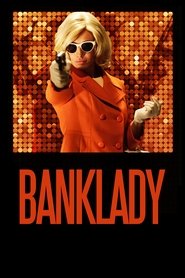
star 5.9Banklady tells the true story of Gisela Werler, a law-abiding factory worker from Hamburg, who falls in love with a thief and becomes a media darling as Germany’s first and most notorious female bank robber. Cunning, sexy, and exciting, Gisela and her beloved Hermann pull off one daring heist after another. Banklady follows this outlaw who captured Germany’s imagination, boldly defying gender expectations and living a decades-long Bonnie and Clyde romance.The Path Covered in Roses
2013
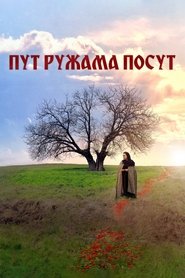
Life path of Serbian princess Olivera, youngest daughter of King Lazar and Queen Milica, which is given as a peace offer to Sultan Bajazit's harem.Into Thin Air
2013
Into Thin Air
2013
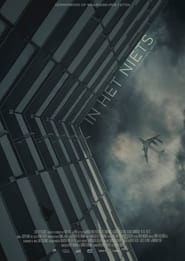
star 61992: The undocumented Ghanaian Agymah (50) lives a secluded life as a cook in the outskirts of Amsterdam. When the ambitious dreamer Nina (12) arrives, Agymah is effectively forced to become her guardian. Nina drives Agymah crazy with her callous way of life and her eagerness to make contact with the outside world. Gradually, though, Agymah comes to understand that this is exactly what he has been escaping from and he realizes he must choose for life instead of waiting for death. When El Al flight 1862 crashes into their building, Agymah goes on a desperate search for the girl that gave him a reason to live. Into Thin Air is the first film based on the Bijlmer crash. It tells a human story of an event that has been branded into the collective memory of The Netherlands. Officially there were 43 fatalities, but because of the large number of illegal residents the actual figure will never be known.Time and the Wind
2013
Time and the Wind
2013
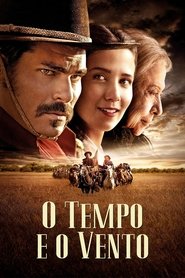
star 7.1Based on Érico Verissimo's literary trilogy, Time and the Wind follows 150 years of the Terra Cambará family and their opponents, the Amaral family. The struggles between the two families begin in the missions and lasts until the end of the 19th century. The film also features the period of formation of the state of Rio Grande do Sul and the dispute of territory between the Portuguese and Spanish crowns.Feeling Lucky?
2013
Feeling Lucky?
2013
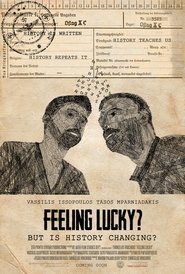
A short fiction-documentary film set during WWII after the Massacre of Chortiatis . Two men are heading to their execution by the Nazis, who are leading them to a path in which their lives and choices collide. This is a part of History, but what has actually changed since then.He Ain't Heavy: Pledging Underground
2013
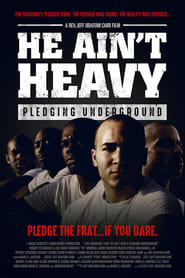
In the Spring of 2011, five young College Students began the pledge process for a prestigious African-American Fraternity. A Graduate Film Student and fraternity member captured their journey on video as part of an academic documentary that was never meant to be shared outside of the fraternity. Weeks into the process, an early morning 911 call led Police to a high school football field, where they discovered the body of one of the Pledges. Months later, the damning footage from video cameras, cell phones and campus security cameras found its way to Director Rev. jeff obafemi carr, who amalgamated it into the explosive movie titled He Ain't Heavy.The Pedway: Elevating London
2013
A documentary on the post-war redevelopment in the City of London — focusing on the attempt to build an ambitious network of elevated walkways through the city. Featuring interviews with professor of town planning Michael Hebbert (UCL), architecture critic Jonathan Glancey, city planning officer Peter Wynne Rees and writer Nicholas Rudd-Jones (Pathways), the film explores why the 'Pedway' scheme was unsuccessful and captures the abandoned remains that, unknown to the public, still haunt the square mile.The Paw Project
2013
The Paw Project
2013
star 8.7This is a David and Goliath story of one veterinarian's battle to protect her patients (tigers, lions and even house cats) from big corporations, with their big corporate money, that will shamelessly do anything to animals to increase their bottom line. She starts a grassroots movement that is fueled by passion, but appears to be losing the battle. Then, unexpectedly, she realizes that the corporations accidentally left her a giant loophole. In a scramble to take advantage of this unforeseen gift, she leads the crusade passing legislation protecting animals from de-clawing in seven cities in just six weeks.My Family Tree
2013
My Family Tree
2013
A unique, engaging film that combines documentary footage with narrative cinema to tell the story of four generations of a Latvian family. Sixteen year-old student Jānis has been given an interesting homework assignment – to draw his family tree and explain it. The story of his family begins with his great-great-grandfather who burned down the manors of German landowners during the 1905 revolution. My Family Tree takes us on a journey to various countries and political regimes, showing Jānis’ ancestors to be people of diverse fates and life stories. A rich Latvian trader, a red rifleman loyal to Lenin, a carpenter with the KGB and war refugees in Sweden are only a few branches on his family tree, and the boy has heard something unusual and unforgettable about each and every one of these people.The Price of Sugar
2013
The Price of Sugar
2013
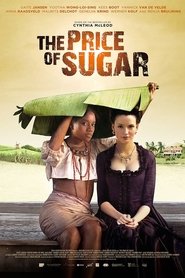
star 6.1A story about two half-sisters life in the eighteenth century Suriname. There is Lynda, a white colonial and slave owner, and her slave Mini-Mini's. While Lynda is slowly embittered by the hard life in the colony, Mini-Mini gets a chance at her own happiness. The question is, if she dares to seize that chance, as this happiness is at the expense of her mistress and half sister?Wałesa: Man of Hope
2013
Wałesa: Man of Hope
2013
star 5.7How was it possible that a single man influenced contemporary world so significantly? This film is an attempt to capture the phenomenon of a common man’s metamorphosis into a charismatic leader — an attempt to see how a Gdansk shipyard electrician fighting for workers’ rights awakened a hidden desire for freedom in millions of people.37
2013
37
2013
star 1March 27th, 1964. The New York Times published an article headlined '37 Who Saw Murder Didn't Call the Police.' For more than half an hour, 37 law abiding citizens in Queens watched their neighbor, Kitty Genovese, being brutally killed outside their apartment building. Florel and Jack Bernstein were among those bystanders. A shirt film.Amorous Pancho Villa
2013
Amorous Pancho Villa
2013
star 5The assassination of Pancho Villa, on the outskirts of Parral, Chihuahua, plunged the city into mourning, and a wake for the revolutionary hero was held by his closest collaborators. Conspicuous among the mourners were the four women with whom Villa was having intimate relationships at the time of his death. Now that Villa is no longer around to mediate and keep them apart, tensions between the women grow and intensify, with unexpected consequences. An intimate and human portrait of the Centaur of the North.The View from Our House
2013
Based in part on the memories, unsent letters and notebooks of a young photographer who lived in Berlin-Tempelhof. Aspects of her life are mapped out within this small area of Berlin through a succession of haunted images and sounds that imbue place with a sense of memory and history.I'll be back
2013
I'll be back
2013
Former Chilean political refugee, Porfirio, blind since an accident related to his commitment, returns to Chile for the first time after 30 years of exile in France. Filmed by his niece and guided by his daughter, he goes, hoping to find confirmation in his life-choices. Anne & Alet
2013
Anne & Alet
2013
star 6A docudrama about the sisters Anne & Alet who killed several women with poison in the late 18th century. They were finally caught and judged to death by beheading.The Future
2013
The Future
2013
star 4.6Back to the Future, Spain 1982: at a euphoric party, young people celebrate the election victory of the Socialist Party. López Carrasco stages the past with stunning precision and shows the future as a surprising result: well, the present.