New Documentary Movies on Tubi TV - Page 371
All Services
Free Services
 Netflix
 Amazon Prime Video
 Apple iTunes
 Apple TV Plus
 Disney Plus
 Google Play Movies
 Paramount Plus
 Hulu
Hulu
 HBO Max
 YouTube
 fuboTV
 Peacock
 Peacock Premium
 Amazon Video
 The Roku Channel
 AMC+
AMC on Demand
AMC+
AMC on Demand
 Kocowa
 Hoopla
 The CW
 Vudu
Vudu
 Starz
Starz
 Showtime
 PBS
PBS
 Pantaflix
 FXNow
FXNow
 Tubi TV
 Kanopy
 Comedy Central
 Crunchyroll
 Microsoft Store
 Redbox
 Sun Nxt
 ABC
ABC
 DIRECTV
 Crackle
 Fandor
 Plex
Plex
Netflix
Amazon Prime Video
Apple iTunes
Apple TV Plus
Disney Plus
Google Play Movies
Paramount Plus
Hulu
HBO Max
YouTube
fuboTV
Peacock
Peacock Premium
Amazon Video
The Roku Channel
AMC+
AMC on Demand
Kocowa
Hoopla
The CW
Vudu
Starz
Showtime
PBS
Pantaflix
FXNow
Tubi TV
Kanopy
Comedy Central
Crunchyroll
Microsoft Store
Redbox
Sun Nxt
ABC
DIRECTV
Crackle
Fandor
Plex

One Day in September
1999
One Day in September
1999
star 7.3The full story of the 1972 Munich Olympics Massacre and the Israeli revenge operation 'Wrath of God.' The 1972 Munich Olympics were interrupted by Palestinian terrorists taking Israeli athletes hostage. Besides footage taken at the time, we see interviews with the surviving terrorist, Jamal Al Gashey, and various officials detailing exactly how the police, lacking an anti-terrorist squad and turning down help from the Israelis, botched the operation.Classic Albums: The Who - Who's Next
1999
star 7.1In this 1999 documentary, Pete Townshend, Roger Daltrey and John Entwistle discuss the making of what many consider the Who's greatest testament to Townshend's songwriting talent: their classic album "Who's Next." Others close to the group weigh in with insights about the late Keith Moon's importance to the band. The retrospective also features unseen performances of tunes from the platter, including "Won't Get Fooled Again" and "Baba O'Riley."Classic Albums: Steely Dan - Aja
1999
star 6.5Aja was the biggest selling album of Steely Dan's illustrious career. It was the first album by Donald Fagen and Walter Becker as a duo. Fagen and Becker recall the history of the album, along with Peg, Deacon Blues and Josie. Michael McDonald, later of the Doobie Brothers did guest backing vocals on Aja, the late British musician Ian Dury, record producer Gary Katz and the legendary session musicians who worked on Aja also contribute. This is a vivd portrait of a 70's record that is still as fresh and as memorable more than two decades after its release.Sasquatch Odyssey: The Hunt for Bigfoot
1999
star 9The four grand old men of “Bigfoot Hunting” and their often humorous yet determined forty-year quest to find the Big Hairy legend of North America.Eric Clapton: Standing at the Crossroads
1999
star 7Eric Clapton is one of the most influential guitarists of all time. He ranked 2nd in Rolling Stone magazines list of the "100 Greatest Guitarists of All Time" and 4th in Gibson's "Top 50 Guitarists of All Time". In this documentary feature he is interviewed in depth with contributions from Keith Richards, John Mayall, The Yardbirds, Jack Bruce and many more. It is the definitive Clapton biography.We are Traffic!
1999
We are Traffic!
1999
The film chronicles the history and development of "Critical Mass", the leaderless, grassroots bicycle movement from its 1992 beginnings in San Francisco to its spread across the globe to over 200 cities in 14 countries. With traffic congestion, pollution, and road rage on the rise, cyclists are advocating for transportation alternatives. Critical Mass is at the cutting edge of this mindset.The Gods of Times Square
1999
star 10Long before New York Mayor Rudy Giuliani launched his campaign to clean up the city, Times Square was the stage for a slew of religious zealots and fanatics, all preaching their brand of fire and brimstone to anyone who would listen. Filmed between 1993 and 1998, Richard Sandler's documentary gives viewers a glimpse into the not-so-distant past, when 42nd Street was the shared pulpit of the most colorful assortment of ministry imaginable.The Cosmonaut Cover-Up
1999
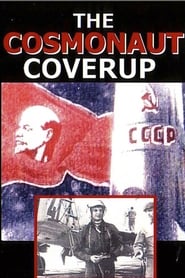
It turns out Yuri Gagarin was not the first man in space, but was preceded by another Soviet cosmonaut who crash landed, was severely injured and his identity kept secret -- until now.Genghis Blues
1999
Genghis Blues
1999
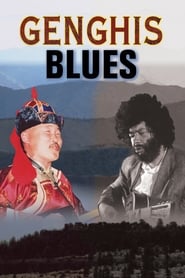
star 6.9Blind blues musician Paul Pena is perhaps best known for his song "Jet Airliner". In 1993, Pena heard Tuvan throat singing over his shortwave radio and subsequently taught himself how to reproduce these extraordinary sounds. This documentary follows him to Tuva, where he takes part in a throat singing competition. Languages featured in the film include English, Russian and Tuvan.Television Under the Swastika
1999
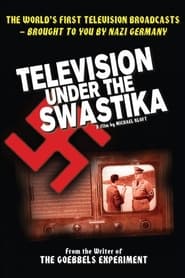
star 6.8A history of Nazi television programming and technology, from 1935 to 1944.Buena Vista Social Club
1999
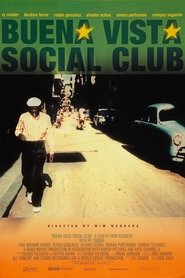
star 7.5In this fascinating Oscar-nominated documentary, American guitarist Ry Cooder brings together a group of legendary Cuban folk musicians (some in their 90s) to record a Grammy-winning CD in their native city of Havana. The result is a spectacular compilation of concert footage from the group's gigs in Amsterdam and New York City's famed Carnegie Hall, with director Wim Wenders capturing not only the music -- but also the musicians' life stories.My Best Fiend
1999
My Best Fiend
1999
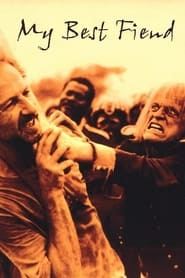
star 7.3A film that describes the love-hate relationship between Werner Herzog and Klaus Kinski, the deep trust between the director and the actor, and their independently and simultaneously hatched plans to murder one another.The Secrets of the Dead Sea Scrolls
1999
Even as scientists work diligently to authenticate the Dead Sea Scrolls, a historical and momentous find for archaeologists, questions surface about their true origin. Who wrote them? Did they truly know Jesus? And what do the scrolls mean for modern-day Christianity? This riveting documentary aims to find the answers to these and many other questions and shares new information about this important archaeological artifact.Sam Kinison: Why Did We Laugh?
1999
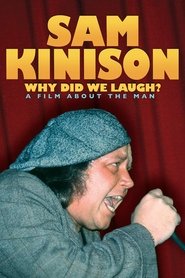
star 6For fans of comedy, Sam Kinison needs no introduction. His scathing comedy tackled tough topics no other comedian dared to touch. Fed up and disenfranchised with his career as a Pentacostal preacher, Sam left the ministry to try his hand at comedy. Almost immediately, and thanks in part to the foresight of Rodney Dangerfield who showcased Sam on an HBO special, his piercing scream, extreme humor and irreverent take on life attracted attention. Containing rare, early footage of Sam preaching and performing stand up at the world famous Comedy Store, the Award Winning "Why Did We Laugh" tells the story of a comedic genius who touched a deeper chord in people than most entertainers. Sadly, Sam was taken from us far too early, yet leaving us with a lasting and unique legacy.Alan Ladd: The True Quiet Man
1999
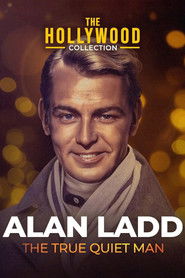
star 7In the 1942 film "This Gun For Hire," he was only a supporting actor. But his portrayal of a cold, ruthless killer with a core of gentle sadness had an impact on audiences everywhere. Teamed with diminutive Veronica Lake, he became an immediately saleable commodity, and in the process helped launch the age of film noir. By 1954, Photoplay Magazine voted him the world's most popular male film star; his fellow award-winner was Marilyn Monroe. But Alan Ladd's fabulous success already contained within it the mechanism to self-destruct.Instrument
1999
Instrument
1999
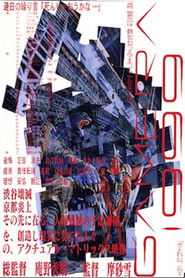
star 6.9The band Fugazi is documented over a period of more than ten years (1987-1998) through performance footage and interviews with the band and their fans. Director Jem Cohen's relationship with band member Ian MacKaye extends back to the 1970s when the two met in high school in Washington, D.C.. The film takes its title from the Fugazi song of the same name, from their 1993 album, In on the Kill Taker. Editing of the film was done by both Cohen and the members of the band over the course of five years. It was shot from 1987 through 1998 on super 8, 16mm and video and is composed mainly of footage of concerts, interviews with the band members, practices, tours and time spent in the studio recording their 1995 album, Red Medicine. The film also includes portraits of fans as well as interviews with them at various Fugazi shows around the United States throughout the years.GAMERA 1999
1999
GAMERA 1999
1999
star 6Hideaki Anno's documentary about the making of Shusuke Kaneko's Gamera 3: Revenge of Iris. From concept to film, the documentary is a video diary of the film's production.Wallowitch & Ross: This Moment
1999
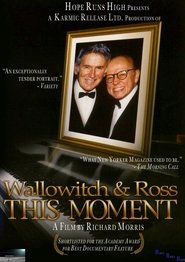
star 2.7Documentarian Richard Morris examines both the onstage and offstage lives of veteran cabaret entertainers John Wallowitch and Bertram Ross. Since 1984, Wallowitch and Ross have been a performing duo, entertaining nightclub audiences with such acid-tongued musical parodies as "If You Don't Love Me, I'll Kill Myself -- Or Maybe I'll Kill You" and "Don't Do To Me What Woody Did To Mia." Wallowitch and Ross have also been lovers for 30 years, who met while while both were active in the New York creative community; Ross spent close to three decades as a dancer with the Martha Graham company and Wallowitch is a Julliard-trained pianist and songwriter with over 1,000 compositions to his credit. Morris exmines Wallowitch and Ross both as artists and members of the gay community without patronizing or exploiting them in the process.Hollywood Rocks 'n' Rolls in the '50s
1999
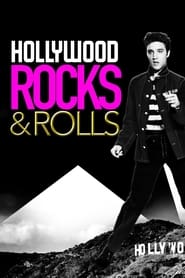
Journeying through the history of rock 'n' roll as it electrified the Golden Age of Hollywood.Speaking in Strings
1999
Speaking in Strings
1999
star 5.7This real-life documentary explores the passionate & energetic presence of renowned Italian violinist Nadja Salerno-Sonnenberg (she moved to the Unites States at the age of eight to study at The Curtis Institute of Music and later studied with Dorothy DeLay at The Julliard School.) The film focuses on her professional life, starting in 1981, when she burst onto the classical music scene as the youngest (at 17) recipient ever of the Walter W. Naumburg International Violin Competition.